




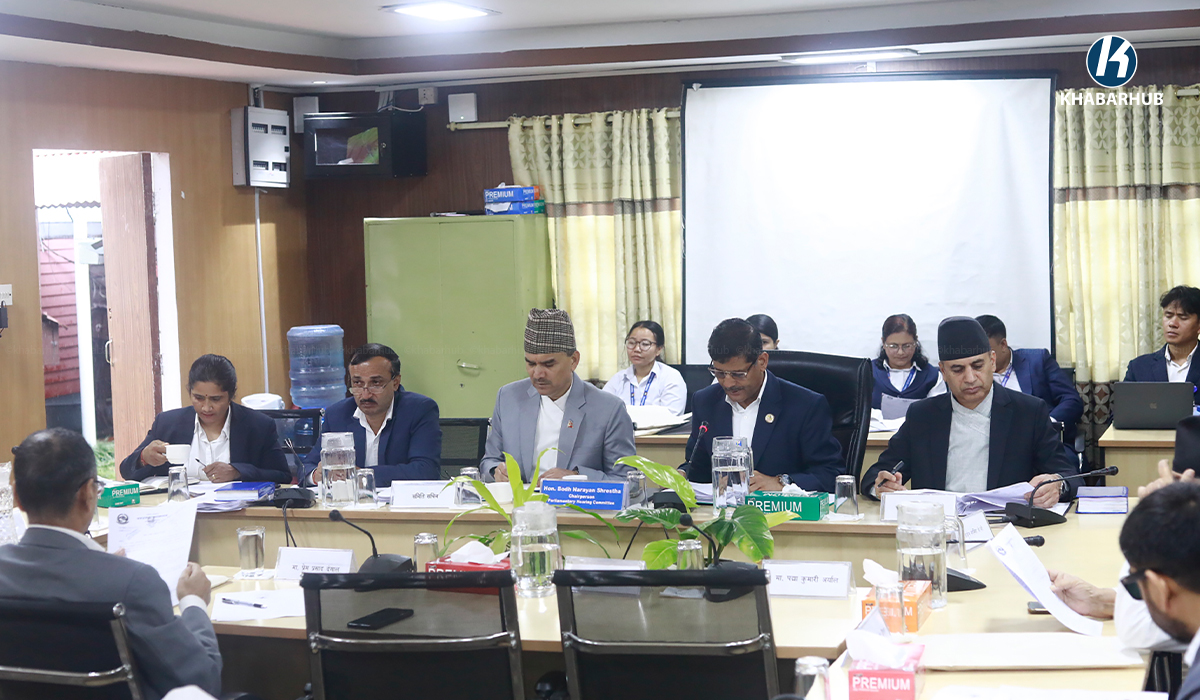
KATHMANDU: The Parliamentary Hearing Committee on Wednesday unanimously endorsed 10 of the government’s 13 ambassadorial nominees, rejected two candidates and postponed a decision on the nominee for Japan until after the Dashain festival.
The committee rejected Giri Bahadur Sunar, nominated as Nepal’s ambassador to Saudi Arabia, and Chudamani Kharel, nominated for Malaysia, following concerns raised over their conduct and alleged financial irregularities.
Sunar’s nomination was put to a vote after Rastriya Swatantra Party (RSP) lawmaker Samim Miya Mikrani questioned his suitability for the diplomatic position. RSP Chief Whip Kabindra Burlakoti also said the allegations against Sunar raised concerns about the high ethical standards expected of an ambassador.
Sunar has faced complaints involving alleged sexual harassment, violence, threats and financial misconduct. However, the allegations have not been proven.
Kharel’s nomination was also unanimously rejected after lawmakers from the RSP, Nepali Congress, CPN-UML and Nepali Communist Party raised questions about his moral character. The complaints against him include alleged financial irregularities, land transactions and potential conflicts of interest involving recruitment agencies.
Kharel has denied the allegations, claiming that false information had been circulated about him.
Committee Chair Bodh Narayan Shrestha announced the decisions and instructed the committee secretary to notify the Ministry of Foreign Affairs about the nominees who had received approval.
The 10 nominees unanimously endorsed by the committee are Nishchal Nath Pandey for India, Kalyan Raj Sharma for China, Chiran Jung Thapa for the United States, Gaurav Shumsher Jung Bahadur Rana for the United Kingdom, Suresh Kumar Karna for Israel, Padmakshi Rana for Oman, Sangam Shrestha for South Korea, Prapti Sherchan for Spain, Sharu Joshi for Germany and Manchala Jha for Sri Lanka.
The committee, however, failed to reach a decision on Jigyan Kumar Thapa, the government’s nominee for Japan, after members disagreed over whether to reject his candidacy or postpone the decision.
When Chair Shrestha sought a decision on Thapa’s nomination, Nepali Communist Party lawmaker Barshaman Pun called for its rejection, citing several concerns, including Thapa’s permanent residency status in Japan.
RSP Chief Whip Burlakoti argued that the committee should defer the decision until a later date, although some RSP lawmakers favoured an immediate vote. Following the disagreement, Shrestha adjourned the meeting until after Dashain.
During the hearing, lawmakers questioned reports that Thapa had previously held permanent residency (PR) in Japan and had relinquished the status only recently. Concerns were also raised over reports that his wife and sons continued to hold Japanese PR, that he owned a house in Japan, had received salaries from Japanese government agencies and had worked as an adviser to a local government there.
These issues were among the objections raised against his nomination.
The government recommended all 13 ambassadorial candidates on September 18, following a public application process launched by the Ministry of Foreign Affairs in May. More than 4,400 people applied for the vacant ambassadorial positions.
The nominations came after months of screening and consultations, with the parliamentary committee conducting hearings from Monday to Wednesday.




Comment