




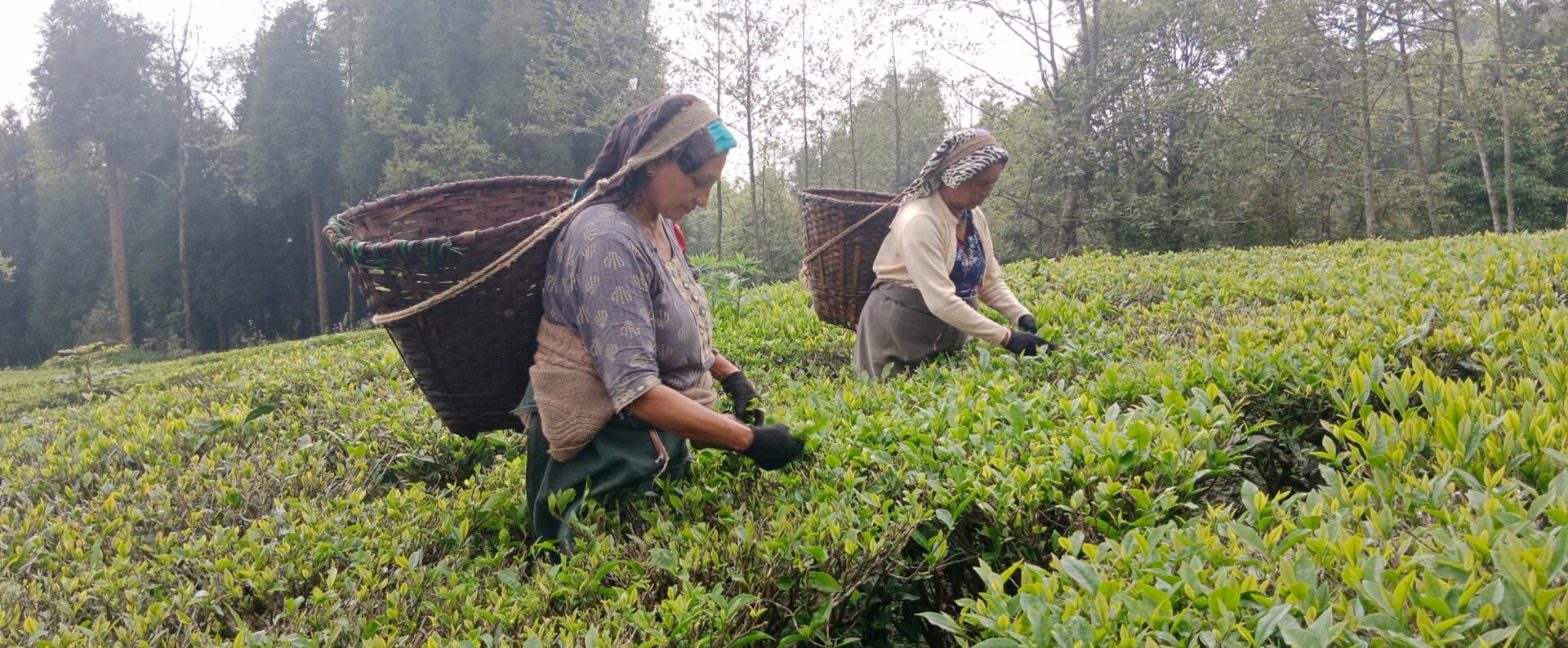
ILAM: Tea factories in the Suryodaya area of Ilam are on the verge of closure after India tightened restrictions on tea imports from Nepal, raising concerns over the livelihoods of thousands of tea farmers.
The Suryodaya Orthodox Tea Producers Association Nepal, which represents tea processing industries in the region, has announced plans to halt operations from June 15, citing mounting stocks and disruptions in exports to India.
According to the Association, more than 300,000 kilograms of Nepali tea awaiting quality clearance in India remain stranded, while over 700,000 kilograms of processed tea have accumulated in local factories. Industry operators say storage facilities have reached full capacity, leaving them unable to continue production.
“We have purchased green leaves from farmers and processed them into made tea, but the product has not reached the market,” said association president Dilli Shrestha. “Our warehouses are full, and we cannot continue operations under these circumstances. At the same time, we cannot stop purchasing tea leaves from farmers.”
The crisis follows India’s implementation of a new Standard Operating Procedure (SOP) for tea imports from Nepal on May 1, 2026. Under the new rules, tea carried by each vehicle must undergo separate quality testing, with laboratory reports taking more than 20 days to be issued. Tea cannot be sold until test results are received, and consignments that fail the tests must either be returned or destroyed.
Tea entrepreneur Gopal Kattel said the new measures have effectively blocked access to Nepal’s primary export market.
“The route to market has become almost inaccessible,” Kattel said. “The industry is struggling to survive after India introduced technical barriers that have significantly slowed the entry of Nepali tea.”
He urged the federal government to initiate diplomatic efforts to resolve the issue, warning that Nepal risks losing a tea export market worth billions of rupees if the restrictions remain in place.
The closure of tea factories is expected to have a severe impact on local farmers. According to the association, Suryodaya Municipality is home to 2,995 tea farmers cultivating tea across 33,655 ropanis of land and producing around 20 million kilograms of green tea leaves annually.
“If the factories close, our income will stop immediately,” said farmer Rajan Bhattarai. “Without buyers for our green leaves, we are worried about how we will sustain our families.”
Suryodaya Municipality, which hosts more than 65 tea factories, has called on Nepal’s Ministry of Foreign Affairs to undertake high-level diplomatic initiatives to address the issue with India.
The municipality stated that officials from the Indian Tea Board have been collecting samples from each bag of Nepali tea stored in importers’ warehouses in Kolkata for testing. However, despite samples being collected from more than half a dozen truckloads over a week ago, laboratory reports have yet to be issued, preventing the sale and distribution of the tea.
Acting Chief Administrative Officer of Suryodaya Municipality, Durga Kumar Baral, warned that prolonged delays could affect the quality of tea stored in Indian warehouses.
“Quality Nepali tea risks deteriorating while awaiting clearance,” Baral said. “The Government of Nepal must take immediate diplomatic initiatives to remove these barriers.”
According to Nabin Koirala of the National Tea and Coffee Development Board, Nepal exports more than 7 million kilograms of orthodox tea annually, with over 90 percent destined for the Indian market.
Nepal exports processed tea worth more than Rs 4.25 billion each year. Orthodox tea is primarily produced in the eastern hill districts of Ilam, Panchthar, and Dhankuta.






Comment