




WASHINGTON D.C.: A recent report by the Congressional Research Service (CRS), the non-partisan research arm of the United States Congress, has interpreted Nepal’s general elections held on March 5 a profound expression of dissatisfaction with established political powers and a deep-seated desire for change.
The report details the dramatic shift in Nepali politics following the Gen-Z-led protests in September 2025, which forced the resignation of then-Prime Minister KP Sharma Oli. In the subsequent parliamentary elections, the Rastriya Swatantra Party (RSP) secured an historic 182 seats in the 275-member House of Representatives.
The CRS highlights that this is the first time since 1999 that a single party has achieved a clear majority in Nepal, noting that at age 35, Balendra Shah has become the youngest Prime Minister in the nation’s history.
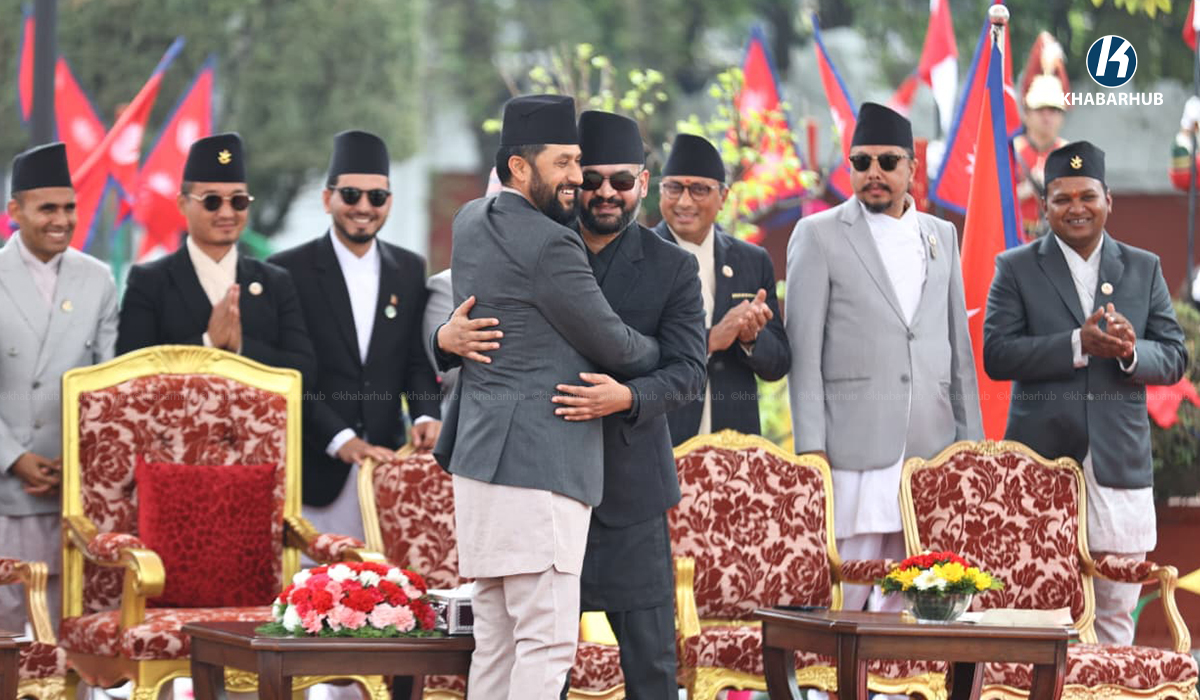
The report provides an analytical look at the relationship between Prime Minister Shah and RSP Chairman Rabi Lamichhane, describing Lamichhane as a former television journalist who rose to prominence through anti-corruption campaigns. The research service characterizes the collaboration between the two as a marriage of convenience.
According to the report, the partnership was mutually beneficial because Balen required a national party structure to run for the premiership, while Lamichhane needed Balen’s immense popularity and youth appeal to galvanize voters against the traditional big three parties. This strategic alliance was further highlighted by Balen’s move to Jhapa-5, where he directly challenged and defeated former Prime Minister KP Sharma Oli by a wide margin.
Regarding the current administration, the CRS notes that while Lamichhane remains active in party leadership, Prime Minister Shah has launched a 100-point Good Governance Improvement Program focused on corruption control and economic reform.
The CRS identifies several critical challenges facing the Shah-led government, including addressing youth unemployment, managing workers returning from the Gulf, and stabilizing a remittance-dependent economy.
On the diplomatic front, the administration is expected to navigate a balanced and independent foreign policy focused on development while maintaining pragmatic relations with both India and China.
The report concludes that Nepal has entered a new chapter, signaling the end of the era of old coalitions and the definitive rise of a new generation, though the ultimate success of the government will depend on how effectively the leadership can deliver on its promises of systemic reform.






Comment