




KATHMANDU: The World Association of Press Councils (WAPC) has strongly objected to the arrest of Nepali journalist and Jana Aastha weekly editor Kishor Shrestha, calling on the Nepal government to release him immediately and unconditionally.
In a statement issued from Nairobi, Kenya, on Thursday, WAPC expressed serious concern over Shrestha’s arrest and detention and urged the Nepal government to secure his immediate and unconditional release.
Shrestha is the editor and publisher of Jana Aastha weekly and Jana Aastha online. He also serves as the second vice president of WAPC.
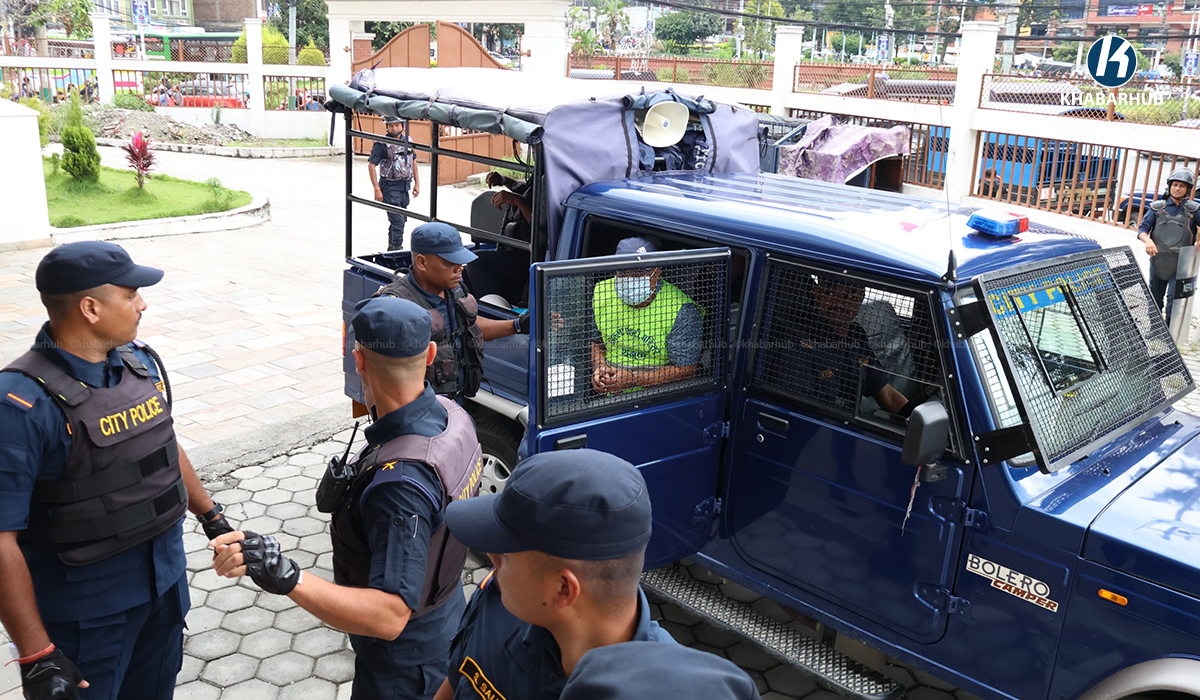
According to information received from Nepal, Shrestha was arrested from his private residence in Lalitpur on Wednesday evening by a joint police team on allegations of violating privacy-related laws.
He is currently being held in Kathmandu District Police custody. WAPC also stated that police raided his media office on Thursday morning, several hours after his arrest.
WAPC said it was deeply concerned that one of its office bearers and an independent journalist had been detained.
The organization said legitimate complaints concerning journalistic privacy, factual accuracy, professional ethics or other matters should be taken seriously. However, in a democratic society, such disputes should be addressed through established legal, judicial and press-regulatory mechanisms.
“Detention is not an appropriate response to professional journalistic work,” WAPC said in its statement.
WAPC also noted that demonstrations by journalists and media organizations in Kathmandu demanding Shrestha’s release demonstrate the seriousness with which Nepal’s media community views the incident.
It warned that the arrest of a journalist could create fear and pressure within the media sector and urged the Nepal government and security agencies to address the matter immediately.
WAPC President David Omwoyo said the arrest of a journalist over published material is a matter of concern for any democracy committed to freedom of expression and an independent media.
“Journalists have a responsibility to respect privacy and factual accuracy. However, such matters should be addressed through legal procedures and established professional mechanisms. Detention should not be used as a substitute for press regulation or judicial processes,” Omwoyo said.
WAPC expressed solidarity with Nepali journalists and media organizations in their efforts to protect press freedom, editorial independence and responsible journalism.
According to the organization, WAPC is an international body representing more than 30 press councils, media regulatory organizations and self-regulatory institutions worldwide.
It aims to promote professional and ethical standards in journalism, protect press freedom and strengthen journalism as an important foundation of democracy.






Comment