




KATHMANDU: Growing criticism over the government’s handling of displaced landless squatters has intensified pressure on Prime Minister Balen Shah and Rastriya Swatantra Party (RSP) Chair Rabi Lamichhane, both of whom have remained largely absent from public view despite mounting humanitarian concerns and political scrutiny.
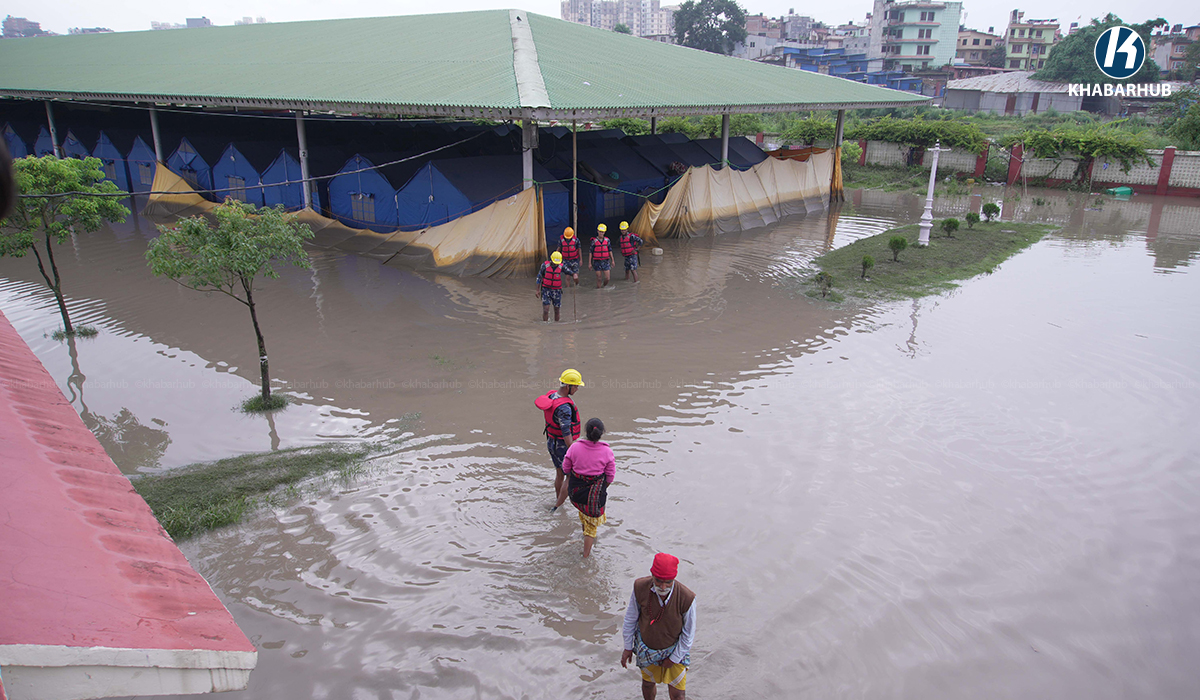
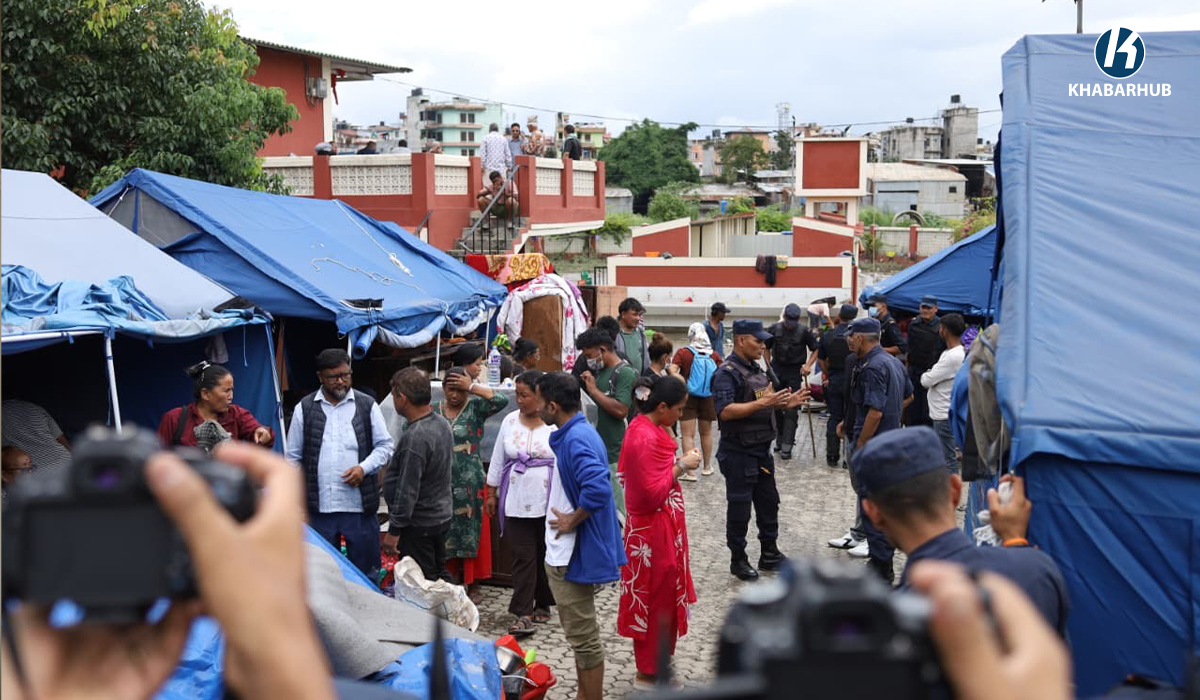
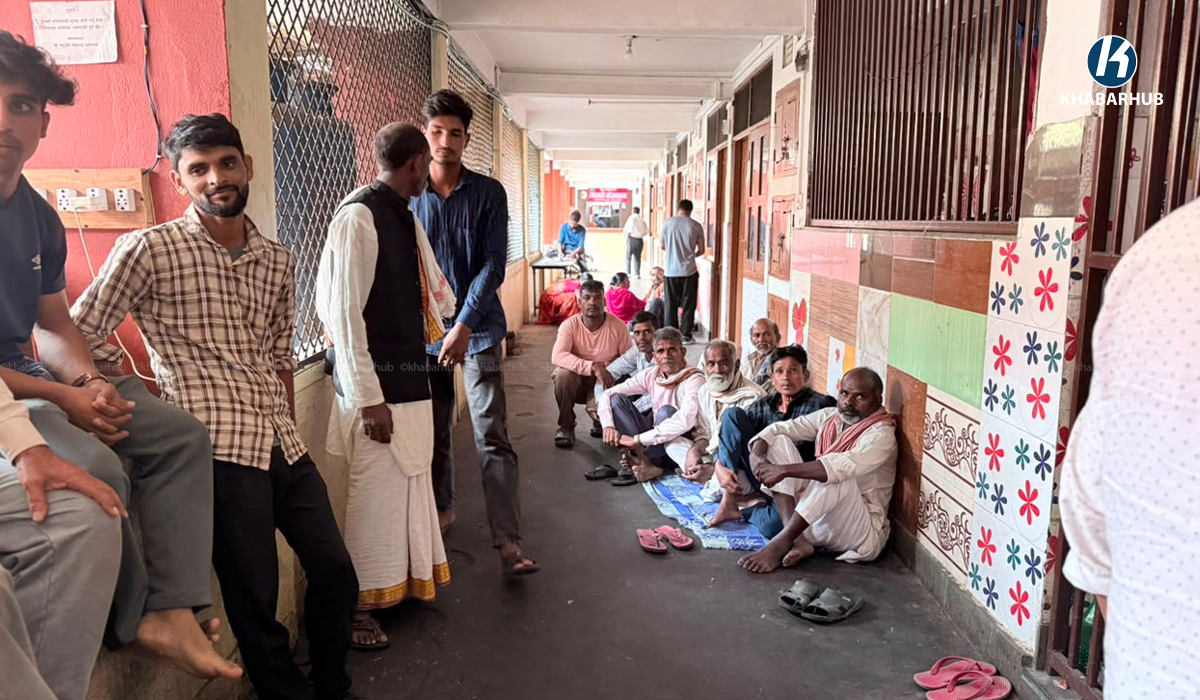
The criticism comes as hundreds of families relocated from informal settlements along Kathmandu’s riverbanks continue to face difficult conditions in temporary holding centers, with recent flooding further worsening their situation.
The issue has also unfolded against the backdrop of public anger over rising taxes, inflation, and the recent self-immolation of businessman Ganesh Nepali, prompting questions from both the opposition and civil society about the government’s response.
Election promises under renewed scrutiny
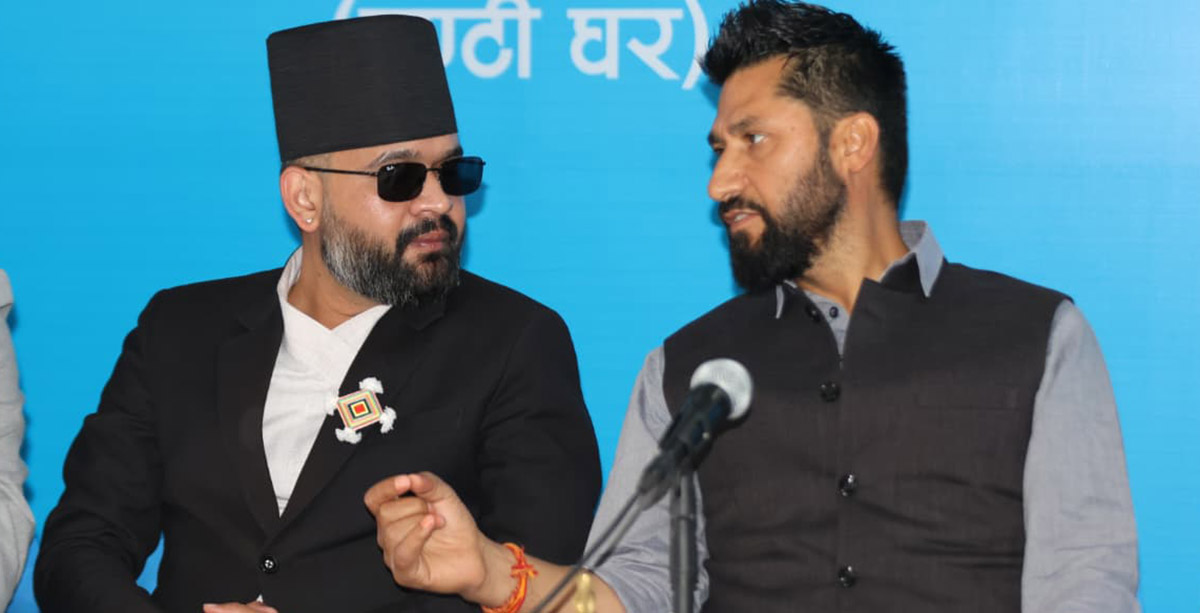
During the election campaign, Lamichhane had repeatedly pledged to protect landless communities, saying no family should be displaced without proper rehabilitation and alternative housing.
Speaking in informal settlements before the elections, he had said he would personally stand in front of bulldozers if the government attempted to evict squatters without guaranteeing their rights.
Those remarks resonated with many low-income voters and became one of the campaign’s defining messages.
Now, with the government overseeing the relocation of squatters and criticism growing over living conditions in temporary shelters, Lamichhane has yet to issue a public statement on the matter.
Displaced residents say they feel abandoned.
“We are completely without support,” said Sabina Lakandri, who is staying at a holding center after being relocated from a riverside settlement.
“No ministers or lawmakers have visited us. Our children are suffering, schools are far away, and we do not know where we belong. The leader who once promised to stand with us has not come.”
Lakandri said she has also been unable to continue her job at a bank because she fears leaving her children alone in the temporary shelter.
Floods deepen humanitarian concerns
Families displaced during the government’s eviction drive earlier this year have now faced renewed hardship after floodwaters inundated parts of the temporary settlements where they were relocated.
Residents say many have again been forced to move while awaiting a permanent rehabilitation plan.
Although ministers have pledged that affected families will eventually receive land ownership certificates, questions remain over where land will be allocated and when permanent housing arrangements will be made.
Ministers meet displaced families
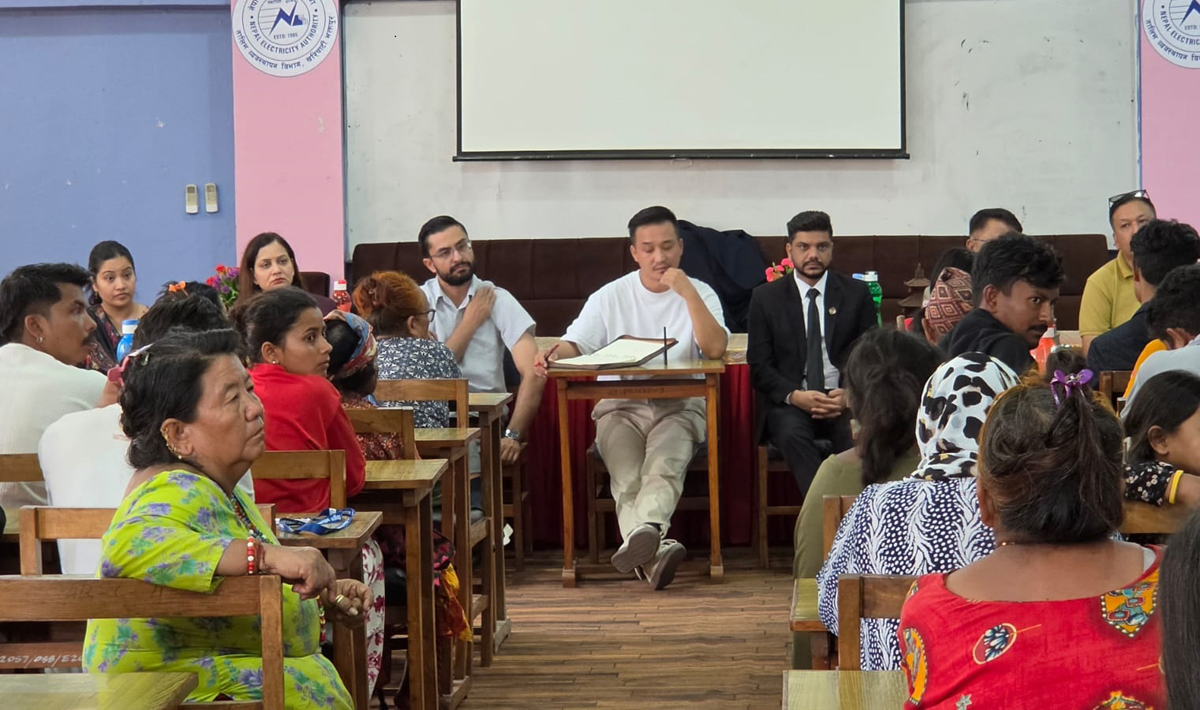
On Sunday, six cabinet ministers visited displaced families at Kharipati in Bhaktapur following instructions from the prime minister and the party leadership, according to government and party sources.
Home Minister Sudan Gurung, Health Minister Nisha Mehta, Education Minister Sasmit Pokharel, Labour Minister Ramji Yadav, Women Minister Sita Badi and Land Management Minister Pratibha Rawal met residents and assured them that the government was working to address their concerns.
Rawal reiterated the government’s commitment to providing land ownership certificates to eligible families, although officials have yet to specify where land will be allocated or when rehabilitation will begin.
The ministerial visit came as criticism continued to mount over the government’s handling of the relocation process.
Four-hour meeting between top leaders
As public pressure increased, Prime Minister Shah and Lamichhane held a four-hour meeting on Sunday at Lamichhane’s residence in Budhanilkantha.
According to party sources, the two leaders discussed the government’s response to the squatter issue, growing frustration among young people, public concerns following Ganesh Nepali’s death, and broader political developments.
Sources said Lamichhane urged the prime minister to take visible steps to address public concerns and prevent the situation from escalating further.
The meeting marked a notable shift in relations between the two leaders. Party insiders said Shah had previously been reluctant to meet Lamichhane following the formation of the government, whereas this time the prime minister himself visited the RSP chair’s residence.
Leaders familiar with the discussion said the two also talked about possible rehabilitation options for displaced squatters and internal party matters, including the implementation of the RSP’s newly adopted statute.
Analysts question leadership silence
Political analyst Indra Adhikari said the absence of public communication from both leaders has raised concerns over political accountability.
“When children, elderly people and vulnerable citizens are forced onto the streets, the public naturally expects political leaders to respond,” she said.
Adhikari argued that relocation should proceed only after adequate rehabilitation measures are in place.
Political analyst Shyam Shrestha similarly said the issue has become one of political responsibility.
“This is not about allowing informal settlements to remain indefinitely,” he said. “The concern is whether the state fulfilled its obligation to provide proper alternatives before demolition.”
Land rights activist Jagat Deuja also called on the RSP leadership to publicly clarify its position, saying voters expect leaders to respond during times of crisis.
Internal pressure builds
Party insiders say pressure has also grown within the RSP, with some lawmakers urging Lamichhane to publicly address the controversy.
According to sources, discussions are underway over the party’s response, although no formal statement has yet been issued.
Leaders also acknowledge that public dissatisfaction with the government’s performance has increased in recent weeks.
One senior party leader, speaking on condition of anonymity, said the leadership recognizes that mistakes may have occurred but stressed the need to avoid further confrontation between the state and affected communities.
“We have acknowledged that there may have been shortcomings,” the leader said. “The priority now is to manage the situation responsibly and ensure that it does not escalate further.”
Neither Prime Minister Shah nor Lamichhane has publicly commented on the squatter issue in recent days.
Both leaders, who were previously active in responding to public controversies through social media and public statements, have remained largely silent as criticism over the government’s handling of the humanitarian situation continues to grow.






Comment