




KATHMANDU: Although Nepal’s Constitution guarantees every citizen the right to free basic healthcare services, access to treatment remains out of reach for many low-income and vulnerable patients.
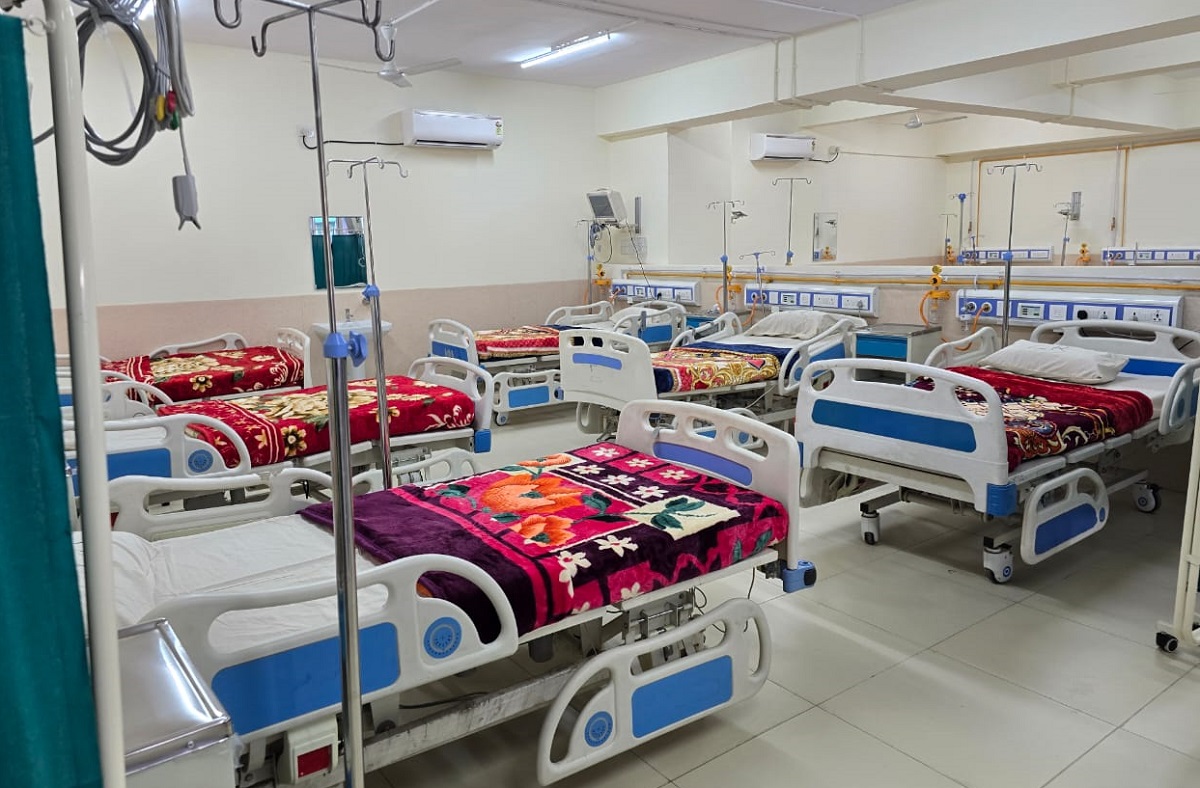
Despite a government provision requiring public, private and community hospitals to reserve 10 percent of their total beds for poor, helpless and abandoned patients free of charge, thousands of allocated beds remain unused while many patients continue to struggle to receive treatment.
According to the Ministry of Health and Food Safety’s online system, hospitals across the country currently operate 23,200 beds, of which 2,671 have been designated for free treatment. However, only 341 of those beds are currently occupied, leaving 2,330 beds vacant.
Data show that even major referral hospitals such as Bir Hospital, Tribhuvan University Teaching Hospital and Shahid Gangalal National Heart Center have recorded minimal utilization of free beds, with only four to five beds occupied in some cases.
The figures raise concerns at a time when many patients continue to face financial hardship and are unable to afford medical care.
Which hospitals have vacant free beds?
According to data published through the ministry’s Free Healthcare Portal, not a single one of the 84 beds allocated for free treatment at Nepal Medical College is currently in use.
Similarly, none of the 50 designated free beds at Chitwan Medical College and the College of Medical Sciences in Bharatpur have been occupied.
The data further show zero occupancy in hospitals including Manmohan Memorial Medical College in Kathmandu, KIST Medical College in Lalitpur, B&B Hospital and Nepal Mediciti Hospital, where 30 beds each had been reserved for free treatment.
Government hospitals have also reported low utilization.
At Bir Hospital, only five out of 65 allocated free beds are occupied, while 60 remain vacant. At Paropakar Maternity and Women’s Hospital, only eight of the 41 designated beds are currently being used.
A similar trend has been recorded in hospitals across the country.
Hospitals argue vacant beds are not always available
Information Officer at Tribhuvan University Teaching Hospital, Kali Prasad Rosyara, argued that the online system does not reflect the actual situation on the ground.
According to him, free beds are assigned department-wise, meaning beds shown as vacant cannot always be used interchangeably.
“A bed allocated to the urology department cannot be assigned to an orthopedic patient. Therefore, although beds appear vacant in the system, free beds are often occupied in practice,” he said.
However, the low utilization recorded even in major government hospitals, including Bir Hospital, has raised questions over such explanations.
Hospitals receive millions in reimbursement despite low utilization
Under the treatment support program for economically disadvantaged citizens, the Health Insurance Board has recently reimbursed hospitals more than Rs 273.78 million.
Among the highest recipients, Shahid Gangalal National Heart Center received more than Rs 25.9 million.
Shahid Dharmabhakta National Transplant Center received Rs 17.8 million, Gautam Buddha Community Heart Hospital received Rs 15.9 million, and Patan Hospital received over Rs 10.8 million.
Tribhuvan University Teaching Hospital received Rs 6.97 million in reimbursement, while Bir Hospital received Rs 4.39 million and BP Koirala Institute of Health Sciences in Dharan received Rs 7.22 million.
Why has the program remained ineffective?
Health experts say the program’s limited effectiveness stems mainly from a lack of public awareness, complex administrative procedures, weak monitoring and hospitals’ lack of proactive implementation.
Many citizens remain unaware that free treatment beds are available.
In addition, patients often face procedural hurdles, including requirements for recommendations from local governments, poverty identification documents and additional paperwork.
There have also been complaints in some hospitals regarding discriminatory treatment toward patients admitted under the free treatment scheme.
New guideline aims to improve implementation
To address these concerns, Minister for Health and Food Hygiene Nisha Mehta has approved the Target Group Free Treatment Portal (Operation and Management) Procedure.
The guideline clarifies that eligible patients must receive equal access to hospital beds, doctor consultations, surgeries, laboratory tests and medicines free of charge.
The government has also launched the Free Treatment Portal to improve transparency and service management.
Stakeholders working in health rights say reimbursement to hospitals should be tied more closely to actual service delivery and monitored more strictly.
They warn that unless implementation improves, thousands of free beds may continue to remain vacant on paper while poor patients remain deprived of treatment.



Comment