




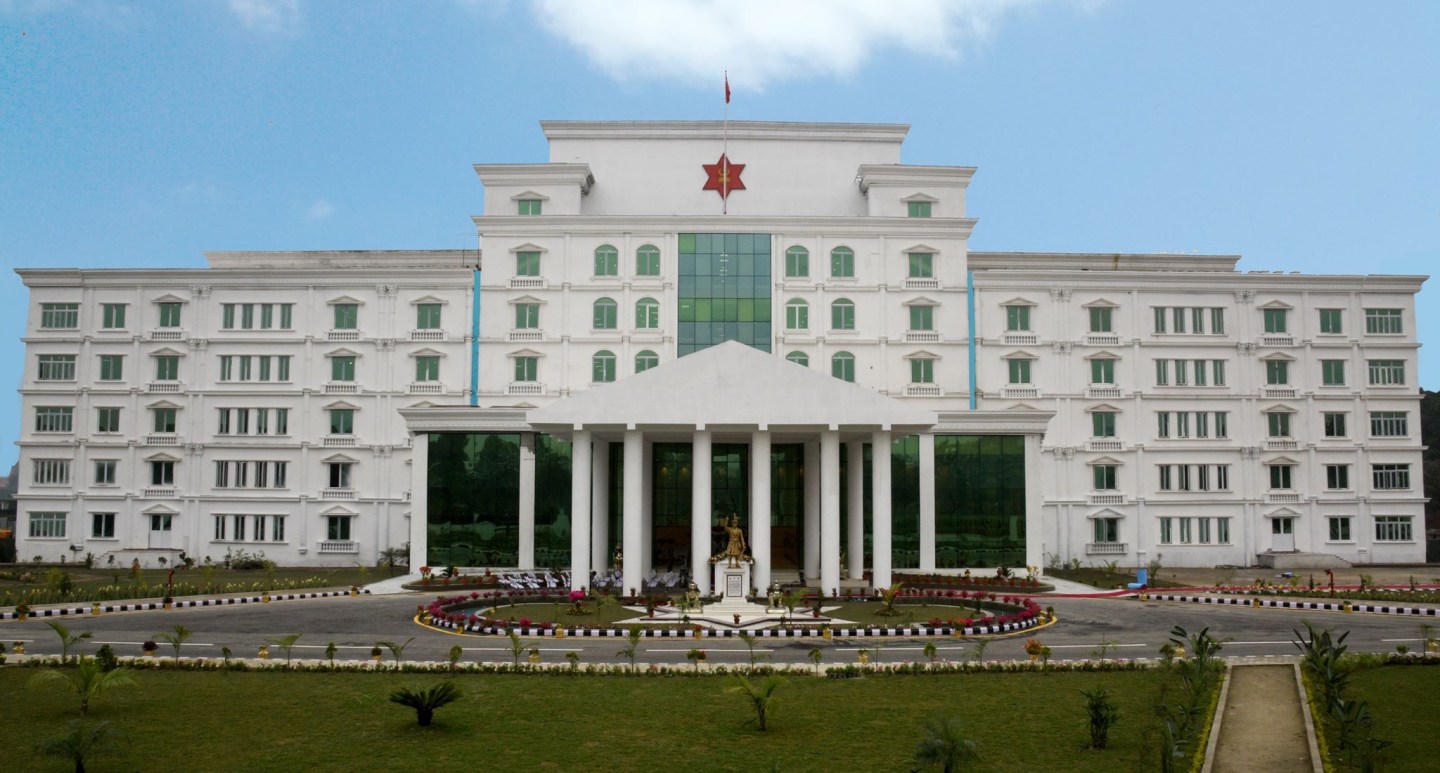
KATHMANDU: The CPN-UML has recently come under criticism for repeatedly making remarks targeting the Nepali Army, with some leaders alleging that the institution played a significant role in the formation of the current government.
From senior to junior leaders, the party appears divided in tone, though the most pointed remarks have come from UML Chairman KP Sharma Oli and parliamentary party leader Ram Bahadur Thapa ‘Badal’, who have been particularly vocal in their criticism of the army.
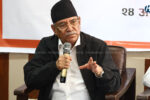
In the first meeting of the House of Representatives held after the March 5 election on April 2, Badal made strong remarks directed at the Nepali Army. He questioned what he described as the “decisive internal and external forces” behind the Rastriya Swatantra Party’s unexpected electoral success.
He claimed that various actors, including the Nepali Army, the Sushila Karki govenrment, the Barbara Foundation, NGOs, and others, had played a role in the party’s majority victory.
His comments drew widespread criticism, including from within his own party. UML Vice Chair Bishnu Poudel, Deputy General Secretary Yogesh Bhattarai, and other leaders objected to his statement, clarifying on social media that it did not represent the official position of the UML.
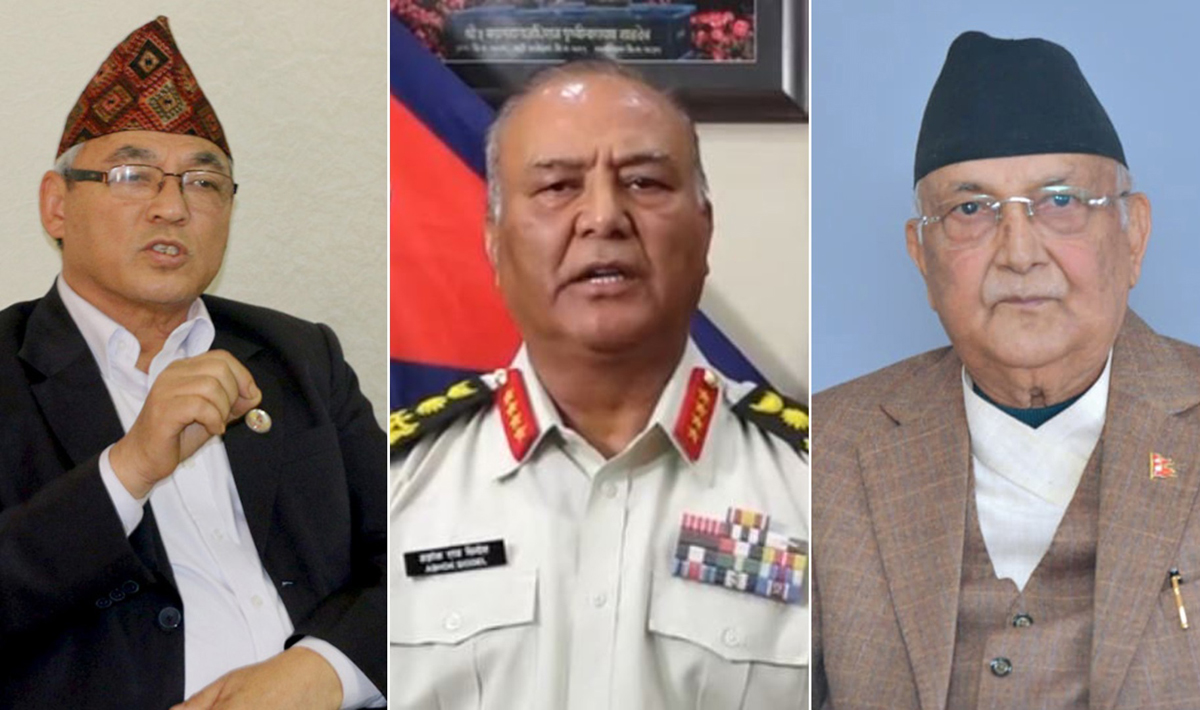
Leaders including Binda Pandey, former Deputy General Secretary Pradeep Gyawali, and youth leaders Usha Kiran Timalsina and Nabina Lama also criticized the remarks.
Despite the internal backlash, Badal was later politically shielded with support from Oli. Some leaders close to him even claimed that Oli himself had contributed to drafting the speech.
Former DIG Malla clarified that the army has no role in the formation of the current government, rejecting allegations made by some UML leaders. According to him, such claims have also created an impression that the army is being dragged into political narratives without justification.
At the time, Badal had stated, “Innumerable facts have made it clear who played a decisive external role in this miraculous victory. Invisible forces, AI, algorithms, and Goebbels turned the heroes of nationalism, democracy, and prosperity into villains and cowards.”
He further said that “extraordinary questions” had emerged regarding the election outcome, claiming that institutions such as the Nepali Army, bureaucracy, commissions, foundations, NGOs, and media groups had played a decisive role in the outcome.
Following these remarks, UML leaders are reportedly recalibrating their internal strategy, with indications of growing tension within the party leadership. Some leaders have even suggested that internal opposition to Oli could emerge in the coming days.
In a subsequent parliamentary address on Tuesday, Badal again questioned the role of the Nepali Army, asking why the institution remained a “mute spectator” during critical national events. He also questioned its presence in certain operations while referring to issues such as border encroachment and internal unrest.
Security experts, however, have strongly rejected such claims, saying the army has not supported any political force in forming a government. One security analyst said the remarks risk undermining public trust in national institutions and warned against politicizing the military.
He added that blaming state institutions after political setbacks reflects a troubling trend and could harm democratic norms and civil-military relations.
Following the continued criticism, other political parties have also defended the Nepali Army and have called for Badal’s statements to be expunged or corrected in the parliamentary record.
Reactions from other parties
Shram Sanskrity Party Chair Harka Sampang described Ram Bahadur Thapa ‘Badal’s’ remarks as “disgusting.” He said Parliament should focus on addressing public issues rather than engaging in disputes over institutional hierarchy or attempting to draw the Nepali Army into controversy.
Similarly, Rastriya Prajatantra Party (RPP) leader and lawmaker Khushbu Oli said the comments made about the Nepali Army were not merely criticism of an institution but an attack on national morale. She expressed regret that such remarks were being made repeatedly.
She further said, “He had made similar statements in the previous Parliament as well. He has been continuously targeting the Army. This is very unfortunate. Such statements should be removed from the record and he should be made to withdraw them.”
RPP leader and parliamentarian Gyan Bahadur Shahi also urged Badal to present his views in a more dignified manner, while ruling party (RSP) MP Manish Khanal demanded that the remarks be expunged from the parliamentary record.
Why is Oli reportedly angry?
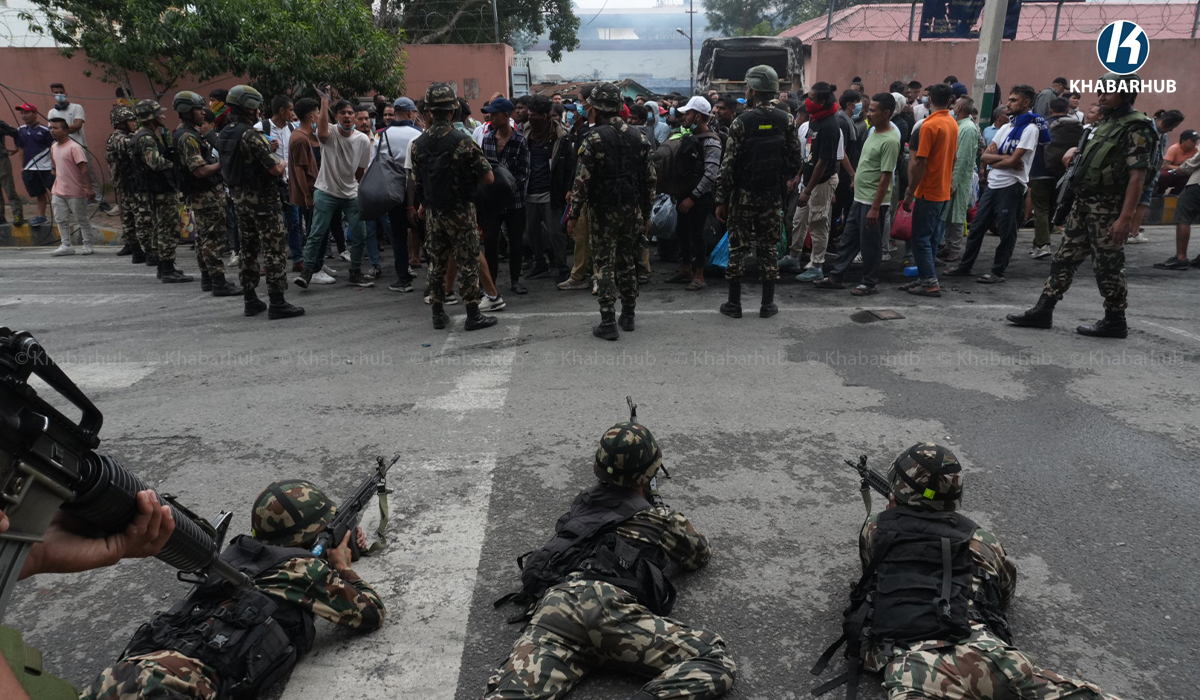
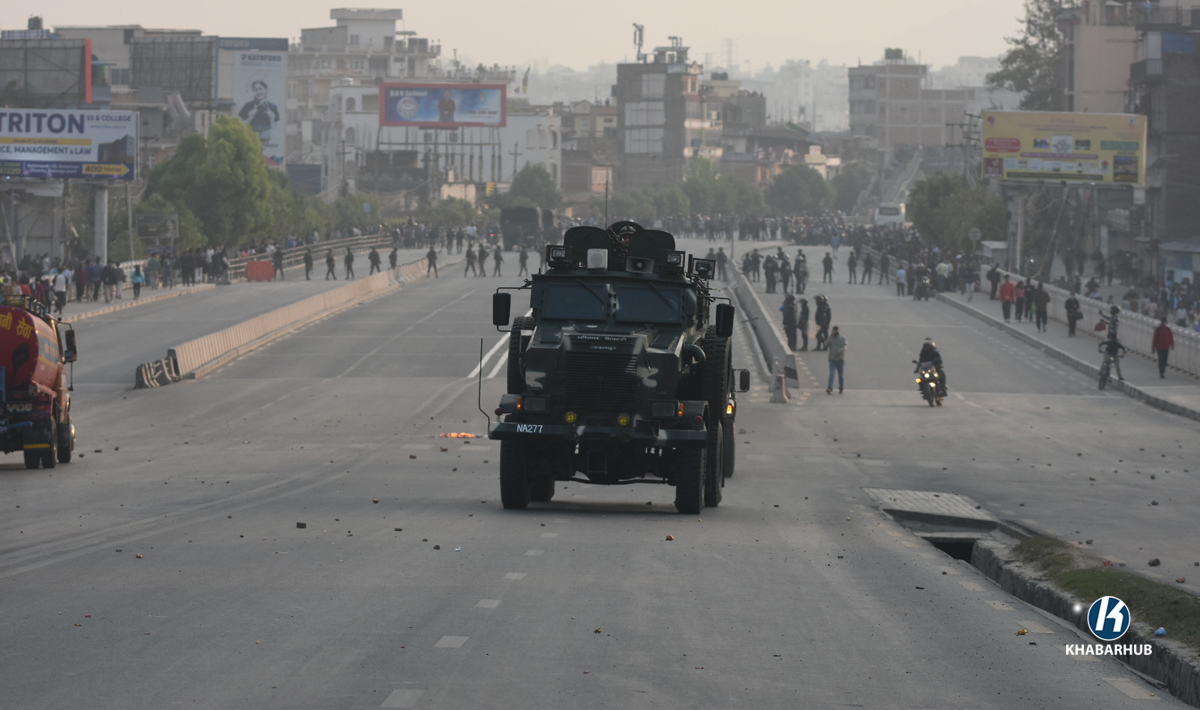
During the Gen-Z protest on September 8-9, 2025, which escalated into violence, questions were raised over the role of the Nepali Army. An investigative committee report suggested that damage escalated in several areas because the Army was not mobilized on time.
The report also noted that in some locations, security deterioration worsened due to delays in deploying the Army despite its presence in key areas. It further cited statements from the Chief District Officer of Kathmandu, indicating that support from the Army was not received in time under provisions of the Local Administration Act, 2028.
According to the report, although a request for Army deployment was made by the District Security Committee at around noon on September 9, 2025, Army personnel reportedly entered government buildings only around 3 pm.
However, the Army has maintained that its movement was delayed because protesters had obstructed access, including sitting under the wheels of vehicles, preventing timely deployment.
Former Prime Minister KP Oli has reportedly expressed dissatisfaction even after the report, believing that timely Army intervention could have changed the outcome of the situation and his continuation in office.
Meanwhile, security experts argue that the Army acted within its mandate and also ensured the safety of key political figures in time. They caution against politicizing operational decisions made during crisis situations.
Following Oli’s resignation, the Army imposed restrictions on movement, urging people not to gather in large numbers and stating that it would be mobilized after 10 pm on September 9, 2025 to prevent further loss of life and property. The Army’s position was that its priority was to stabilize the situation.
However, UML leaders continue to maintain that questions are being raised unfairly about the Army’s role and that the institution is being drawn into political blame.
Security expert says Nepali Army should not be dragged into political controversy
Security expert and former DIG Hemanta Malla Thakuri said that Nepal’s security forces should not be discouraged or unnecessarily drawn into political disputes.
Speaking on recent remarks made in Parliament, he said that while the House has the right to raise questions about any institution, including the army, repeated political accusations against the Nepali Army risk undermining morale.
He clarified that the army has no role in the formation of the current government, rejecting allegations made by some UML leaders. According to him, such claims have also created an impression that the army is being dragged into political narratives without justification.
Thakuri said that during periods of instability, citizens often lose trust in political leaders and the police, while the Nepali Army is called upon as a stabilizing force. He noted that the army, along with the President’s role, helped bring the situation back under control during recent unrest.
He further said that although security agencies may face shortcomings in complex situations, they should be assessed in context rather than being collectively blamed or politicized.
Referring to recent political discourse, he said that continuous criticism from a single party, such as the UML, could have a demoralizing effect on security personnel who are still recovering from past crisis situations.
Thakuri also cautioned against what he described as excessive politicization of the army, stating that security institutions should be allowed to function without pressure or controversy.
He added that Parliament is the appropriate place for debate, but warned that repeated attacks on security institutions could negatively affect morale and operational effectiveness.



Comment