




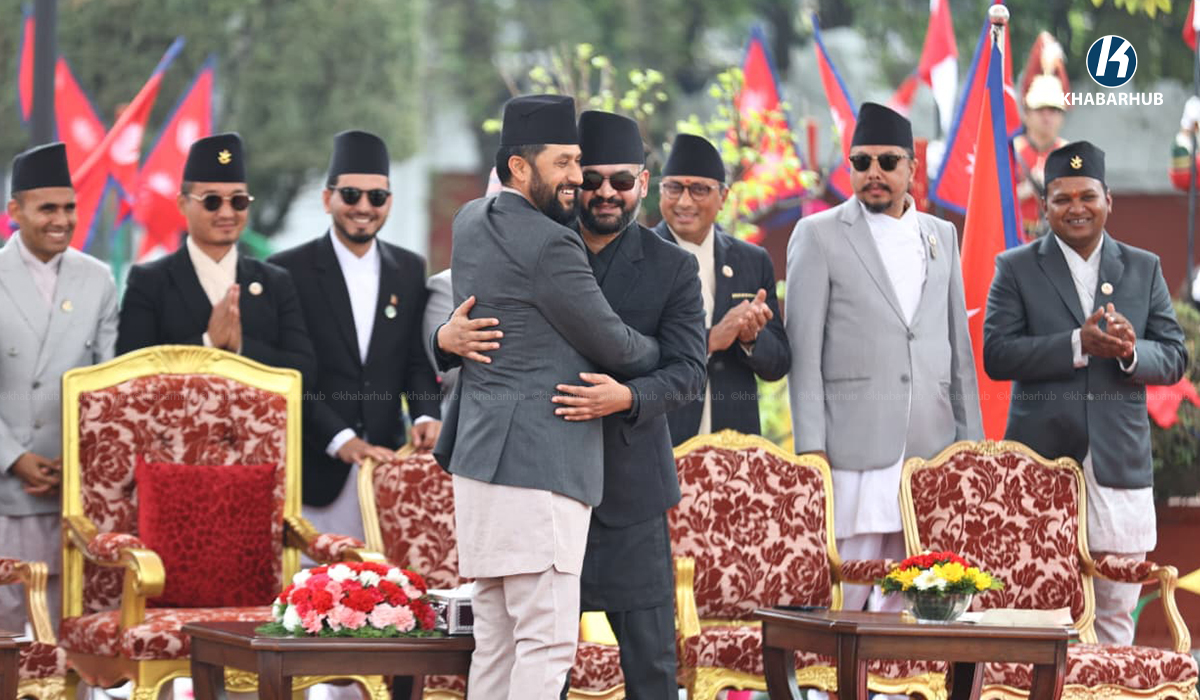
KATHMANDU: The year 2082 proved to be one of the most turbulent periods in Nepal’s political history, marked by protests, the dissolution of parliament, a caretaker administration, and a sweeping electoral mandate that dramatically reshaped the country’s political landscape.
The turning point came in mid-year when the Gen Z movement emerged as a powerful protest wave, intervening in an already shifting political trajectory. The uprising ultimately led to the fall of the government and the dissolution of the House of Representatives.
Following the political crisis, a citizens’ government led by former chief justice Sushila Karki was formed. The interim administration organized fresh elections for the House of Representatives on Falgun 21.
The election delivered a historic outcome as the Rastriya Swatantra Party secured a near two-thirds majority, winning 182 seats and defeating several established parties that had dominated Nepal’s democratic movement for decades.
Traditional parties face setbacks
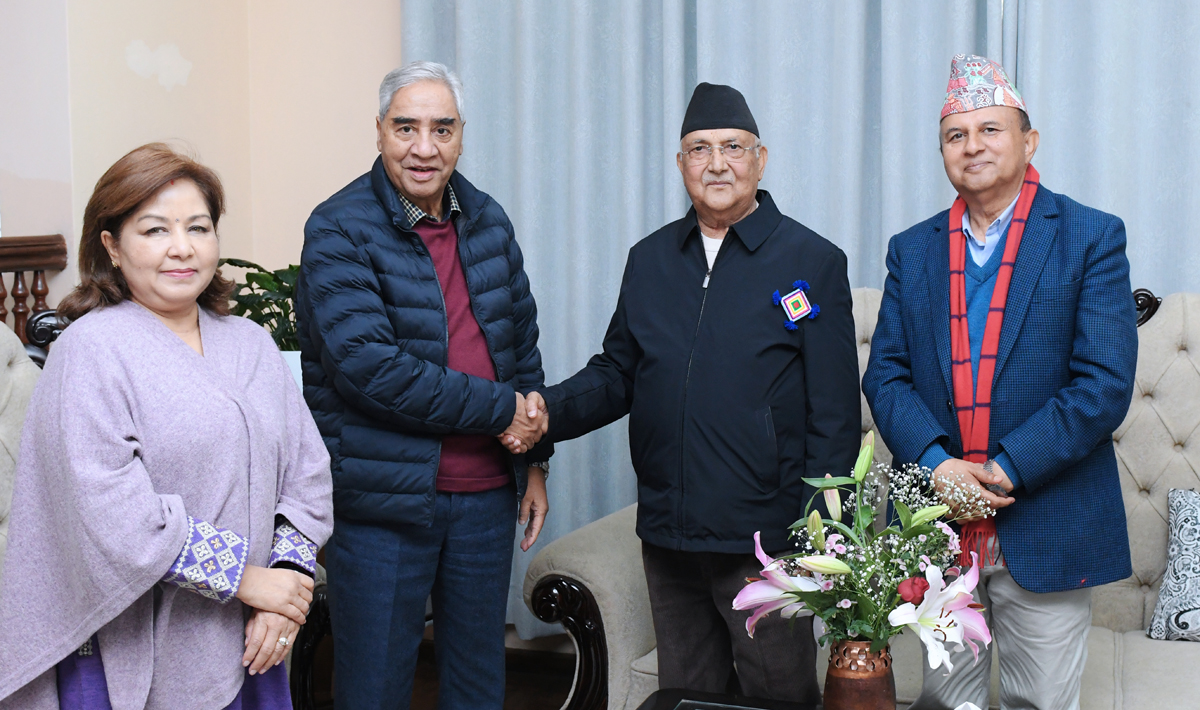
The electoral outcome significantly weakened Nepal’s traditional political forces.
Within the Nepali Congress, a special convention brought leadership changes with Gagan Kumar Thapa assuming the party leadership. However, factions aligned with former prime minister Sher Bahadur Deuba have expressed dissatisfaction, while disputes over party legitimacy remain under judicial review.
Similarly, the CPN-UML held both its second statute convention and the 11th national convention this year, re-electing KP Sharma Oli as party chair. Yet, the party has faced criticism over issues of generational leadership transition following its defeat in the parliamentary elections.
A broader left alliance led by Pushpa Kamal Dahal also failed to achieve the expected electoral outcome despite uniting more than two dozen left-leaning political groups ahead of the polls.
Emergence of a new political force
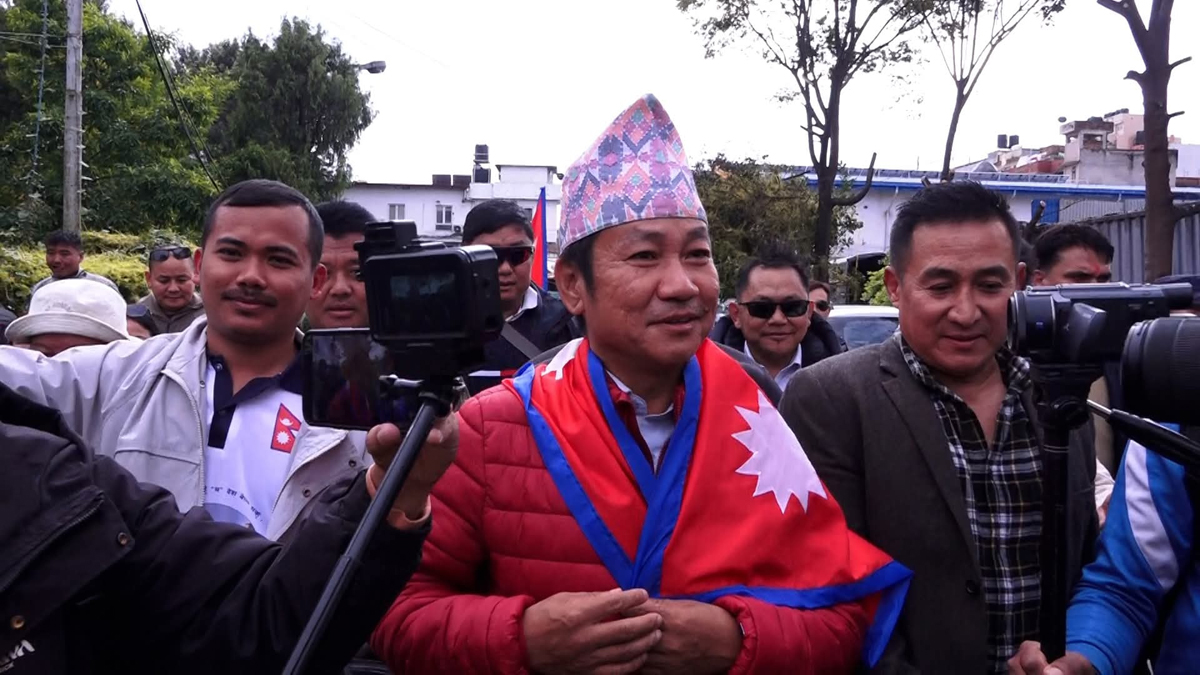
The year 2082 will be remembered as the period when a new political force rose amid widespread criticism of established parties.
Breaking the pattern of coalition politics that had characterized elections since the promulgation of Nepal’s constitution in 2015, the Rastriya Swatantra Party secured a clear majority in parliament.
Fulfilling its pre-election commitment, the party appointed senior leader Balen Shah as prime minister. He was officially appointed under Article 76(1) of the constitution on Chaitra 13.
The new government, comprising a relatively small and youthful cabinet, has begun implementing a 100-point governance reform agenda promised during the election campaign.
Prime Minister Shah has also drawn attention for emphasizing institutional reforms. Instead of holding individual meetings with foreign envoys, he opted for collective diplomatic briefings to communicate the new government’s priorities.
Gen Z movement leaves lasting impact
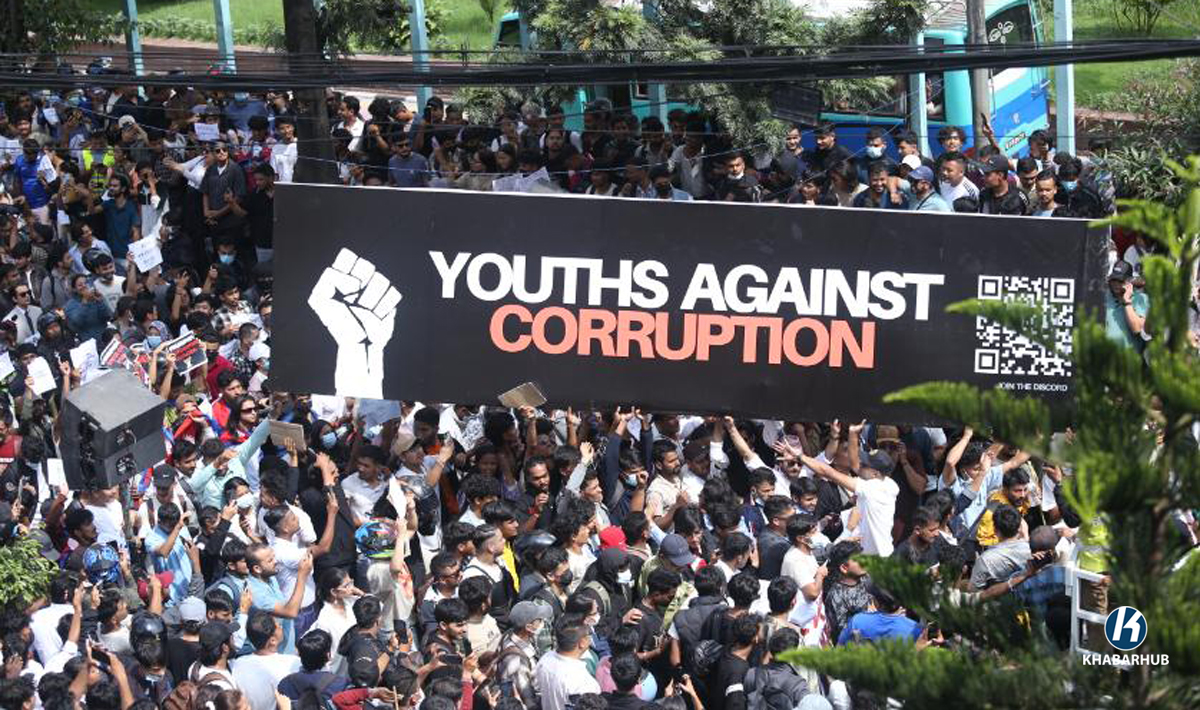
The youth-led Gen Z protests held on Bhadra 23 and 24 became one of the most dramatic political developments of the year.
During the demonstrations, 76 people lost their lives, while 45 were officially recognized as “Gen Z governance martyrs,” with the state announcing relief and compensation for their families.
The protests also turned violent, resulting in fires that damaged key government buildings including Singha Durbar, the federal parliament complex, the Supreme Court of Nepal, and Shital Niwas. Government estimates place the total loss at around Rs 76 billion.
Investigations and political accountability
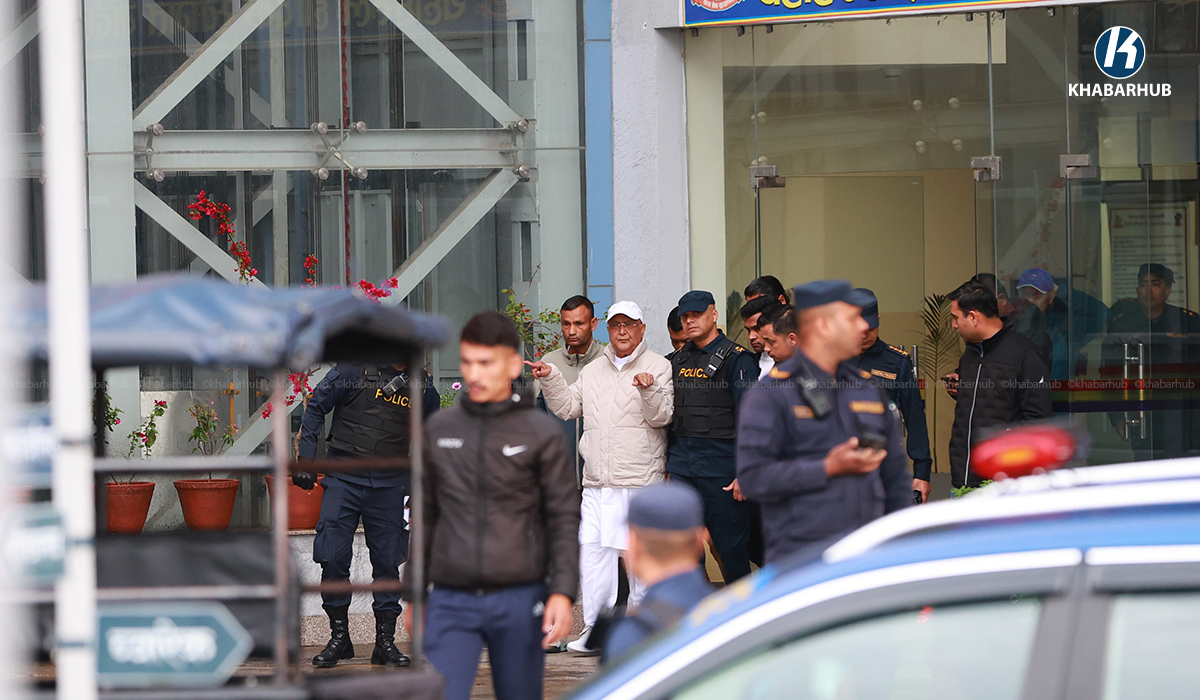
Based on recommendations from a high-level investigation commission formed to probe the protests, former prime minister KP Sharma Oli and former home minister Ramesh Lekhak were taken into custody for investigation. Both were later released on bail by court order.
Meanwhile, controversies surrounding the federal civil service bill and allegations of irregularities in visit visas also dominated parliamentary discussions during the year.
Diplomatic and international engagement
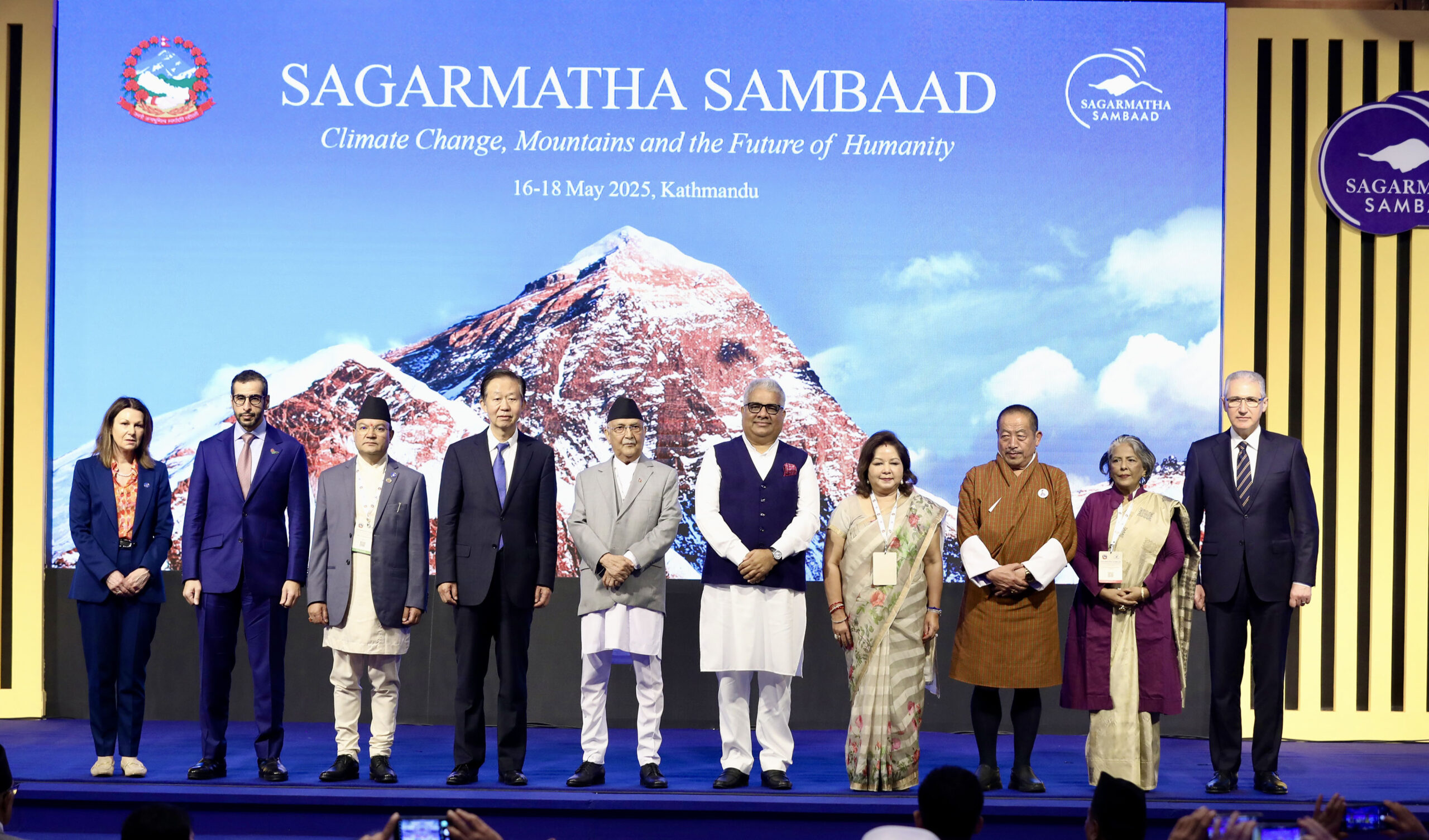
Nepal also hosted the international climate conference known as the Sagarmatha Dialogue in Kathmandu during the first week of Jestha.
The summit brought together global stakeholders to discuss climate challenges, highlighting Nepal’s initiative to frame the issue as one of security from mountains to oceans.
A year of political transformation
Political observers describe 2082 as a year of “political tsunami,” reflecting the scale of transformation in Nepal’s political environment.
According to rights activist Gaurishankar Lal Das, the year represented a decisive moment in which public sentiment reshaped the political order.
With the new government in place and parliament functioning under new leadership — including Speaker Dol Prasad Aryal and Deputy Speaker Rubee Kumari Thakur — the developments of 2082 are expected to influence Nepal’s political direction in the years ahead.




Comment