




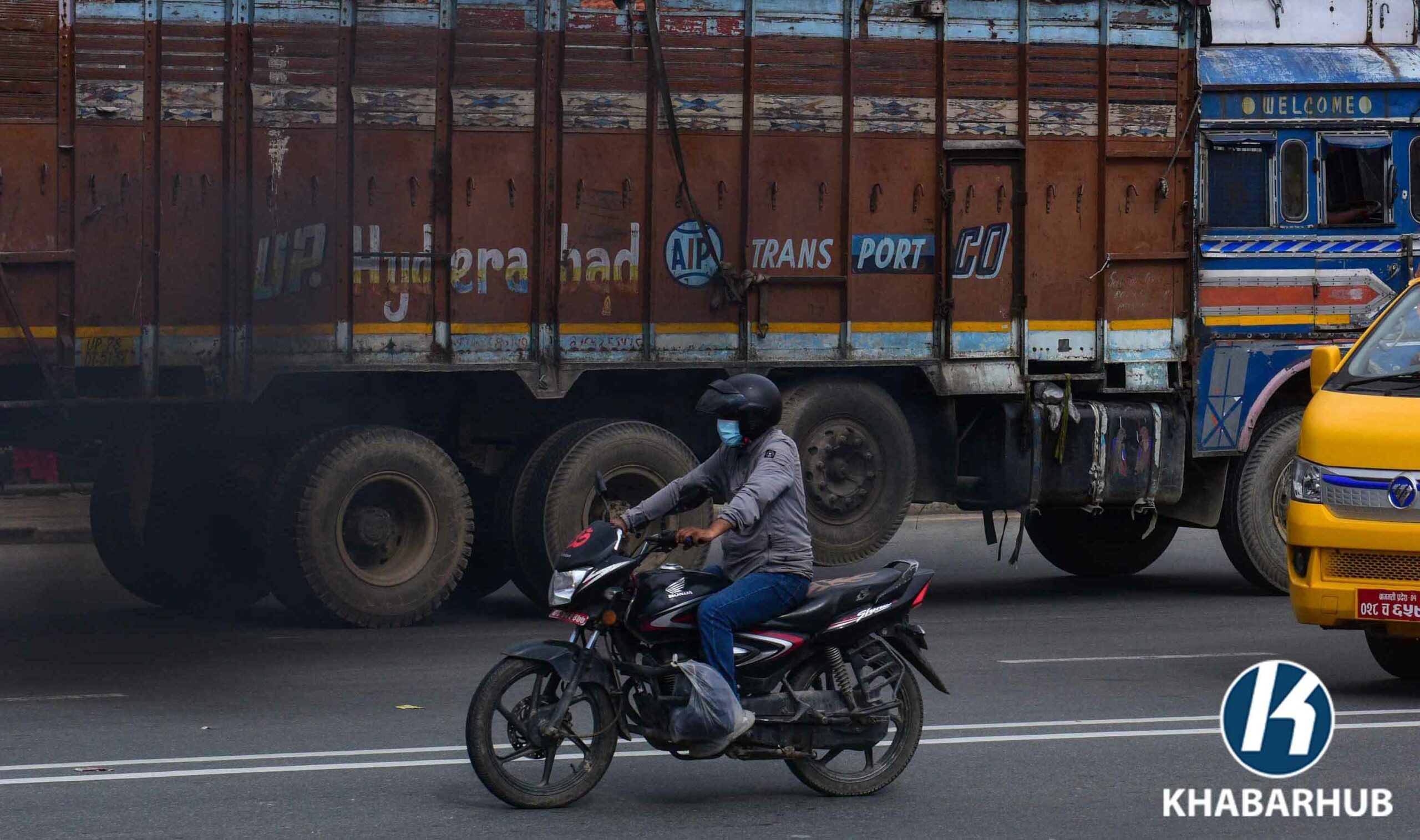
KATHMANDU: Air pollution in Nepal is responsible for approximately 42,000 deaths every year, with 21 percent of these occurring among children under the age of five, according to Dr. Prakash Budhathoki, spokesperson for the Ministry of Health and Population.
Experts say pollution contributes to respiratory diseases such as asthma, heart disease, strokes, high blood pressure, diabetes, cancer, and cognitive impairments. Children are particularly vulnerable, facing increased risks of respiratory problems, delayed brain development, abnormal behavior, childhood cancers, malnutrition, low birth weight, anemia, infertility, gestational diabetes, and mental health issues.
Dr. Budhathoki highlighted that Nepal’s air pollution levels are eight times higher than the World Health Organization (WHO) standards. On Thursday, the country’s air quality index (AQI) reached 185. According to WHO guidelines, the annual mean concentration of fine particulate matter (PM2.5) should not exceed five micrograms per cubic meter, as these particles can penetrate deep into the lungs and impair respiratory function.
In Nepal, AQI levels of 0–50 are considered healthy, 51–100 require caution, 101–150 are harmful to risk groups such as the elderly, children, and people with chronic illness, and above 151 is classified as “unhealthy.” Experts estimate that bringing pollution within WHO standards could increase the average life expectancy of Nepalese citizens by 3.3 years.
Globally, air pollution causes 7.9 million deaths annually, with 90 percent occurring in low- and middle-income countries. Major sources of pollution include vehicle emissions, industrial discharge, open burning of waste and organic material, construction dust, forest fires, and the use of pesticides and chemicals.
Efforts to reduce emissions from these sources and improve air quality are considered crucial for public health, particularly to protect vulnerable groups such as children and the elderly.





Comment