




KATHMANDU: Stakeholders have called for special-purpose schools to be incorporated into the Education Act, with provisions allowing them to operate autonomously and effectively.
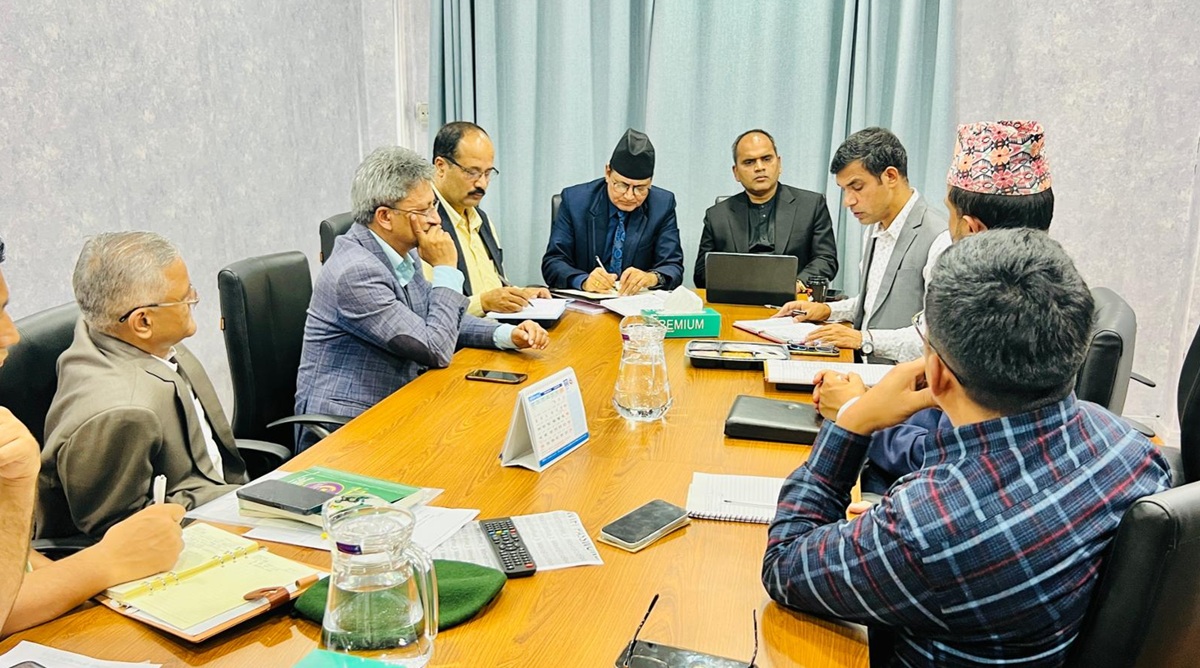
The recommendations were made during a consultation organised by the Ministry of Education and Sports with officials and stakeholders from schools established for specific purposes as part of the process of drafting the Education Act.
The meeting, chaired by Shailendra Jha, chief adviser to the education minister, was held at the ministry in Singha Durbar. Discussions focused on the operation and management of special-purpose schools, policy and legal provisions, financial management and the quality of teaching and learning.
Participants stressed the need for appropriate legal and policy provisions to integrate these schools into the mainstream national school education system. They also discussed coordination among the three tiers of government, greater accountability in administrative processes and the development of suitable operational models.
Jha said the consultation aimed to address the operation and management of special-purpose schools through policy and determine an appropriate framework for their future operation.
Ministry Joint Secretary Shiv Kumar Sapkota said policy and structural reforms would be introduced as needed to improve the operation and management of schools established for specific purposes.
Representatives from military schools, police schools, SOS schools, civil service schools, Gandaki Boarding School, Budhanilkantha School and Shahid Smriti School attended the discussion.
Representatives of participating schools raised concerns over difficulties in increasing enrolment at institutions established to ensure access to education for children affected by conflict. They also cited shortages of sanctioned teaching positions and management challenges.
They called for the Education Act to explicitly recognise special-purpose schools, allow them to operate autonomously and establish a system that ensures quality education within a unified framework.





Comment