




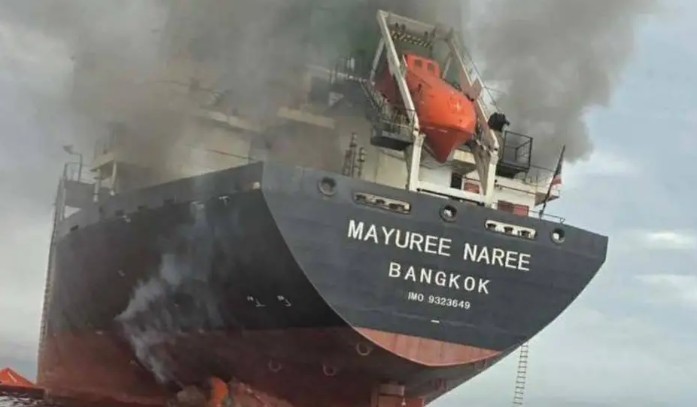
WASHINGTON DC: The United States and Iran have indicated that their ongoing conflict may not end soon. Donald Trump said the military campaign must be completed, while Tehran warned that global oil prices could surge to $200 per barrel after attacks on fuel tankers in Iraq and vessels near the strategically important Strait of Hormuz.
The conflict, triggered nearly two weeks ago by joint airstrikes from the United States and Israel, has reportedly resulted in around 2,000 deaths—mostly in Iran and Lebanon. The fighting has spread into Lebanon and severely disrupted global energy markets and transportation systems, Reuters stated.
According to UNICEF, more than 1,100 children have either been killed or injured during the hostilities.
Speaking at a campaign-style rally in Kentucky ahead of the November midterm elections—where his Republican Party is reportedly trailing—Trump claimed the United States had already “won” the war but emphasized the need to fully conclude the mission. “We don’t want to leave early, do we?” he told supporters on Wednesday. “We have to finish the job.”
Global oil prices, which had climbed to nearly $120 per barrel earlier in the week before falling back to around $90, rose again by nearly 5% on Wednesday and continued increasing during Asian trading on Thursday amid renewed concerns about supply disruptions. Meanwhile, major stock indexes on Wall Street declined.
Despite heavy airstrikes described by the Pentagon as the most intense since the conflict began, Iran continued retaliatory attacks on Wednesday, targeting locations in Israel and across the Middle East to demonstrate its ongoing military capability.
Reports from port authorities, maritime security groups, and risk assessment firms indicate that Iranian explosive-laden boats attacked two fuel tankers in Iraqi waters, setting them on fire and killing one crew member. Projectiles also struck three other vessels in Gulf waters.
The IEA, representing major oil-consuming countries, recommended releasing 400 million barrels from global strategic reserves—one of the largest such interventions since the oil crises of the 1970s.
Trump said the decision by the agency would help lower oil prices while the United States continues addressing what he called a threat to both America and the global community.
U.S. Energy Secretary Chris Wright also announced that Trump had approved the release of 172 million barrels from the U.S. Strategic Petroleum Reserve starting next week.
Since the conflict began, several ports and cities in the Gulf region, along with locations in Israel, have been targeted by Iranian drone and missile strikes, further escalating tensions across the region.
(Inputs from Reuters)






Comment