




KATHMANDU: A jury in the US state of Virginia on Tuesday found Naresh Bhatt guilty of first-degree murder in the death of his wife, Mamta Kafle Bhatt, rejecting his claim that she had died by suicide, according to US media reports.
The jury also convicted the 39-year-old of concealing and defiling his wife’s body, concluding a trial that followed Mamta’s disappearance in July 2024. Her remains have yet to be recovered, CNN reported.
During his testimony last week, Bhatt told the court that he found Mamta unconscious on the bedroom floor on July 30, 2024. He claimed he attempted to revive her for between 45 minutes and an hour but was unsuccessful. He further testified that he panicked and, fearing he would be held responsible for her death, used a saw to dismember her body before placing the remains in rubbish bags and disposing of them.
Bhatt denied murdering his wife and maintained that she had taken her own life. However, his testimony differed from his initial account to police, when he claimed Mamta had left their home and might have travelled to New York or Texas.
Prosecutors argued that Bhatt killed Mamta on or around July 30, 2024, dismembered her body and disposed of the remains in rubbish bags at various locations across Northern Virginia.
To support their case, prosecutors presented forensic findings, surveillance footage, phone records and evidence of digital searches.
Investigators discovered reddish-brown stains and hair-like material on a power saw that prosecutors said Bhatt had purchased from a Home Depot store in June 2024. DNA analysis found that samples collected from the saw, including swabs taken from its interior, were consistent with Mamta’s DNA profile.
Forensic experts also testified that DNA recovered from a stained section of the couple’s bedroom carpet strongly supported Mamta and the couple’s daughter as contributors to a DNA mixture. The defence, however, argued that the forensic findings could not establish how the blood had come to be on the carpet.
Prosecutors further presented surveillance footage showing Bhatt purchasing rubbish bags and cleaning products around the time of Mamta’s disappearance. Phone and vehicle records were also used to establish his movements, including trips to rubbish compactors.
The trial also examined the couple’s troubled relationship. Mamta’s brother, Mahesh Kafle, testified that his sister had sent him a photograph showing what appeared to be an injury to her face and had expressed concerns about her safety. Friends and other witnesses also described tensions between the couple.
During cross-examination, Bhatt acknowledged that he had lied to Mamta’s relatives, friends, neighbours and police about the circumstances surrounding her disappearance.
According to media reports, Bhatt showed little emotion as the verdict was read on Tuesday and briefly consulted with his attorney.
Members of Mamta’s family embraced one another following the announcement, while one family member thanked a prosecutor.
Under Virginia law, Bhatt faces a prison sentence of 20 years to life for first-degree murder, in addition to a possible sentence of up to five years for each of the two charges related to concealing and defiling the body. His sentencing has been scheduled for March 12. The judge also revoked his bond following the verdict.
“This verdict represents an important measure of justice for Mamta Kafle Bhatt, whose life was tragically taken and whose family has endured more than two years of unimaginable pain and uncertainty,” Amy Ashworth, the Commonwealth’s attorney for Prince William County and the cities of Manassas and Manassas Park, said in a statement.
Ashworth expressed hope that the verdict would help the family move forward, knowing that Mamta’s life mattered, her story had been heard and the person responsible had been held accountable.
The case attracted widespread attention among Nepali communities in the United States and Nepal following Mamta’s disappearance in July 2024. Originally from Nepal, Mamta worked as a nurse in the United States.
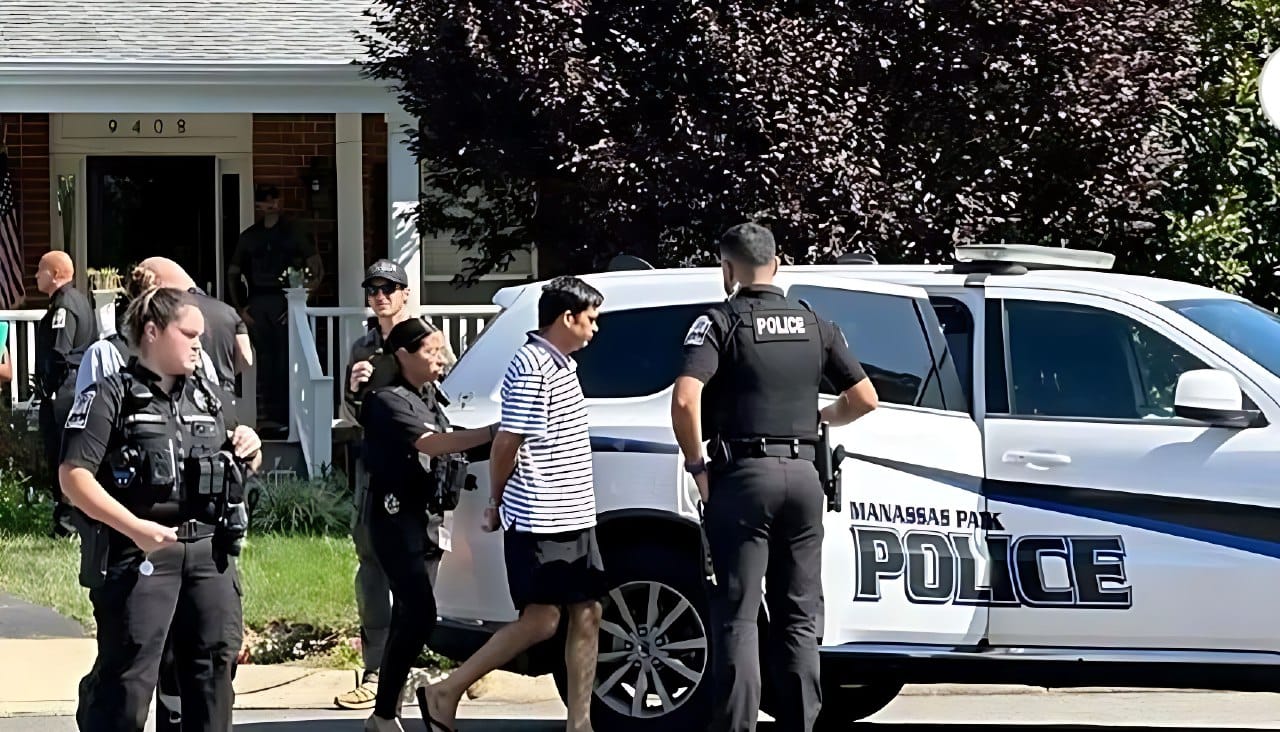
Concern grew after she stopped reporting to work and became unreachable. Bhatt initially told investigators that she had left their home. Police later arrested him as evidence pointing to her death and the disposal of her body emerged.
Despite Bhatt’s testimony that he had dismembered and disposed of her body, investigators have not yet recovered Mamta’s remains.
(With inputs from US media)






Comment