




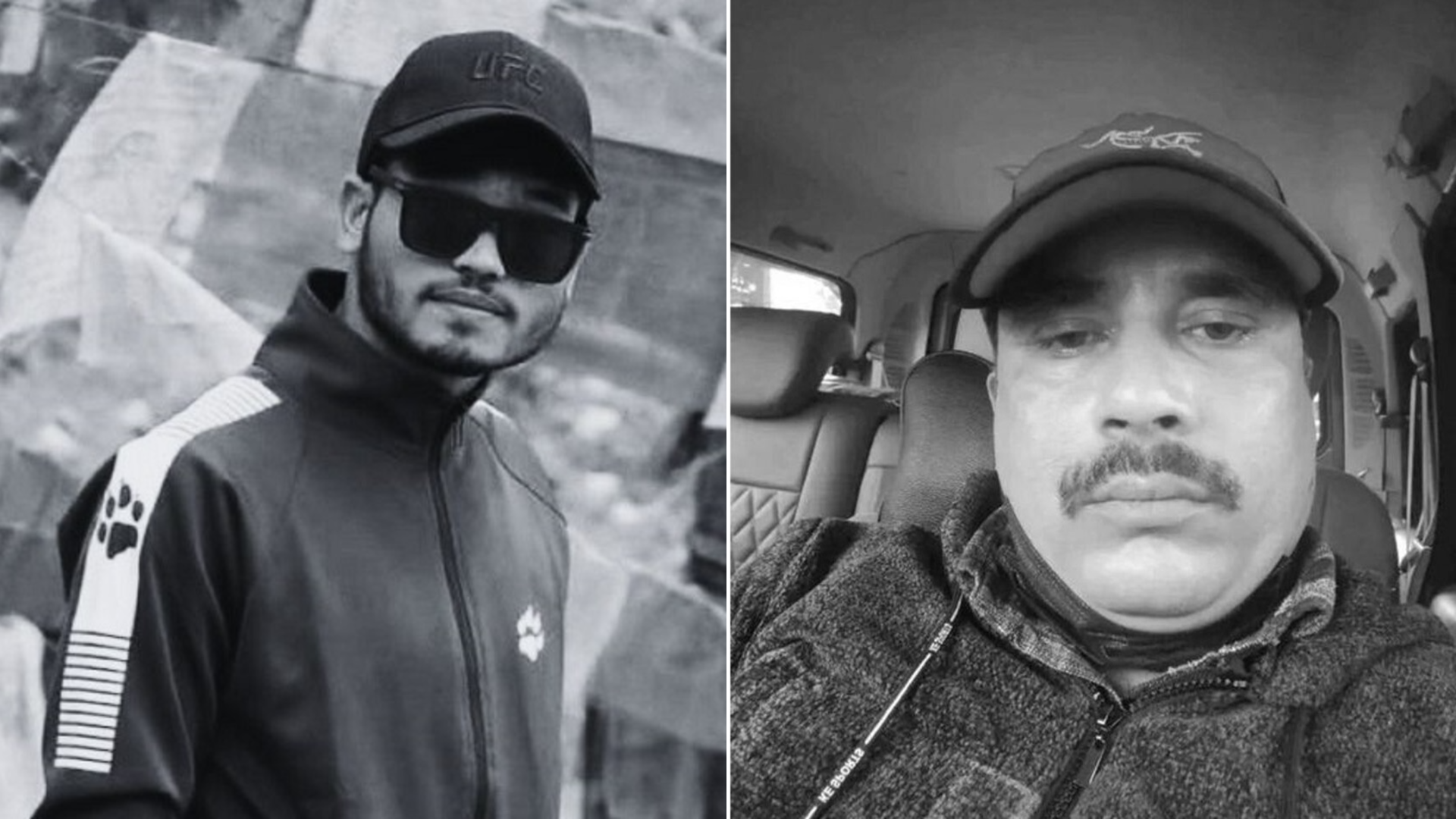
KATHMANDU: The deaths of two men in separate self-immolation incidents, three years apart, have renewed public debate over the challenges faced by ordinary citizens seeking to earn a living in Nepal.
In January 2023, entrepreneur Prem Prasad Acharya set himself on fire outside the Federal Parliament building in New Baneshwor. Three years later, 25-year-old Ganesh Nepali of Mugu also succumbed to injuries after setting himself on fire outside the Department of Passports in Tripureshwor.
Both men died while undergoing treatment.
Ganesh, who had travelled from remote Soru Rural Municipality in Mugu in search of employment, earned his living by working as a ride-hailing motorcycle driver.
According to witnesses, an altercation broke out after Kathmandu Metropolitan City police placed a wheel lock on his motorcycle, alleging it had been parked in a no-parking zone. Videos circulated on social media showed him expressing frustration over what he claimed was unfair treatment before he set himself on fire using petrol from his motorcycle.
The incident has drawn comparisons with the case of Prem Prasad Acharya, a small entrepreneur who publicly protested economic hardship before setting himself on fire outside Parliament.
Before his death, Acharya had published a lengthy statement on social media describing the difficulties faced by small business owners, including high bank interest rates, economic challenges and what he viewed as inadequate government support.
The two incidents have sparked renewed discussion over the treatment of workers, entrepreneurs and service seekers, as well as the responsiveness of public institutions.
Following Acharya’s death in 2023, several political leaders described the incident as a reflection of broader governance challenges and called for greater state accountability. After Ganesh Nepali’s death, social media users and commentators have again questioned whether sufficient progress has been made in addressing the concerns raised by citizens struggling to secure their livelihoods.
The latest incident has intensified calls for authorities to ensure that law enforcement and public service delivery are carried out with greater sensitivity while upholding the rule of law.
Although the circumstances surrounding the two cases differed, both have prompted wider public debate over citizens’ access to dignified livelihoods, government accountability and the need for more responsive public institutions.






Comment