




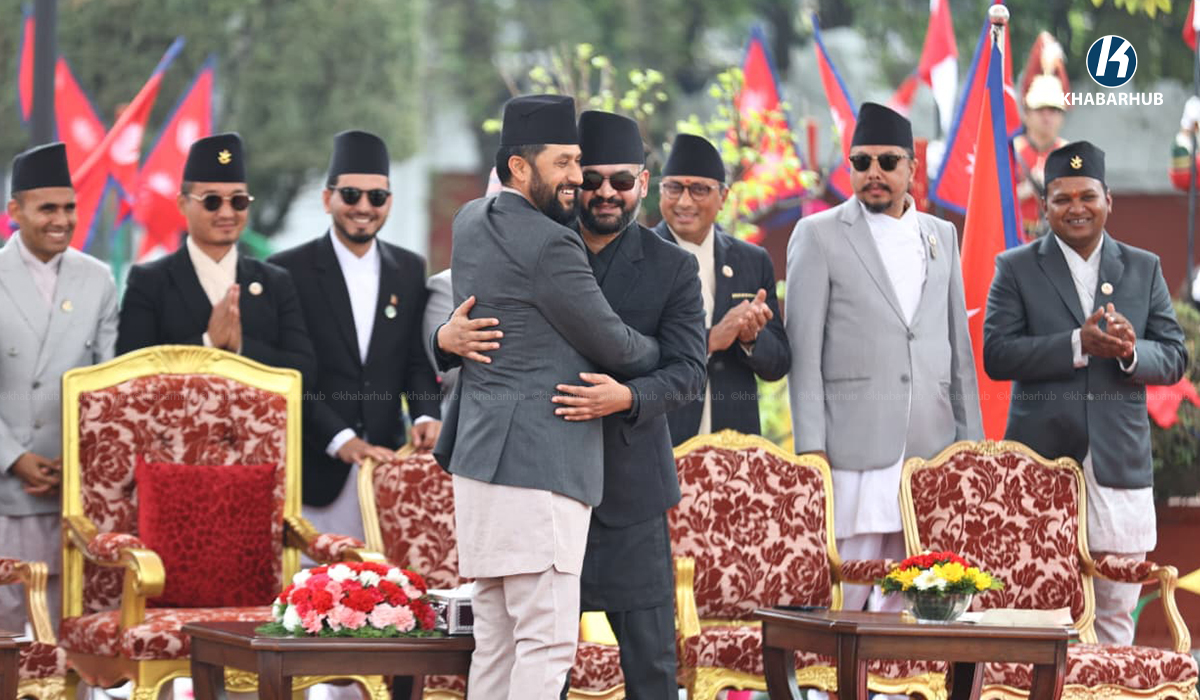
KATHMANDU: In less than two months after assuming office, decisions taken by Prime Minister Balen Shah have come under growing criticism, putting the nearly two-thirds majority government under increasing pressure.
The government, formed by the ruling Rastriya Swatantra Party with 182 seats, just two short of a two-thirds majority, is now facing questions even from within party circles over a series of controversial decisions.
However, party leaders deny any internal conflict regarding the government’s activities. Party treasurer Lima Adhikari said Prime Minister Shah and party chair Rabi Lamichhane are working in close coordination.
“The opposition will naturally criticize us in every way, but within the party, decisions are being made collectively. We have entrusted both Chair Rabi Lamichhane and Prime Minister Balen Shah with authority,” Adhikari said. “There is good coordination between them. There is no reason for suspicion or concern.”
Rabi Lamichhane defends government amid criticism
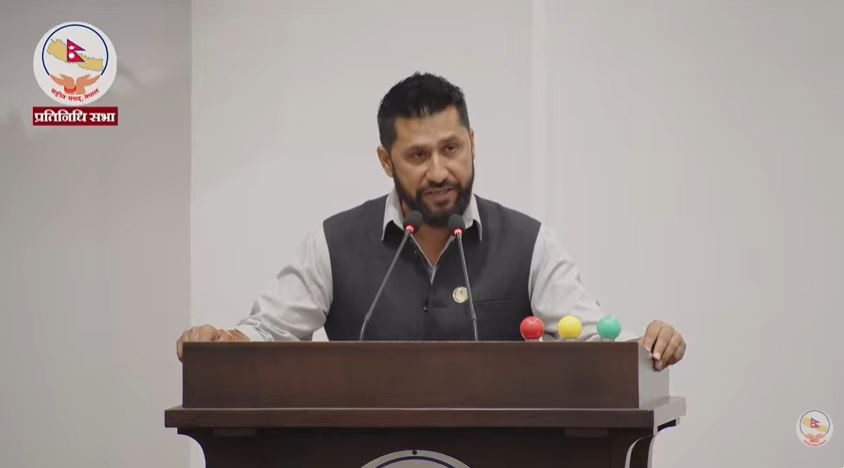
In recent months, a political trend has emerged in which prime ministers avoid directly responding to controversies, while party leaders step in to defend the government. In Shah’s case, it has often been Lamichhane who publicly responds to criticism.
On Sunday, Lamichhane defended the government, saying it had not carried out any controversial acts and urging critics to be patient and observe the government’s work objectively.
He claimed all major government decisions had been discussed between himself and the prime minister and said both leaders laugh at the public criticism directed toward them.
“We came through a political movement, so we will naturally be criticized if we fail to deliver results,” Lamichhane said. “But we are working within constitutional and legal boundaries.”
Regarding the eviction of squatters, he said he was ready to “stand in front of the bullets” if necessary. On the appointment of the chief justice, he said he would even be ready to “offer his neck” if the decision was proven unconstitutional.
Five major controversies surrounding the government
The government has faced criticism over several recent decisions, including the Sudhan Gurung case, squatter evictions, ordinances bypassing Parliament, the chief justice appointment process, and plans to dissolve student unions and trade unions.
Sudan Gurung controversy
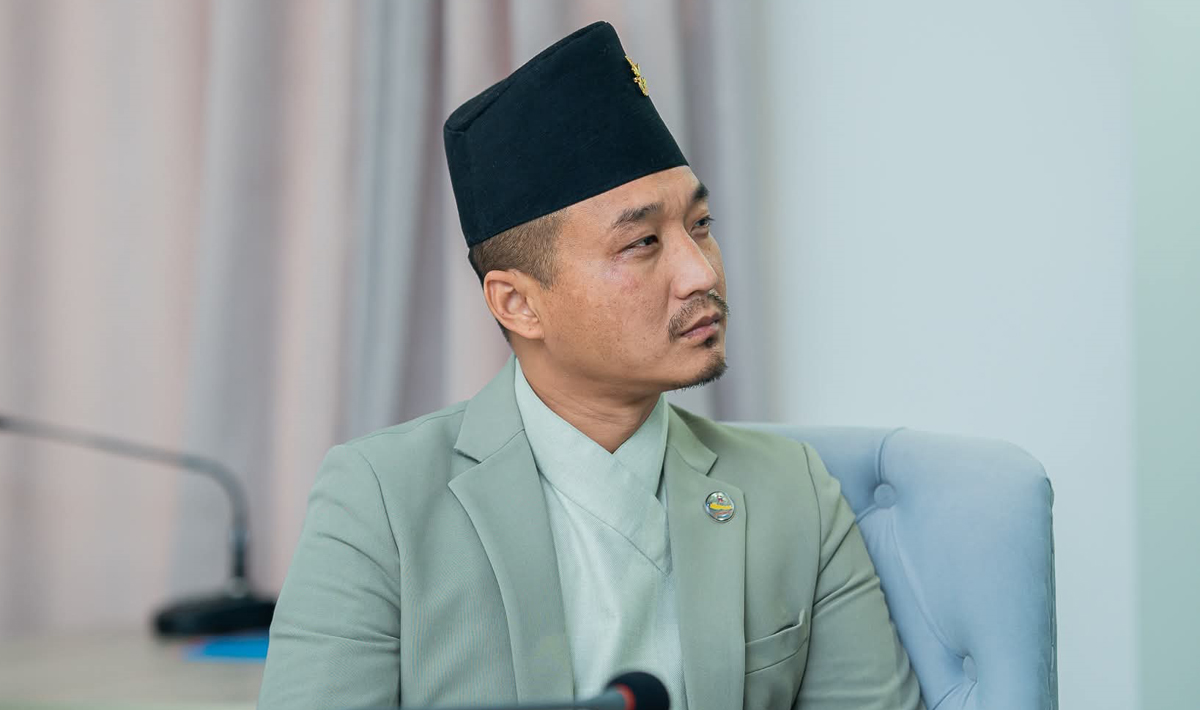
Within just 26 days of the government’s formation, Prime Minister Shah was forced to lose two ministers. Labour Minister Deepak Shah was dismissed after allegations surfaced that he had secured a job for his wife through influence.
Similarly, Home Minister Sudhan Gurung resigned over allegations linked to share transactions involving controversial individuals. Critics say the government has yet to initiate a proper investigation into the matter, while Shah has reportedly kept the Home Ministry portfolio vacant in hopes Gurung may return cleared of allegations.
Squatter eviction backlash
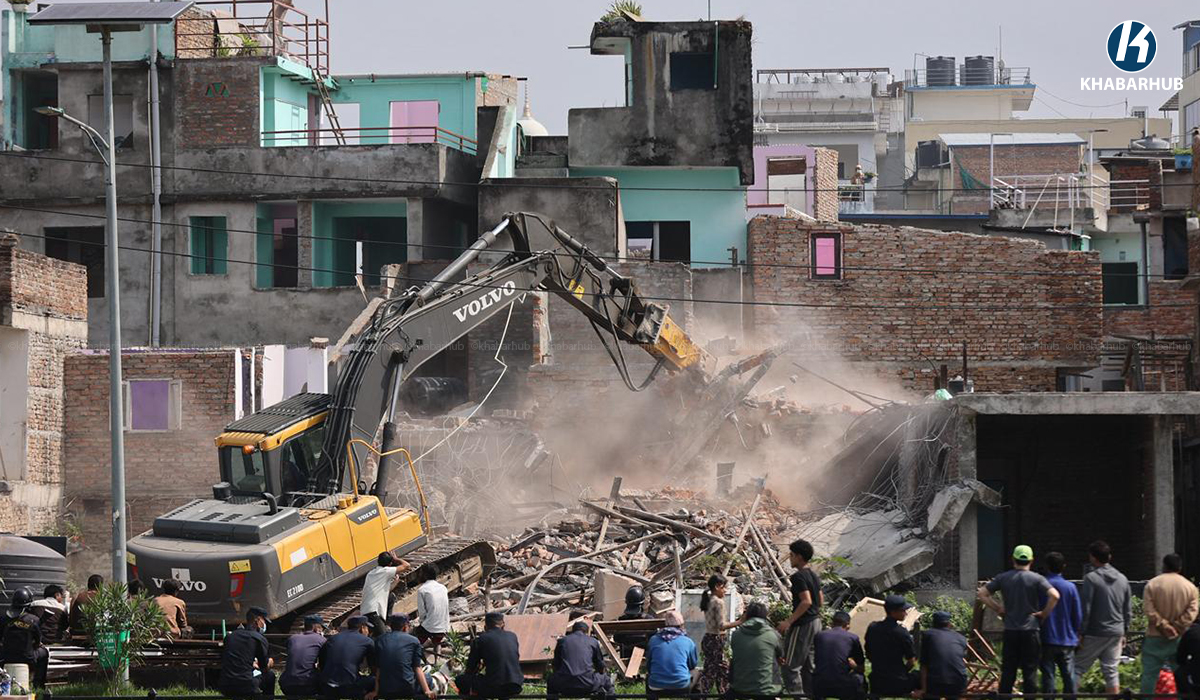
The government has drawn the sharpest criticism over its bulldozer operations against squatter settlements in the Kathmandu Valley. Thousands of people living on public land have reportedly been displaced and moved to temporary holding shelters.
Critics argue the government failed to provide viable alternatives before carrying out the evictions. Rights activists and members of the public have described the move as irresponsible and even “state terror.”
Ordinances bypassing Parliament
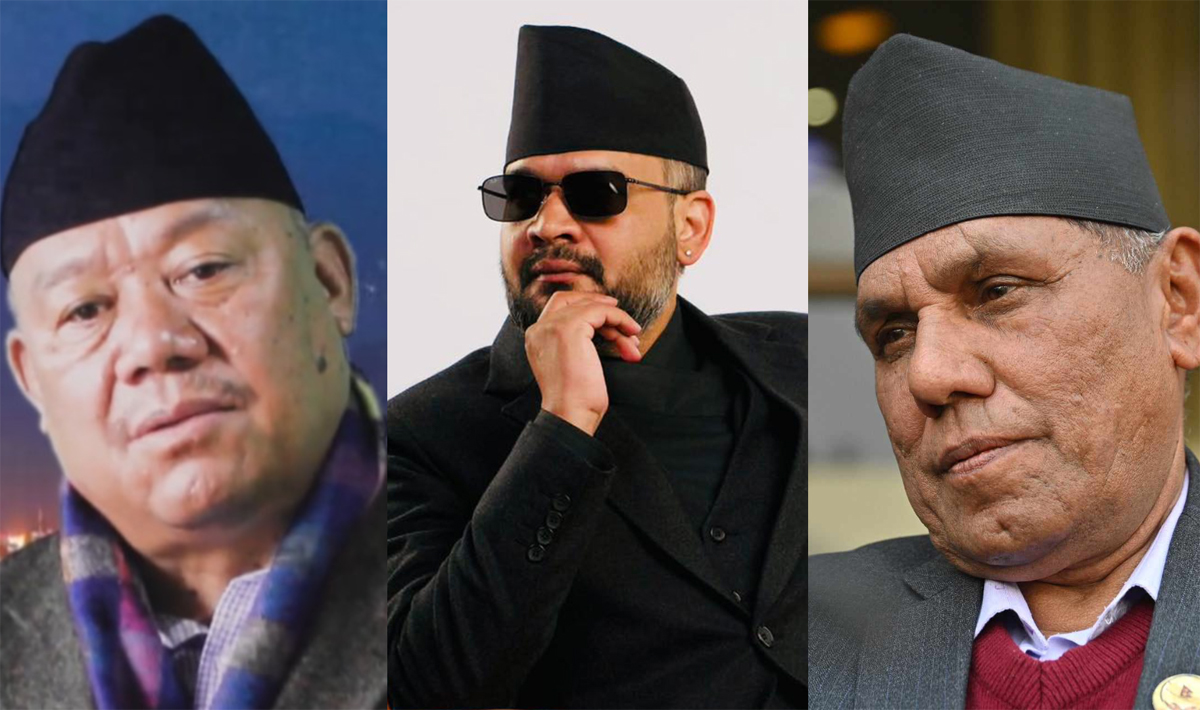
The government also faced backlash after postponing a parliamentary session it had itself recommended, only to send a series of ordinances to President Ram Chandra Poudel for authentication.
Legal experts, opposition leaders and constitutional scholars have criticized the move, arguing that bypassing Parliament undermines lawmakers’ constitutional rights.
Chief justice appointment dispute
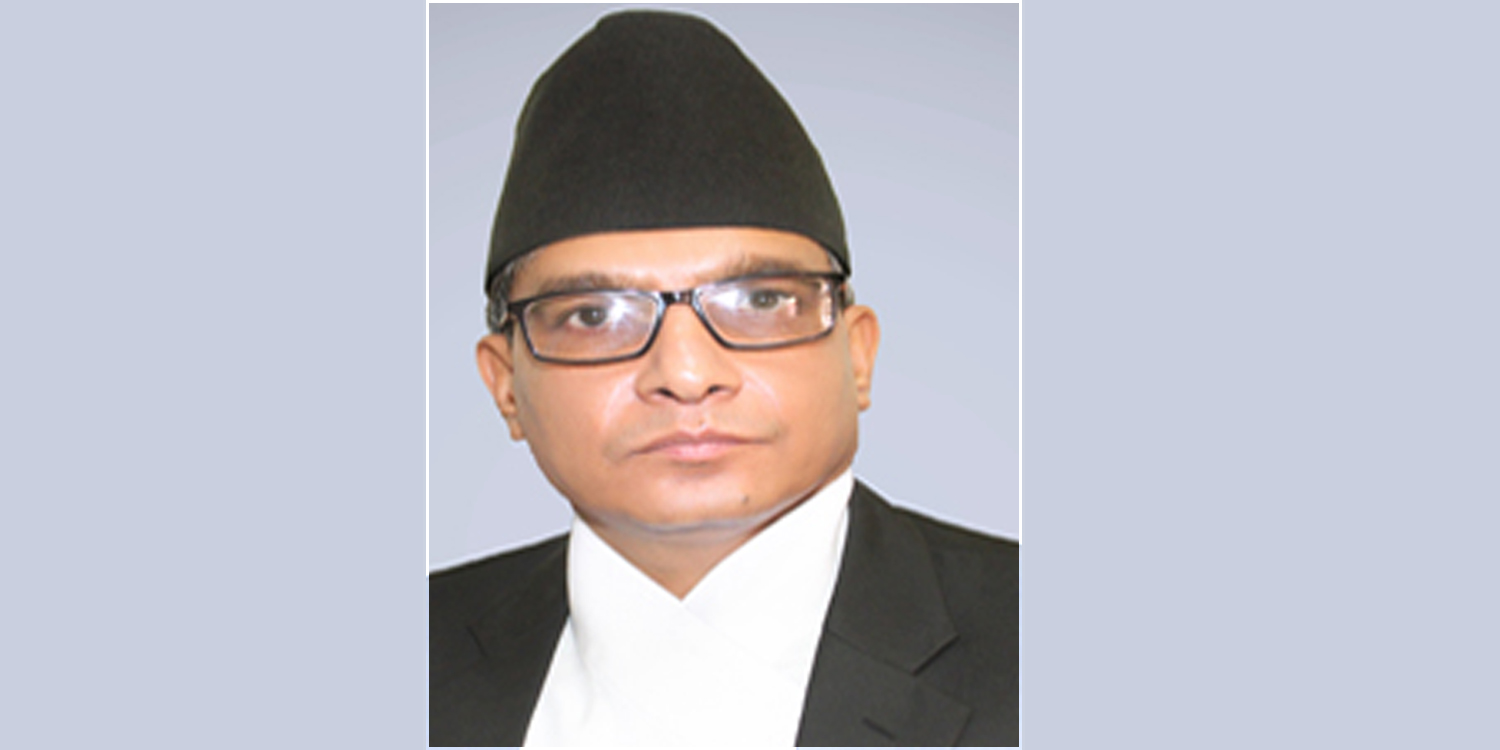
Another major controversy emerged after the government recommended Dr. Manoj Kumar Sharma as chief justice instead of acting Chief Justice Sapana Pradhan Malla, who was senior in rank.
The recommendation was made despite objections from opposition leaders and members of the Constitutional Council. Critics say the government broke long-established judicial convention by overlooking seniority.
Former chief justice and former prime minister Sushila Karki also strongly criticized the decision.
Speaking at a Law Day event on Saturday, Malla appeared to indirectly target the government in an emotional speech.
“There can be no justice under fear and influence — even if that fear comes from a two-thirds majority government or impeachment threats,” she said.
She warned that actions undermining legal procedures and constitutional norms reflected authoritarian tendencies.
Rabi’s response to the judiciary criticism
Responding on Sunday, Lamichhane insisted that no injustice had been committed in the chief justice appointment process. Addressing lawmakers during a training program, he said the Constitutional Council had acted according to constitutional procedures and majority voting.
“If the process itself is flawed, then let us discuss constitutional amendment,” he said.
He also challenged critics directly, saying: “If you are angry with me, my neck is still there at the Supreme Court. Use your weapon if you wish.”
Lamichhane argued that the dignity and credibility of the judiciary should not be turned into a matter of street politics.
Experts urge restraint and caution
Constitutional expert Bipin Adhikari said the government’s attempt to move too quickly had resulted in serious mistakes.
“The government has already slipped in many areas. It now needs to proceed more carefully and calmly,” he said. “In trying to fulfill its promises rapidly, it has committed several errors.”
Former Energy Minister Kulman Ghising also warned the government against rushing decisions in an attempt to satisfy public expectations.
“The government has a full five-year mandate. It should not act with the mindset of ‘eat while it’s hot even if it burns you,’” Ghising said. “Many recent decisions have already become controversial. The government should avoid populism and move forward while respecting constitutional and legal boundaries.”






Comment