




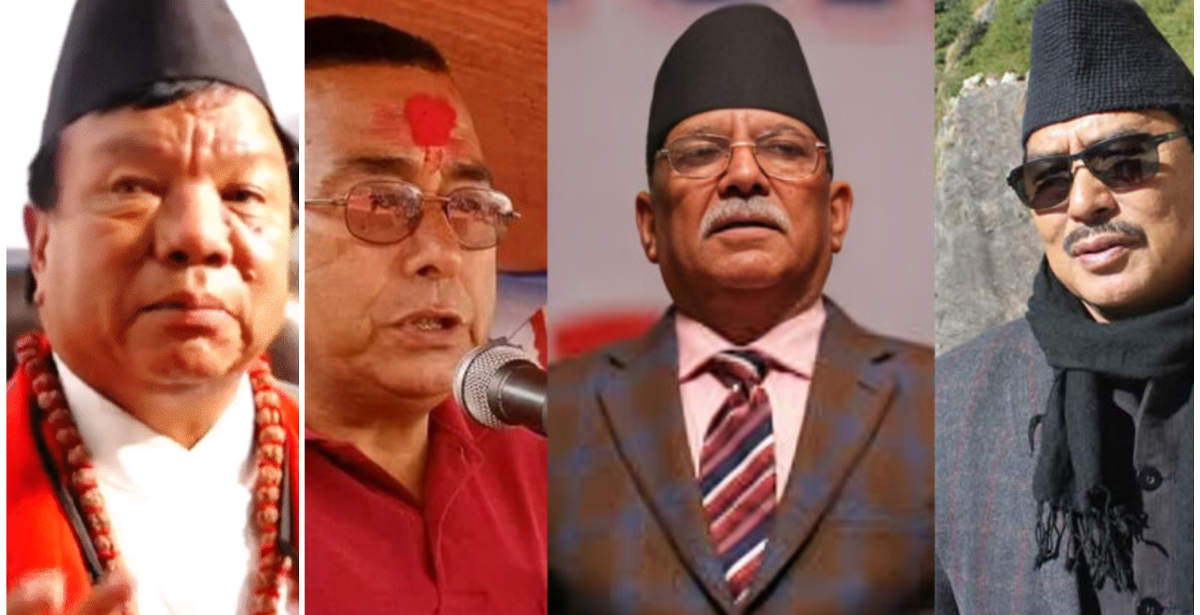
KATHMANDU: The number of lawmakers above 70 years of age in the upcoming House of Representatives appears to be very limited, with only a handful elected through the first-past-the-post system.
According to the Election Commission Nepal, only four leaders aged 70 or above have secured victories in the 165 constituencies elected under the direct voting system.
Among them, Tek Bahadur Gurung of the Nepali Congress is currently the oldest elected lawmaker at 71. Independent candidate Mahabir Pun is also 71, while Pushpa Kamal Dahal of the Nepali Communist Party and Nepali Congress leader Bharat Kumar Swar are 70.
No leaders aged above 70 have been elected from the CPN-UML or the Rastriya Swatantra Party.
The data suggests that the upcoming Parliament will have relatively fewer senior politicians compared to previous legislatures.
Senior-most member to administer oath
Nepal’s constitutional provision states that the senior-most member of the House administers the oath to newly elected lawmakers until a Speaker and Deputy Speaker are elected.
After the 2022 elections, Pashupati Shamsher Rana had administered the oath as the oldest member, while after the 2017 elections Mahantha Thakur performed the same role.
With the proportional representation results yet to be finalized, the final list of the oldest lawmakers will be confirmed later.
Older leaders in other age groups
While leaders above 70 are few, several lawmakers above 60 have secured victories.
From the Nepali Congress, besides Gurung and Swar, senior leaders include Bharat Kumar Khadka (68) and Prakash Singh Karki (62).
From the CPN-UML, leaders above 60 who have won include Arjun Kumar Karki (62) and Laxmi Prasad Pokhrel (63).
Meanwhile, the Rastriya Swatantra Party has no winners above 70. Its oldest elected lawmaker is Devaraj Pathak, aged 60, elected from Dang-1. Another senior leader from the party is Bikram Thapa, aged 63.
The data indicates that many newly elected lawmakers are comparatively younger, suggesting a gradual shift in the age profile of Nepal’s Parliament.




Comment