




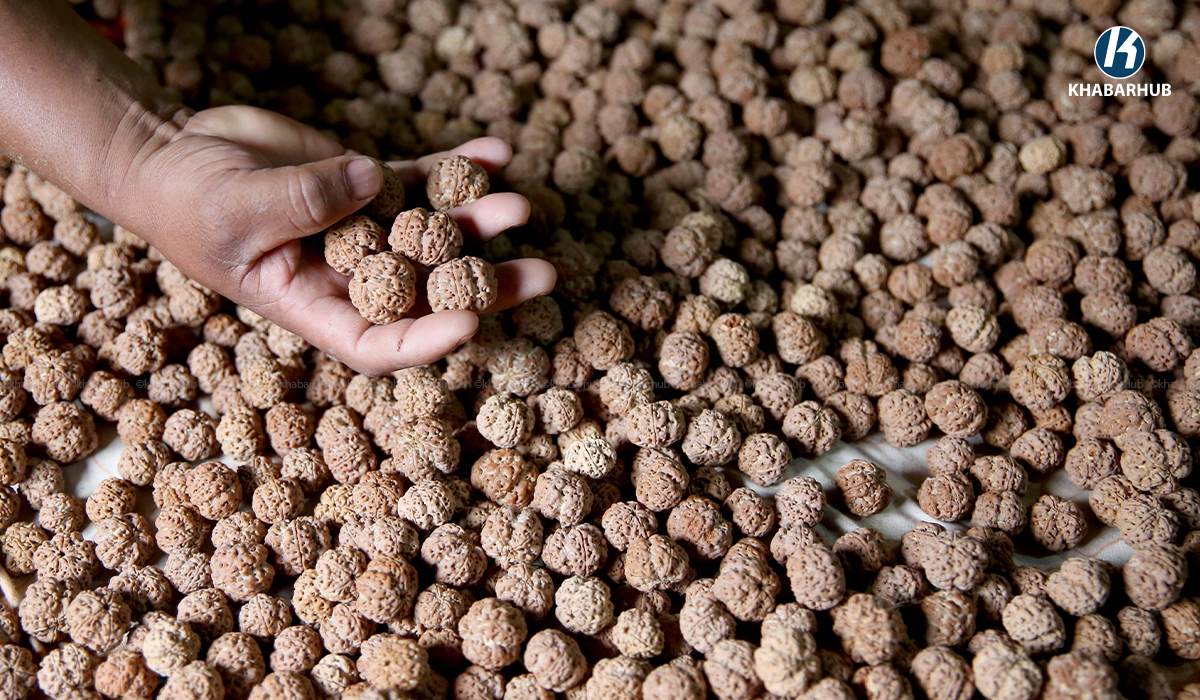
KATHMANDU: The eastern hill district of Bhojpur is fast gaining recognition as one of Nepal’s leading centers for Rudraksha cultivation, alongside its traditional identity linked to orange and cardamom farming.
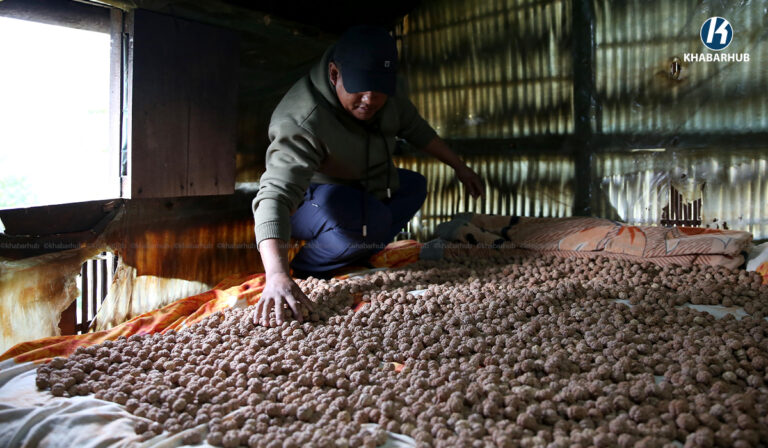
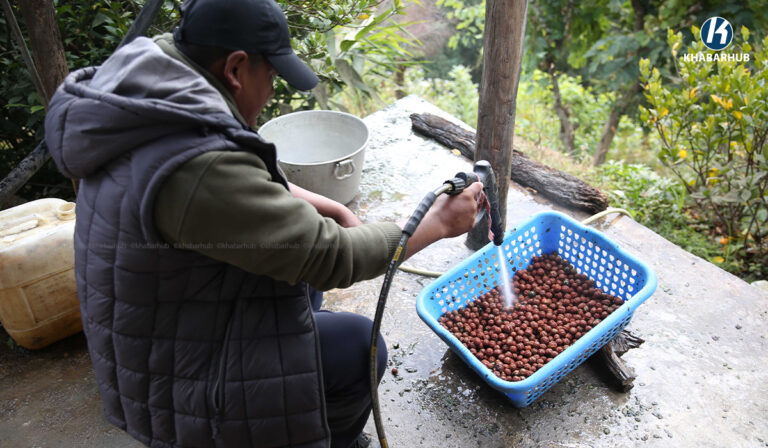
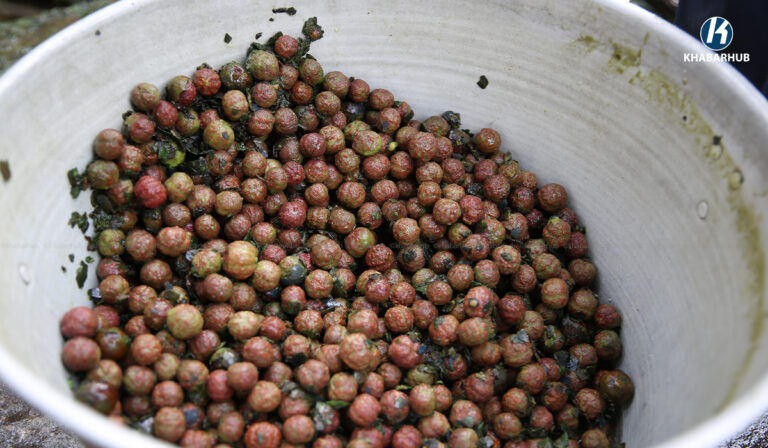
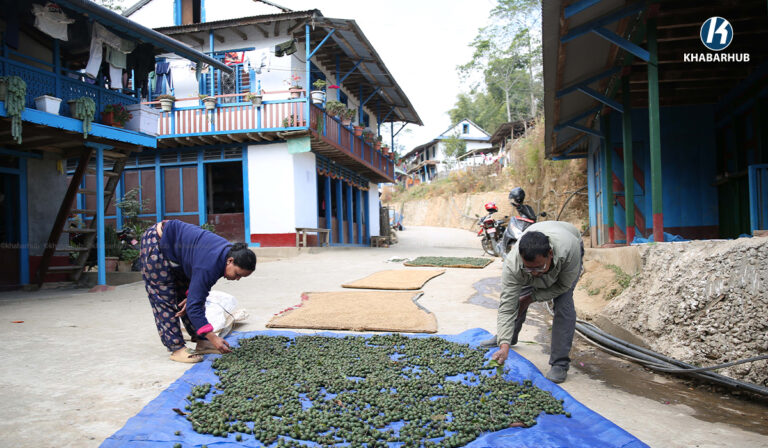
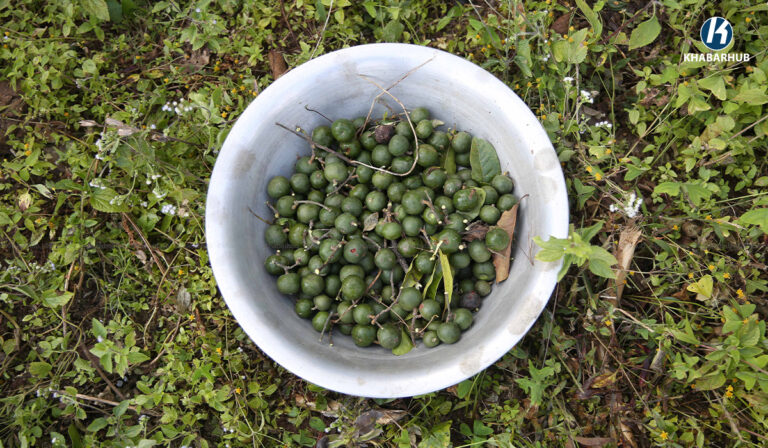
Rudraksha, which holds religious, cultural and economic significance, has become a major source of income for local farmers as its commercial cultivation expands across the district. Bhojpur’s favorable climate and soil have proved ideal for Rudraksha production, leading to a steady rise in both plantations and farmer earnings.
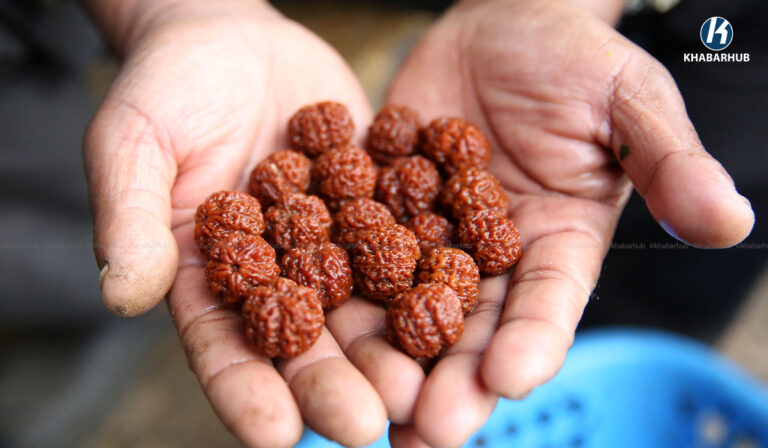
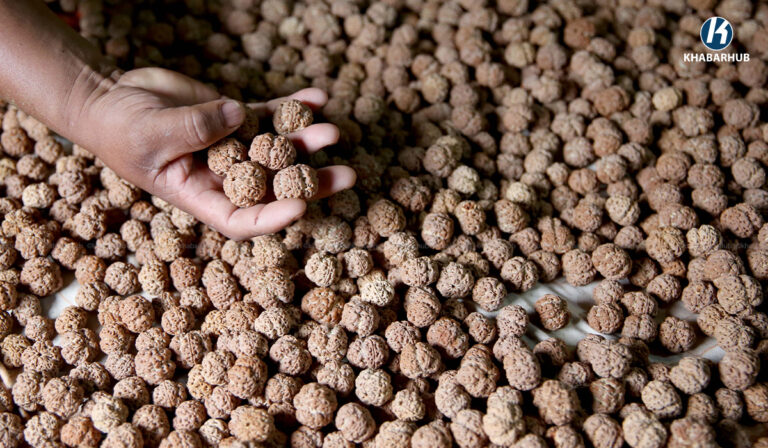
“There are around 100,000 Rudraksha plants here, and this municipality has become the Rudraksha capital of Nepal. We are generating nearly Rs 1 billion from the Rudraksha trade. We sell Rudraksha ranging from one-mukhi to 29-mukhi, and prices vary according to the number of faces. One farmer here sold a 21-mukhi Rudraksha to a trader for Rs 7.4 million,” said Surendra Kumar Udas, Mayor of Shadanand Municipality.
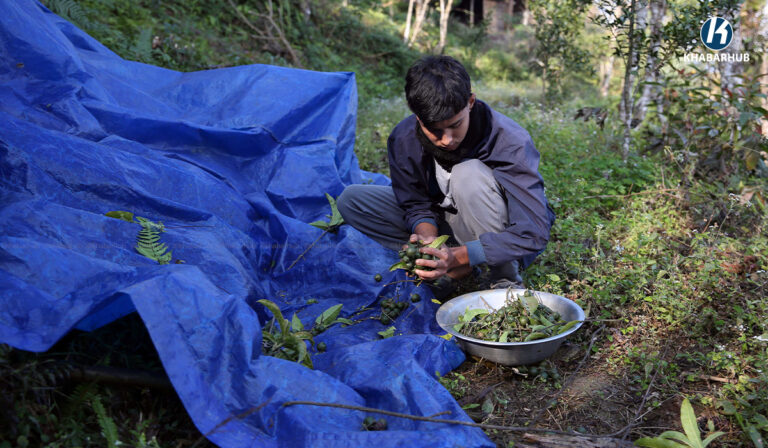
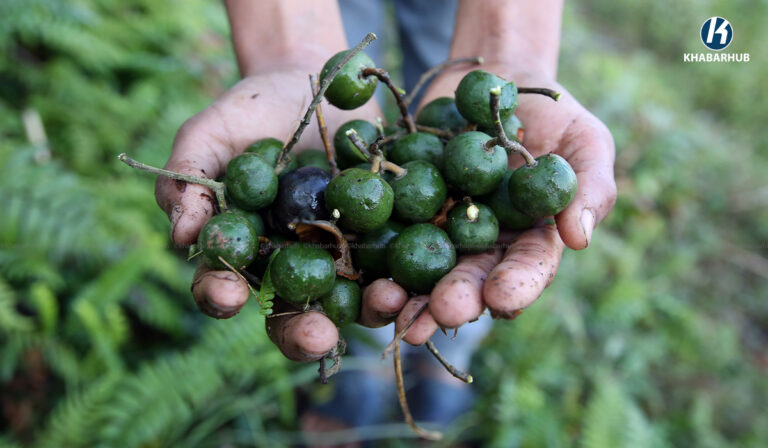
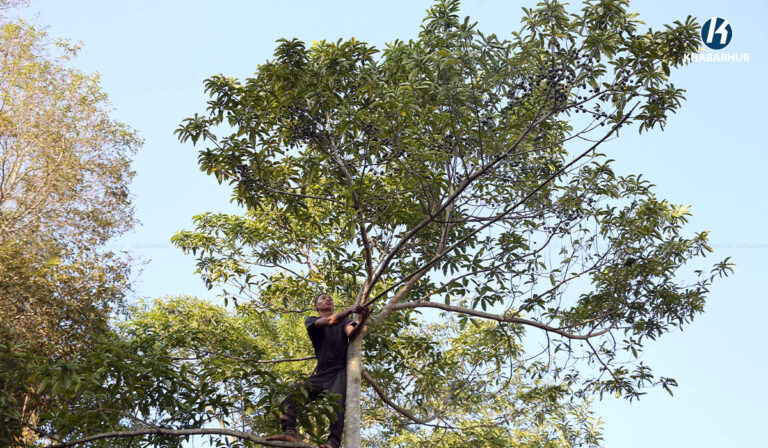
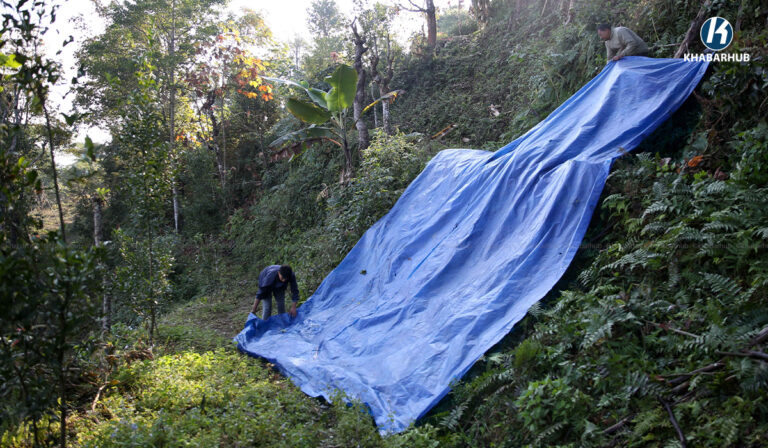
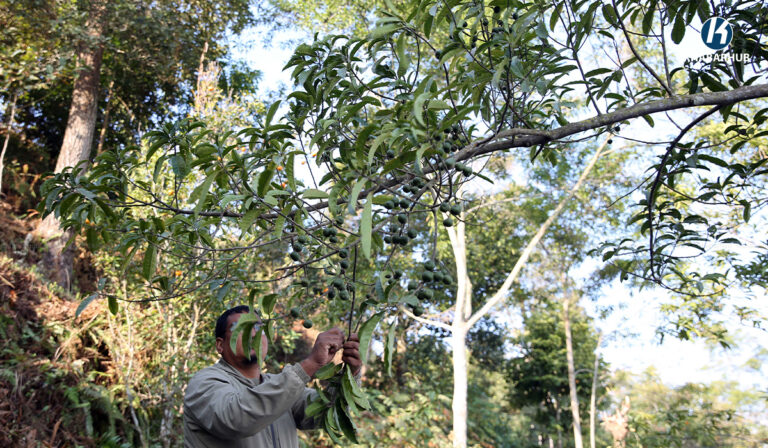
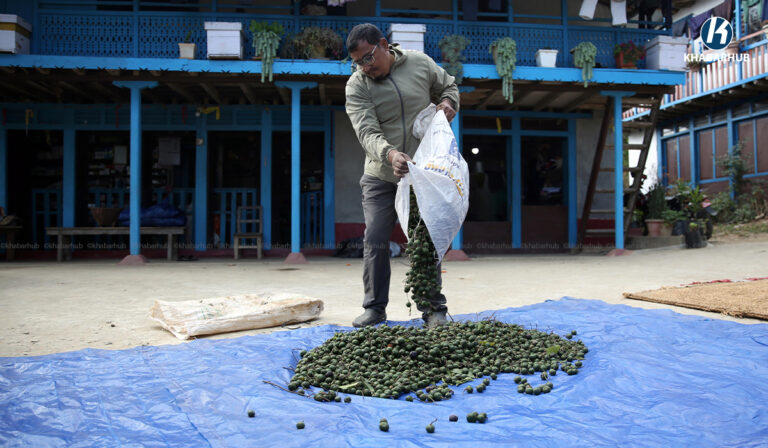
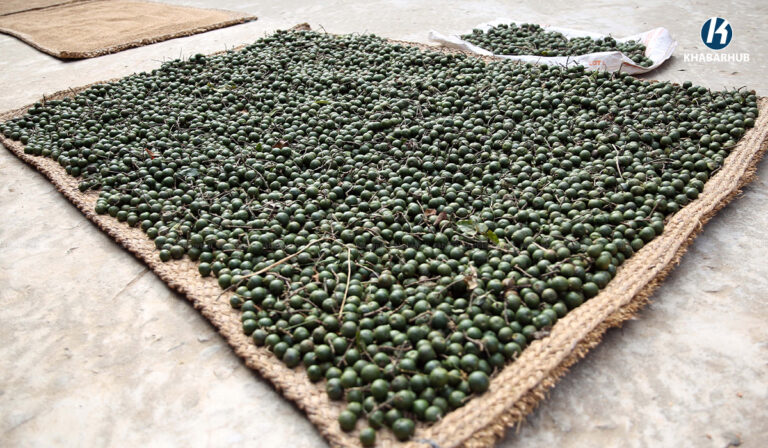
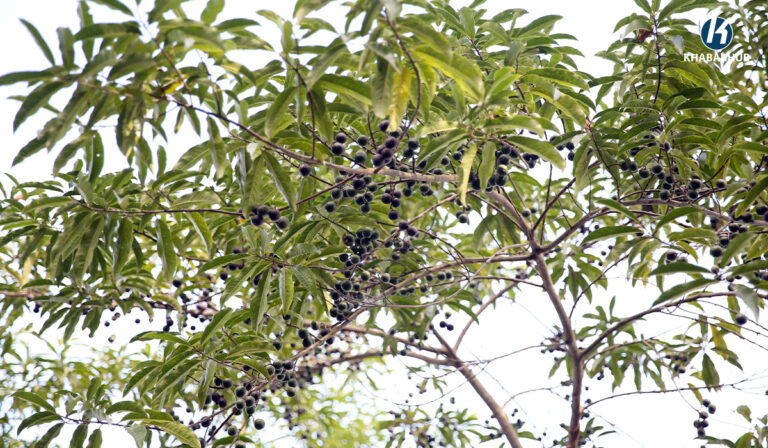
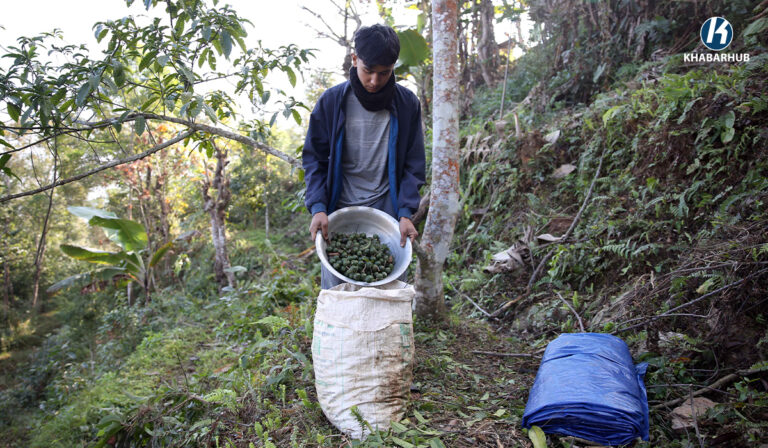
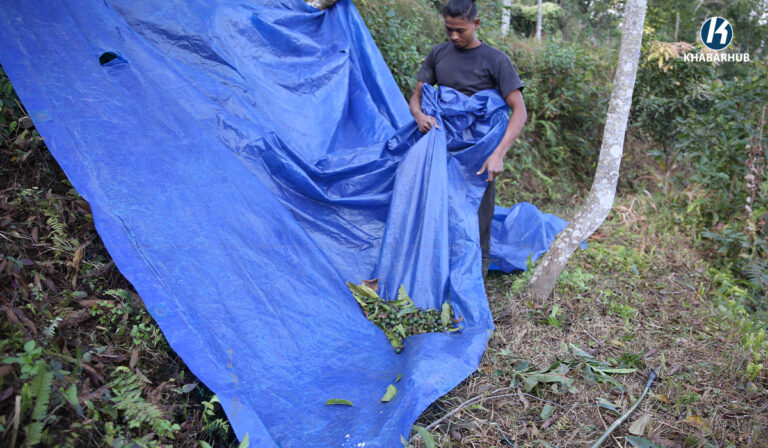
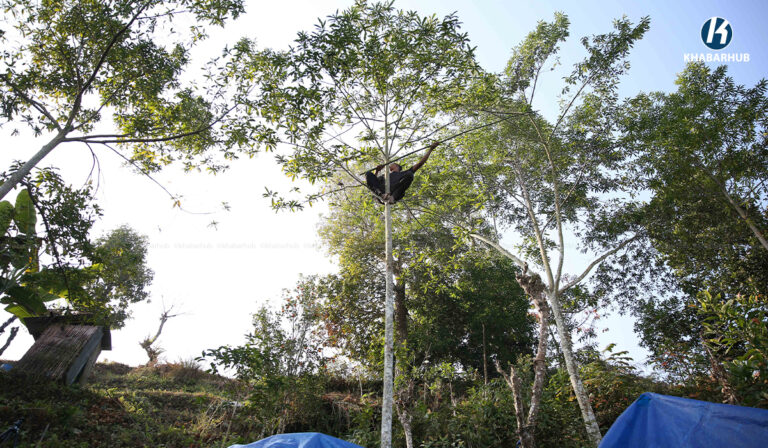
Rudraksha orchards are now expanding across different wards of Salpasilichho, Shadanand, Ramprasad Rai and Temkemaiyung rural municipalities. What was once found naturally in forests is now being cultivated commercially, turning Rudraksha into a long-term agricultural investment for farmers.
Local growers say that although Rudraksha farming requires patience, once the trees start producing, they can generate stable income for many years.
Rudraksha produced in Bhojpur is used not only for religious purposes but also for decoration and personal adornment. Farmers and entrepreneurs make products such as garlands, bracelets, necklaces, earrings, rings and various ritual items from locally grown Rudraksha.
Currently, Rudraksha and Rudraksha-based products from Bhojpur are supplied to major Nepali markets including Kathmandu, Dharan and Biratnagar, and are also exported to India and China, further boosting the district’s rural economy.
Photos: Nepal Photo Library





Comment