




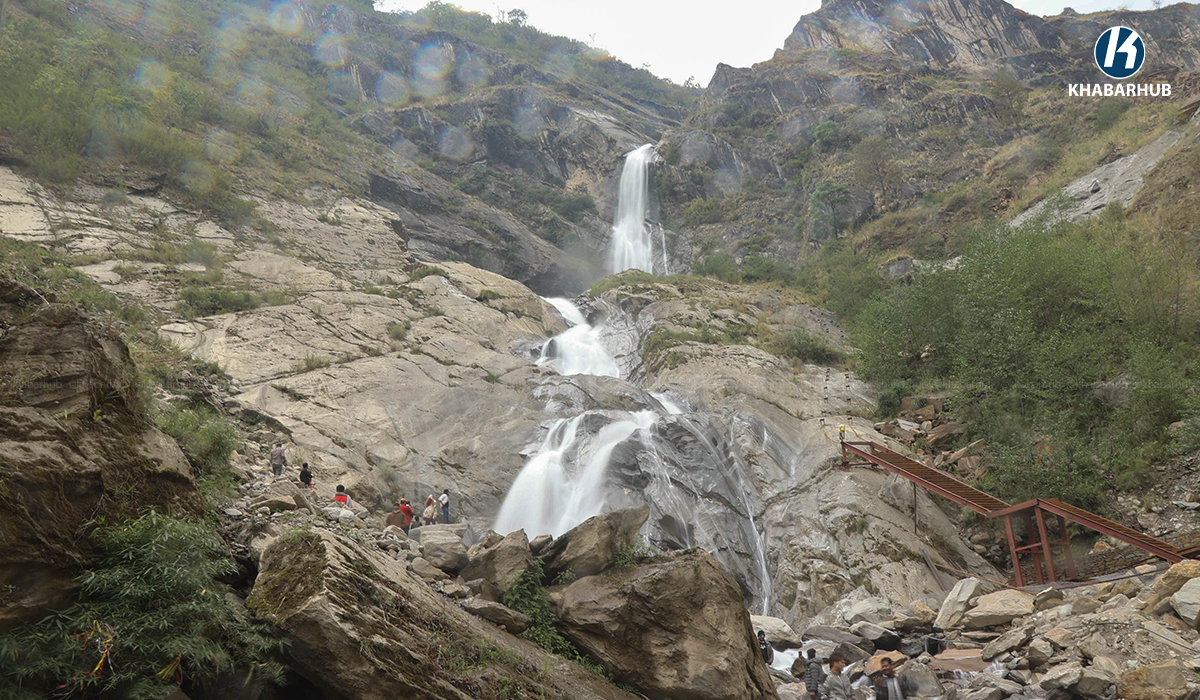
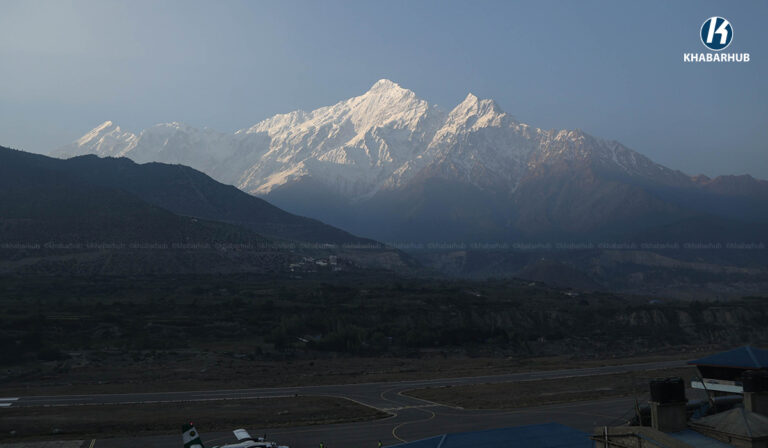
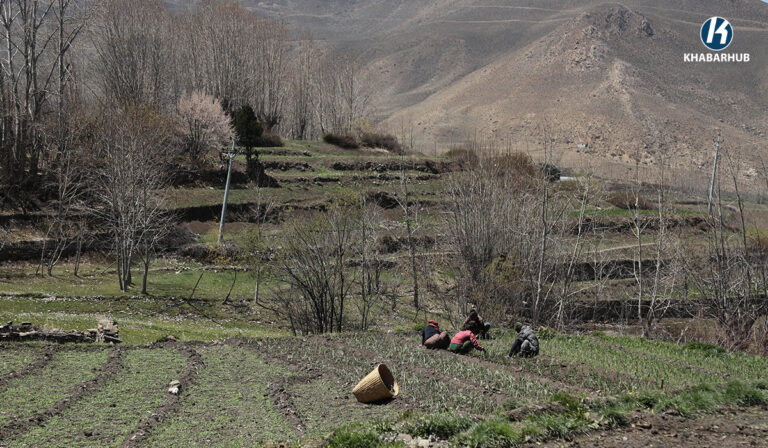
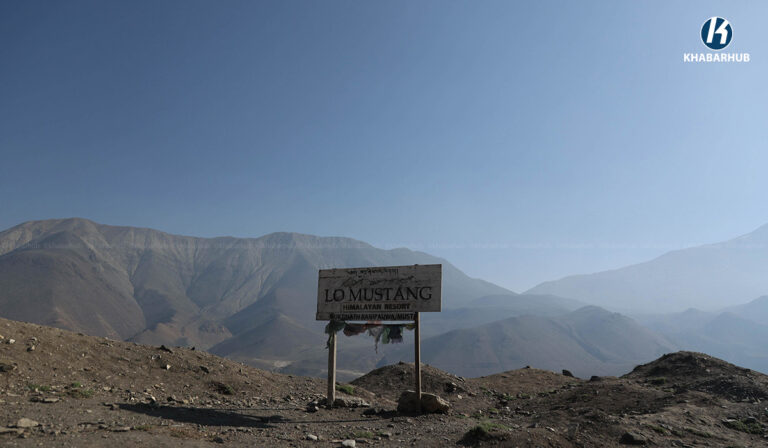
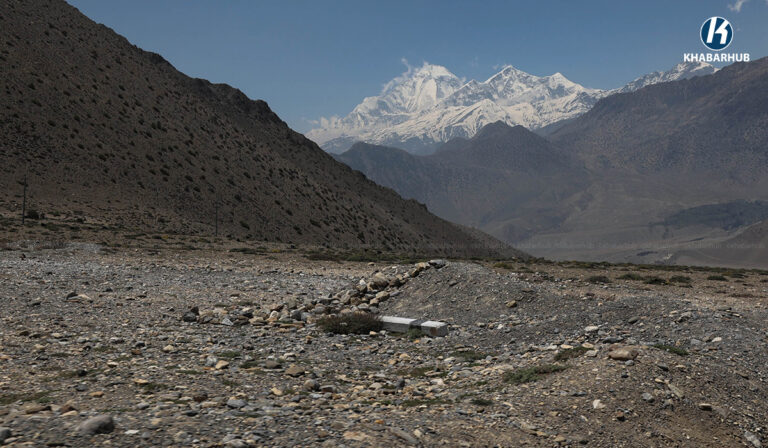
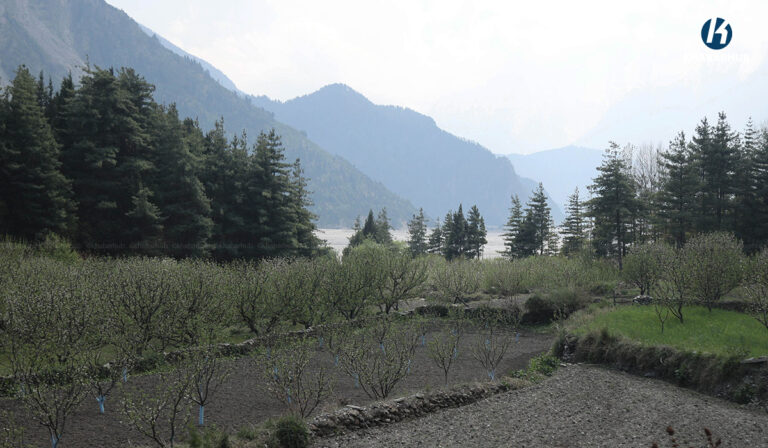
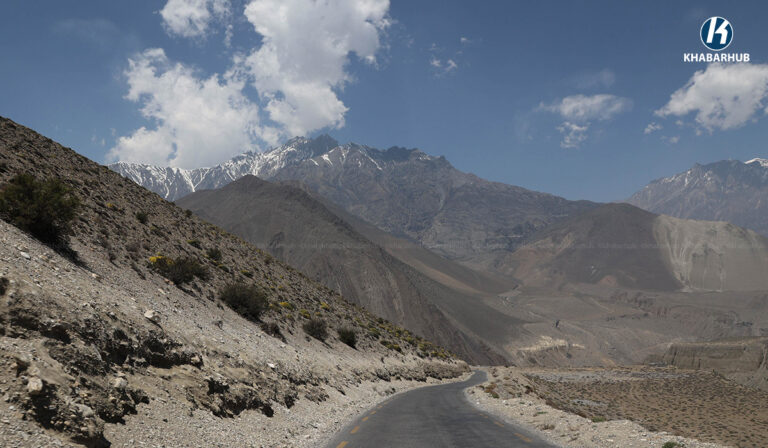
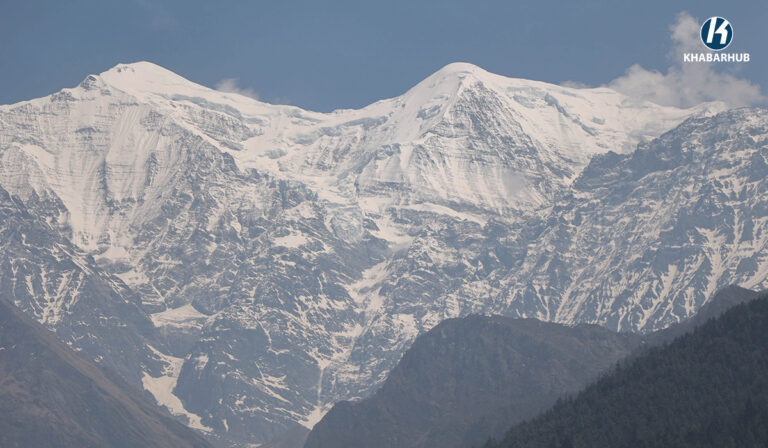
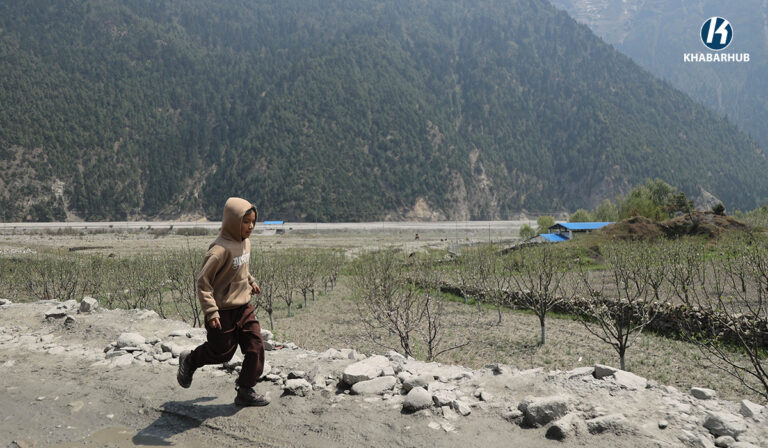
KATHMANDU: The Himalayan district of Mustang has been increasingly recognized as one of Nepal’s leading tourist destinations, attracting both domestic and international visitors with its natural landscapes, Himalayan terrain, ancient culture, and religious heritage.
Often referred to as Nepal’s “Himalayan desert,” Mustang lies at a high altitude and is home to the famous Muktinath Temple, a sacred pilgrimage site for both Hindu and Buddhist devotees. Thousands of pilgrims visit the temple each year.
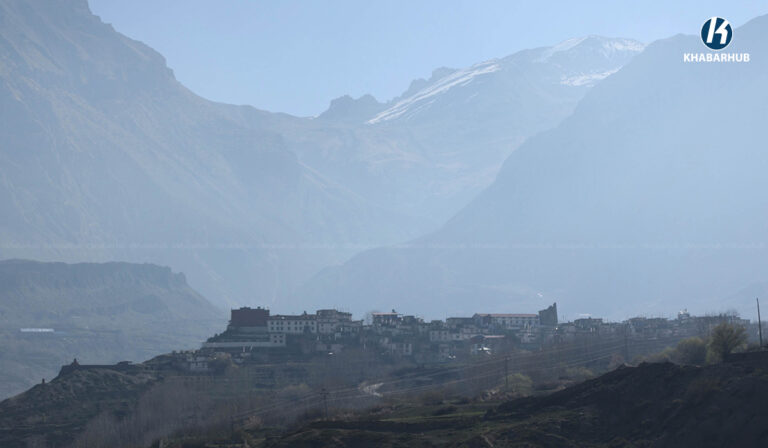
Other major attractions include the historic Lo Manthang palace, ancient monasteries, stone-built settlements, and the scenic banks of the Kali Gandaki River.
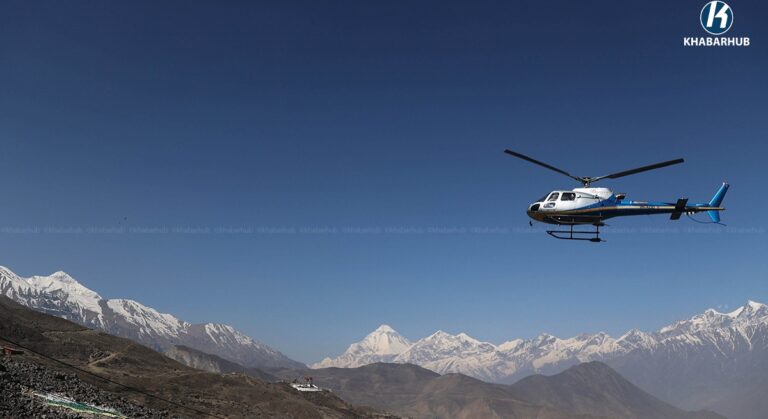
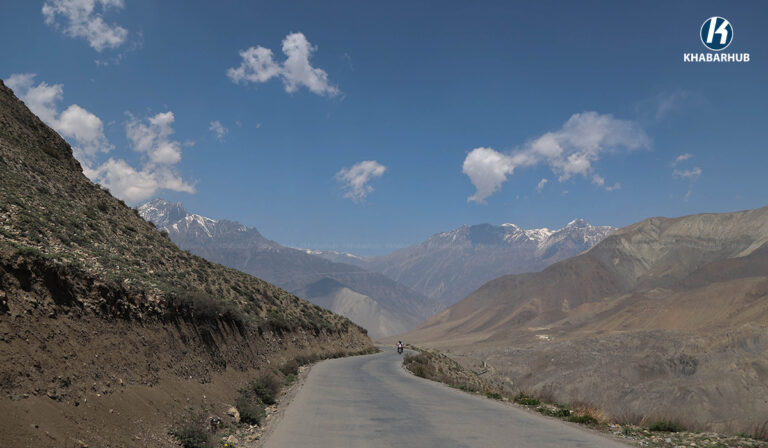
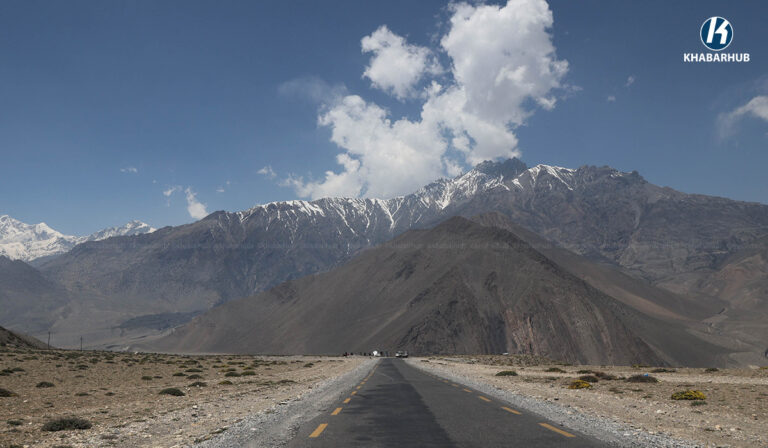
Tourism entrepreneurs say visitor numbers have risen significantly in recent years as road connectivity and air access have improved. Domestic tourists, especially from Pokhara via road travel, have increased sharply, they said.
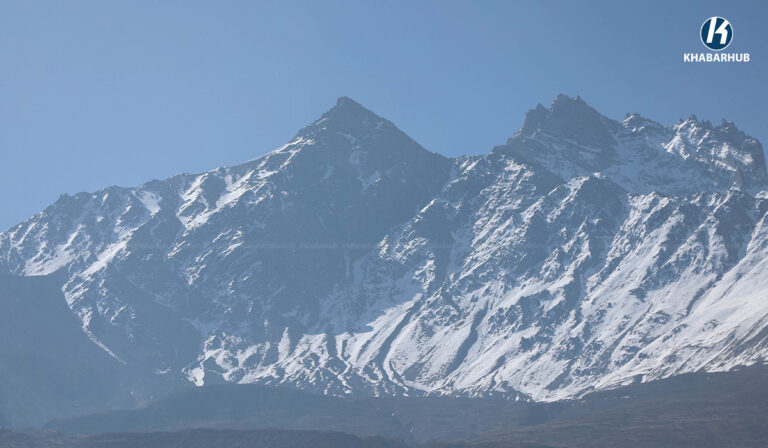
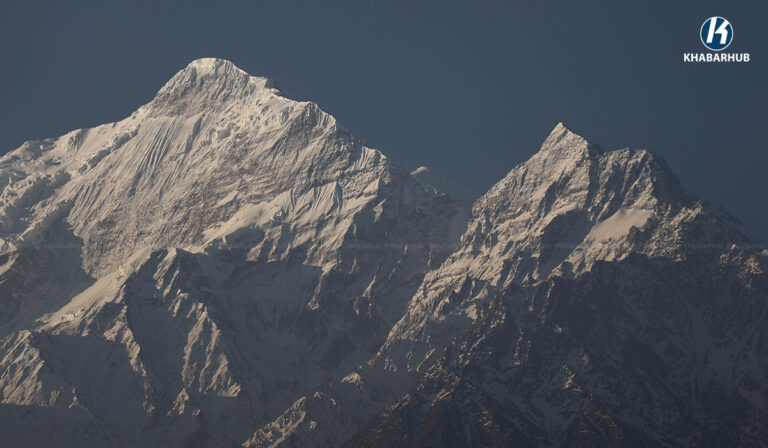
Visitors travel to Mustang for Himalayan views, motorbike and jeep adventures, trekking, and religious tourism during the colder seasons. Foreign tourists are also drawn to its unique geography, Tibetan-influenced culture, and adventure tourism opportunities.
Hotel operators report a steady rise in arrivals from Europe, the United States, China, and South Asian countries.
Tourism stakeholders say further promotion of Mustang at the international level requires improved infrastructure, cleanliness, safe travel routes, and expansion of tourist-friendly services. They emphasize that Mustang is gradually establishing itself as a key pillar of Nepal’s tourism sector.


Comment