




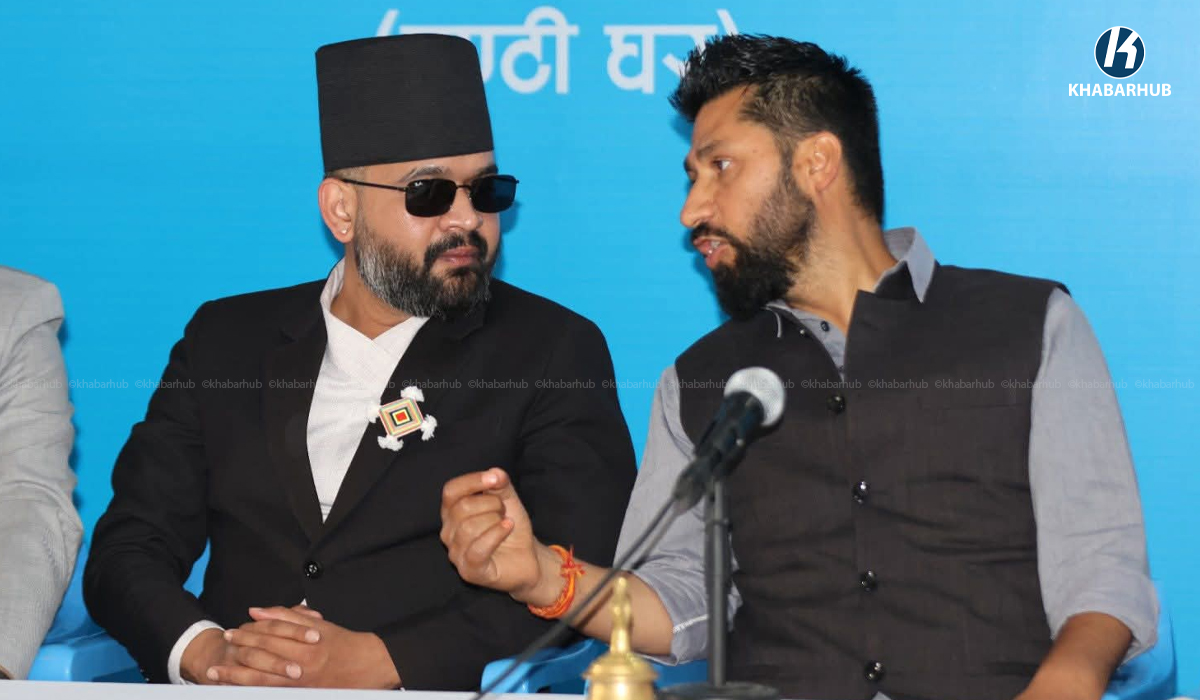
KATHMANDU: The Federal Parliament premises on Thursday reflected the deepening cracks within the ruling alliance as Rastriya Prajatantra Party (RPP) leader Gyanendra Shahi appeared visibly dejected after his party was sidelined in the Deputy Speaker race.
Despite multiple assurances from Rastriya Swatantra Party (RSP) Chair Rabi Lamichhane, the RPP found itself stranded at the final hour without the support it was promised.
The RPP had initially considered Khushbu Oli for the post but eventually fielded Saraswati Lama, the wife of leader Buddhiman Tamang. Shahi claimed that the nomination was filed only after a direct phone call from Lamichhane, who reportedly told him to proceed regardless of the outcome.
However, as the political dust settled, it became clear that the RSP leadership had pivoted, leaving the RPP without a single supporting vote from other parties. Shahi described the move as a betrayal, stating that the RSP chairman must now take responsibility for the shifting decisions.
This sudden turn of events highlights a significant power struggle between Chairman Lamichhane and Prime Minister Balen Shah. While Lamichhane had been making promises to the RPP, the Prime Minister was busy executing a different strategy to bring Shram Sanskriti Party leader Harka Sampang into his camp.
The iconic hug and exchange of numbers between Balen and his social media critic Harka Sampang on April 2 was the first public sign of this new alliance. By offering the Deputy Speaker post to the Shram Sanskriti Party, Balen has successfully neutralized a vocal rival and consolidated his own influence.
The fallout of this maneuver reveals a weakened position for Rabi Lamichhane within the party and the government. After failing to include his core team in the cabinet and struggling to secure positions for close associates like Pramod Neupane, Lamichhane appears to be increasingly overshadowed by Balen’s executive dominance.
This growing “two-line” struggle within the RSP is drawing comparisons to the infamous internal rift of the NCP era, raising concerns among party members that the current divide could lead to long-term instability.






Comment