




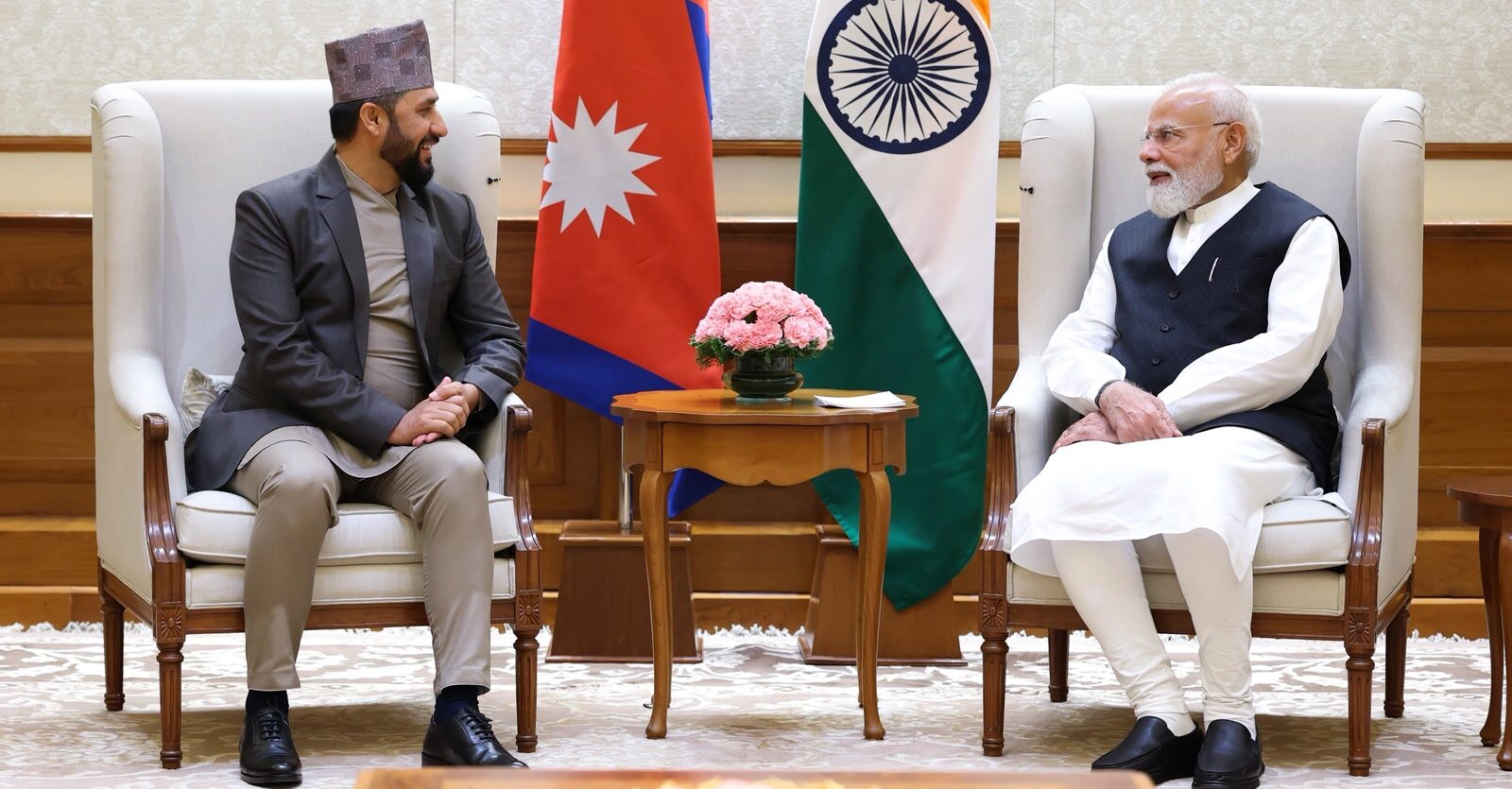
KATHMANDU: A debate has emerged over the meaning of a purported reset in Nepal-India relations after leaders of the ruling Rastriya Swatantra Party (RSP) and the government used the term following separate visits to India.
The discussion intensified after RSP Chair Rabi Lamichhane returned from a five-day visit to India and Foreign Minister Shishir Khanal travelled to New Delhi, with both leaders describing bilateral ties as being in a process of reset.
However, former diplomats and political leaders have questioned the appropriateness of the term, arguing that no major disputes between the two countries have been resolved to justify such a characterization.
Former ambassador Nilambar Acharya said it is difficult to understand how Nepal-India relations could be considered reset when longstanding issues remain unresolved.
“Border disputes, including Kalapani, remain intact. Existing treaties and agreements are unchanged. I do not understand how relations have been reset,” Acharya told Khabarhub, urging the government to clearly explain what has changed.
He argued that a genuine reset would require tangible progress on key bilateral issues, particularly the border disputes involving Limpiyadhura, Kalapani, Lipulekh and Susta.
The controversy began after Lamichhane, speaking to journalists upon his return to Kathmandu on Friday, described his India visit as transparent and result-oriented.”
Claiming the visit differed from previous diplomatic engagements, he said Nepal had moved away from what he described as opaque and secretive dealings.
“We have worked to reset relations by ending ambiguity, secrecy and a lack of transparency,” Lamichhane said.
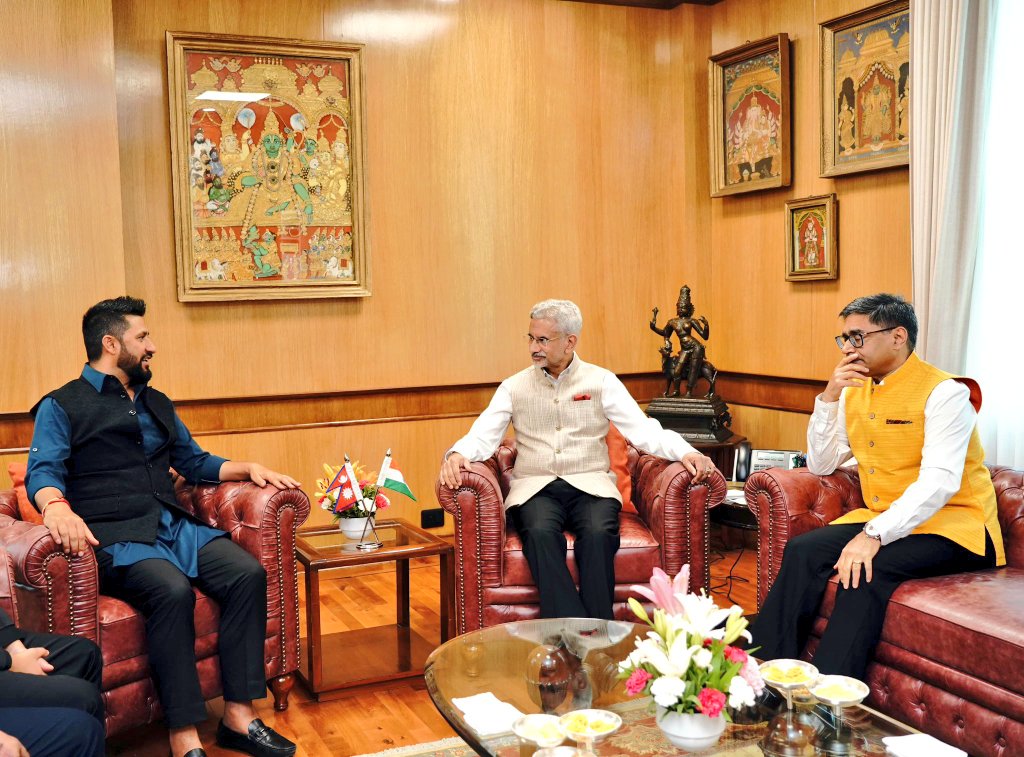
A member of the delegation accompanying Lamichhane told Khabarhub that the term referred to efforts to improve ties that had cooled during previous periods of political tension.
According to the delegation member, both countries appeared willing to address differences through diplomatic engagement and mutual respect.
The source also claimed that India had expressed readiness to discuss border issues through diplomatic channels, which the RSP viewed as a positive sign in bilateral relations.
The official added that Prime Minister KP Sharma Oli is expected to visit India in the coming months, where discussions on border disputes and other key issues could advance further.
Foreign Minister Khanal echoed similar sentiments during an interview with Indian media outlet NDTV, stating that the time had come to reset Nepal-India relations and indicating that both sides were willing to move in that direction.
Sources close to Khanal said discussions were ongoing and that more concrete and written agreements could emerge during the prime minister’s anticipated visit to India.
Despite these claims, neither Lamichhane nor Khanal publicly discussed Nepal’s longstanding territorial disputes with India during their visits.
This omission has raised concerns among analysts, who argue that describing relations as “reset” without visible progress on core disputes risks creating confusion.
Former Foreign Minister Narayan Kaji Shrestha described the statements as premature and reflective of political immaturity.
“There is no visible outcome that suggests relations have been reset,” Shrestha said. “A reset should mean strengthening positive aspects of the relationship while resolving existing problems. Those problems remain unresolved.”
He argued that any meaningful reset would require progress on issues related to national sovereignty, territorial integrity and border disputes.
“If the intention is to move forward while ignoring these issues, that would not be acceptable to Nepal,” he said.
Former Prime Minister Baburam Bhattarai has also reportedly advised caution, noting that while optimism about improved relations is understandable, there is not yet sufficient evidence to conclude that Nepal-India ties have undergone a genuine reset.
Diplomatic observers maintain that bilateral relations can only be considered reset when longstanding disputes are addressed through concrete agreements and measurable outcomes rather than political rhetoric.
For now, they say, the meaning of the much-discussed “reset” remains unclear.





Comment