




KATHMANDU: The new session of both houses of the Federal Parliament will begin on Monday, May 11.
President Ram Chandra Paudel, on the recommendation of the Council of Ministers, has summoned sessions of the House of Representatives and the National Assembly at Singha Durbar at 2:00 pm on Monday.
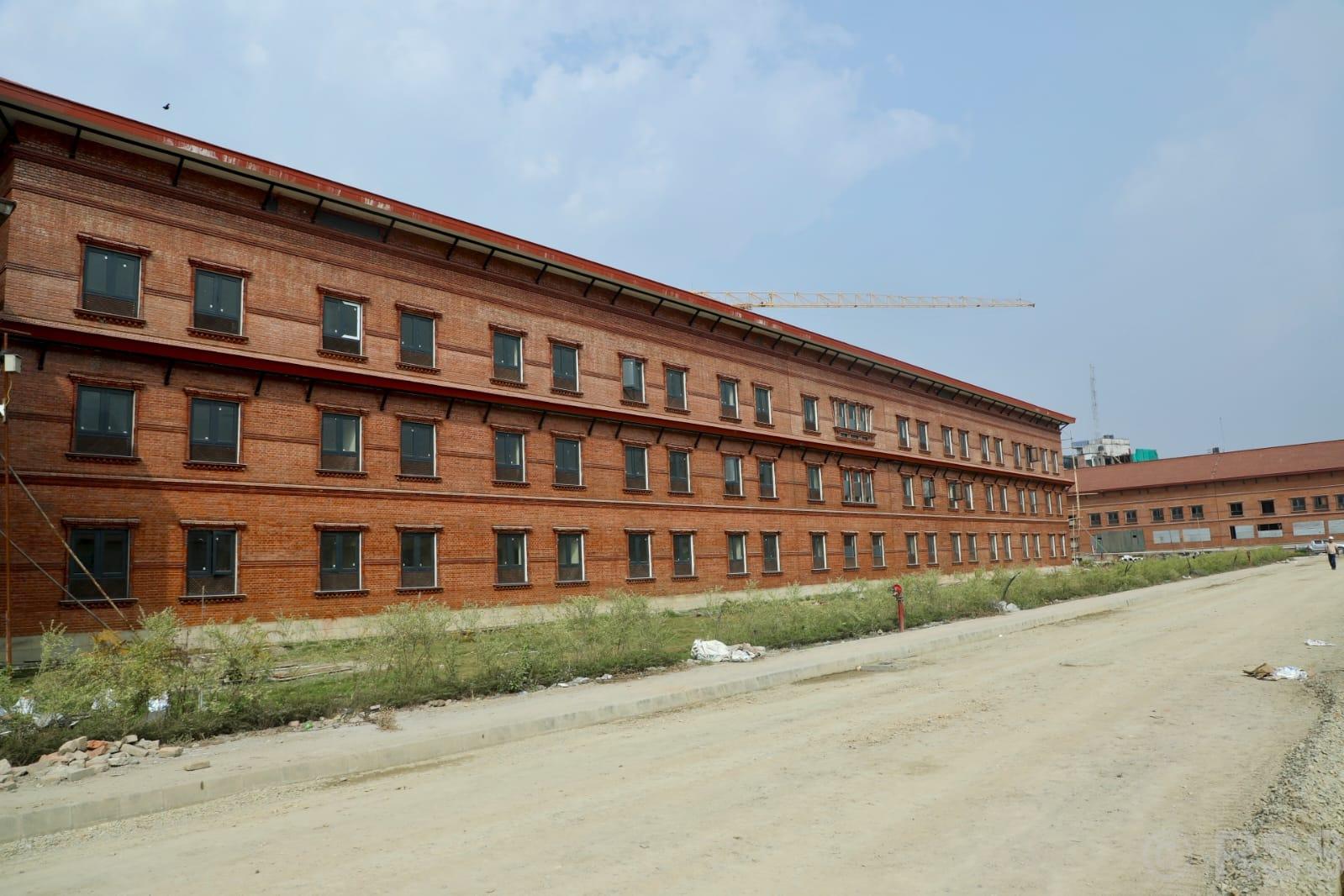
As construction of the new Federal Parliament building has not yet been completed, the House of Representatives meeting will once again be held in the multipurpose hall of the under-construction parliament complex. The National Assembly session will continue to be held in its existing chamber at the former Parliament Secretariat.
However, Parliament Secretariat Spokesperson Ekram Giri said the contractor company has verbally informed authorities that the new House of Representatives chamber is expected to be ready by May 29, when the government is scheduled to present the annual budget during a joint session of the Federal Parliament.
The Parliament Secretariat is optimistic that this year’s budget presentation can be conducted from the new hall in a more systematic manner. According to Giri, technical works including painting, interior decoration, and installation of modern equipment are currently underway in the new chamber.
During the upcoming parliamentary session, the government’s policies and programs as well as the annual revenue and expenditure estimates (budget) will be presented. The session will also deliberate on pre-budget discussions, policies and programs, appropriation bills, economic bills, and bills related to raising the national debt.
Members of Parliament are also expected to raise contemporary national issues during emergency, zero, and special hours, as well as during question-and-answer sessions.
The session will additionally deliberate on bills intended to replace ordinances recently issued by the government. As per parliamentary procedures, ordinances issued while Parliament is not in session must be tabled during the first meeting of the House and approved within 60 days; otherwise, they automatically become inactive.






Comment