




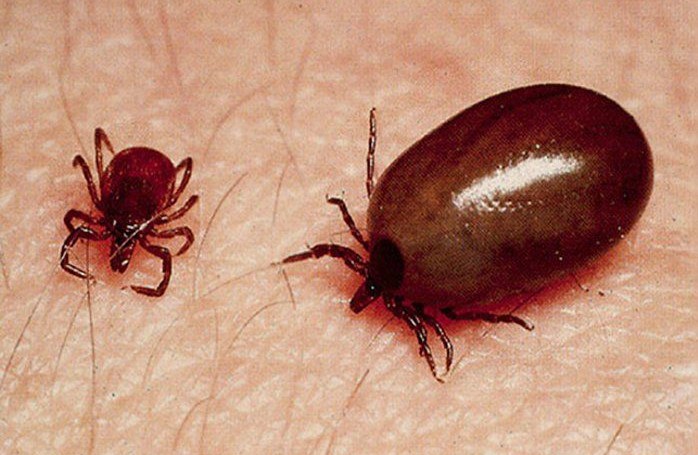
KATHMANDU: Following the detection of scrub typhus in 74 districts across the country, the Ministry of Health and Population has intensified disease surveillance, testing and treatment, as well as health-worker capacity building and risk communication activities.
According to the Epidemiology and Disease Control Division (EDCD), 10,210 people have been infected with scrub typhus in 74 districts since January 2026. The Division has confirmed seven deaths from the infection.
In response to the spread of the disease, the EDCD has been holding discussions with authorities from all seven provinces, as well as chiefs of some local levels and provincial secretaries, on scrub typhus prevention and control since Asadh.
The Ministry is monitoring the status and trends of the infection through disease surveillance systems, including the Early Warning and Reporting System and the Surveillance Outbreak Response Management and Analysis System.
Efforts are also underway to ensure the availability of necessary testing supplies and medicines in areas at high risk of infection. Rapid test kits for scrub typhus have been supplied to provincial and local governments based on need.
Currently, 5,000 test kits are being kept in buffer stock at the Management Division of the Department of Health Services. Antibiotics and other medicines required for treatment have also been supplied to areas where infections have been detected.
The ministry has emphasized strengthening the capacity of health workers to ensure timely diagnosis and effective treatment of the disease.
Virtual and in-person training and orientation programmes on scrub typhus diagnosis and case management are being conducted. According to the division, about 1,000 doctors and health workers received training and orientation on scrub typhus in Asadh alone.
The ministry is also disseminating health education materials on scrub typhus prevention and control through the National Health Education, Information and Communication Centre to raise public awareness about the disease.
The ministry said regular surveillance and testing, access to treatment, mobilization of health workers and coordination with local governments have been continued in areas where scrub typhus is more prevalent.




Comment