




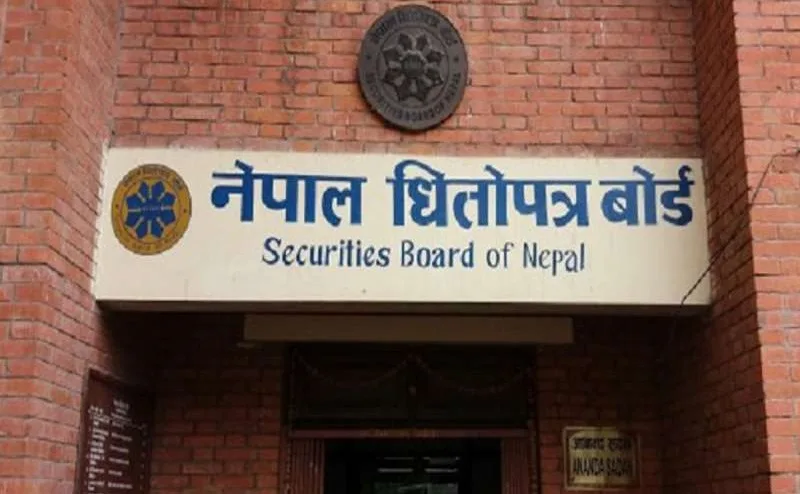
KATHMANDU: The Securities Board of Nepal (SEBON) has unveiled the White Paper on the Development of Nepal’s Primary Capital Market with a vision to transform the country’s primary capital market into a modern, technology-friendly and internationally competitive system.
The document covers the historical background, current status and future roadmap of Nepal’s primary capital market, aiming to introduce qualitative reforms and improve the overall functioning of the market.
According to SEBON, Nepal’s capital market journey began in 1994 BS after Biratnagar Jute Mills and Nepal Bank Limited issued ordinary shares to the public. From fiscal year 2050/51 to the end of Asar 2083, more than Rs 765 billion has been approved for mobilisation through the primary market.
The board said Nepal currently has 8.011 million beneficiary accounts and more than 7.08 million Mero Share accounts, with capital market participation reaching around 26 percent of the total population.
The white paper has highlighted several structural challenges in the existing public issuance system, including excessive demand for initial public offerings (IPOs), the need for lottery-based share allocation and the limitations of the fixed pricing system, which prevents effective market-based price discovery.
SEBON noted that Nepal’s capital market remains largely dependent on individual investors, while institutional participation remains limited. The board has stressed the need to increase the involvement of qualified institutional investors and anchor investors to strengthen confidence in the market.
The white paper proposes strengthening the book-building system to ensure scientific and transparent pricing of public offerings. It also recommends introducing anchor investors who can commit investments for a certain period before large-scale issues open to the public.
The board has proposed developing a fully digital IPO ecosystem with end-to-end online processing, electronic know-your-customer (e-KYC) systems and digital prospectuses. It has also called for a shift from document-based regulation to risk-based and disclosure-based regulatory practices.
SEBON has proposed separate eligibility criteria for companies from different sectors, including hydropower, infrastructure and startups, recognising their distinct nature and investment requirements.
The board has divided the reform process into three phases. In the first phase, within one year, existing laws, regulations and directives will be reviewed and necessary legal amendments will be made. Within two years, digital IPO platforms will be expanded, e-KYC systems integrated and institutional capacity strengthened. Within five years, SEBON aims to introduce fully market-based price determination, increase foreign institutional participation and develop an advanced capital market system.
SEBON has set a long-term vision of developing Nepal’s primary market by 2035 in line with international best practices. The vision aims to mobilise national savings into productive sectors and contribute to sustainable economic growth.
The board said the white paper is not limited to changing the IPO process but is intended to serve as a strategic financial infrastructure plan to create a more balanced and modern financial system in Nepal.






Comment