




KATHMANDU: Health assessments conducted among families displaced from riverbank settlements have revealed significant medical concerns linked to long-term residence in unsafe and unregulated living conditions.
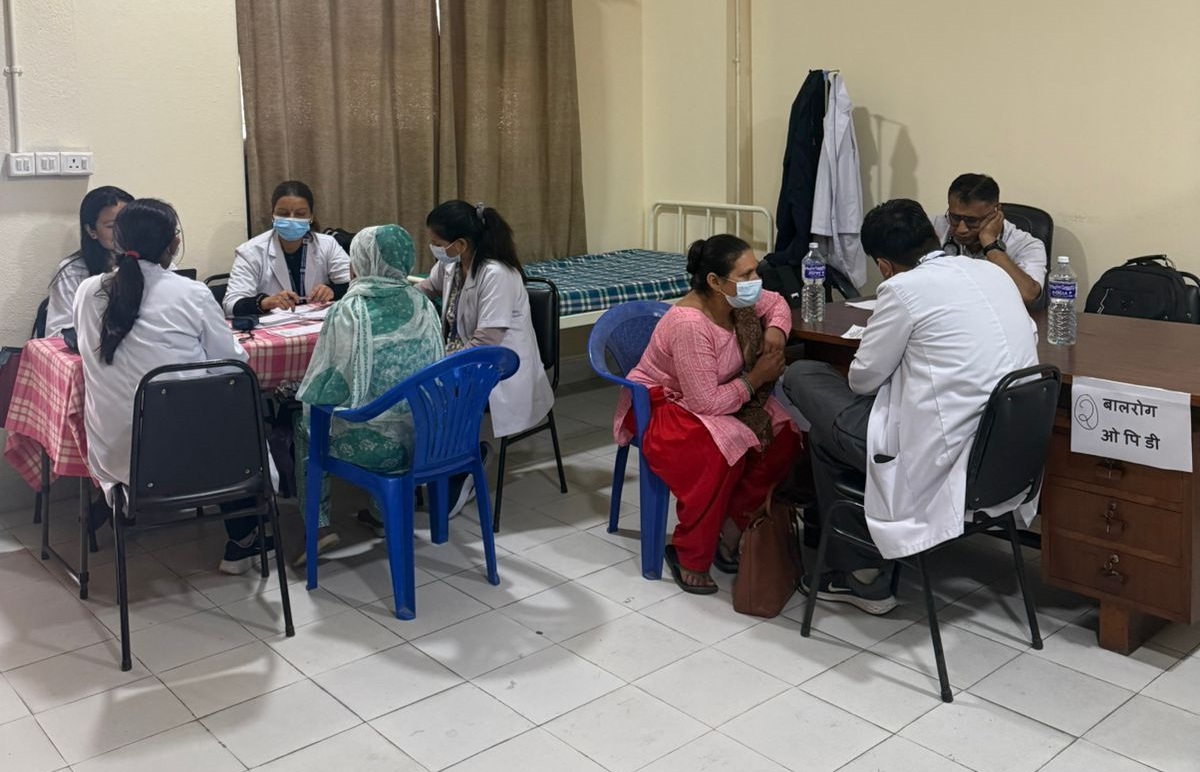
The findings come after recent screenings carried out among residents relocated to holding centers in Kirtipur, following eviction drives from informal settlements along the Bagmati riverbanks, including Thapathali.
According to health data collected during medical screenings, a large number of residents were found to be suffering from chronic and non-communicable diseases that had gone undiagnosed for years.
High prevalence of chronic illnesses
Preliminary health assessments show widespread cases of hypertension, diabetes, respiratory illnesses, and musculoskeletal disorders among displaced families.
Medical officials involved in the screenings say the conditions are strongly linked to prolonged exposure to polluted environments, inadequate sanitation, and unsafe housing conditions along riverbanks.
Health experts note that continuous exposure to contaminated water, unmanaged waste, and damp living conditions has significantly contributed to long-term health deterioration among residents.
Undiagnosed conditions and delayed treatment
Doctors say many residents had never undergone regular health check-ups while living in informal settlements, resulting in late detection of serious illnesses.
Following relocation to holding centers, routine medical screenings have helped identify previously undiagnosed conditions, allowing patients to begin treatment.
Medical teams deployed in the holding centers have started follow-up consultations and referrals to specialized hospitals for cases requiring advanced care.
Link between unsafe living conditions and health decline
Health professionals involved in the assessments have emphasized that the riverbank settlements posed continuous health risks due to flooding, poor sanitation, and lack of access to clean drinking water.
They say prolonged exposure to such conditions has contributed not only to physical illnesses but also to stress-related and mental health challenges among residents.
Doctors further highlighted that early findings from the screenings point to a clear correlation between unsafe living environments and the high burden of disease among displaced families.
Ongoing monitoring and care
Health authorities have stated that further detailed assessments are underway to better understand the long-term health impact on displaced populations.
Regular medical camps, specialist consultations, and psychosocial support programs are being conducted at holding centers to address both physical and mental health needs of affected families.






Comment