




KATHMANDU: In recent times, the use of dietary supplements has increased significantly among both gym-goers and individuals aiming to achieve a “fit” and healthy appearance.
Influenced by fitness figures on social media, the desire for quick results, and aggressive marketing, many people are increasingly consuming vitamin, protein and mineral supplements without consulting doctors or nutritionists.
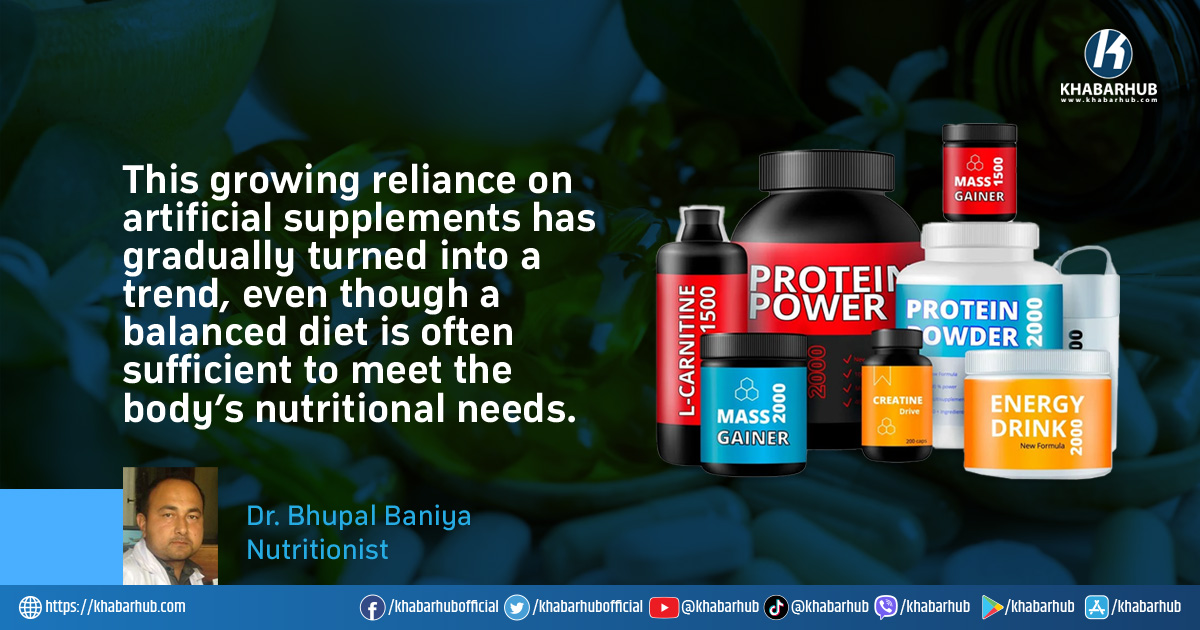
This growing reliance on artificial supplements has gradually turned into a trend, even though a balanced diet is often sufficient to meet the body’s nutritional needs.
However, questions remain about when supplements are actually necessary and to what extent their unnecessary use may increase the risk of kidney-related disorders, elevated uric acid levels, and other health complications.
In this context, a conversation with Dr. Bhupal Baniya, a nutritionist at Om Hospital, sheds light on the rising misuse of supplements, their appropriate use, and the potential health risks associated with their over-consumption.
Recently, there has been a growing tendency among people to rely on supplements rather than maintaining a balanced diet. What exactly are supplements?
The term “supplement” literally means something additional. In some cases, the daily diet may not provide sufficient amounts of nutrients such as iron, vitamin A, folic acid, or other essential minerals required by the body. Supplementation is used to address such deficiencies. These are food-based products with medicinal properties, commonly available in capsule or powder form.
It is said that supplements are being misused. What is the reason behind this?
Nowadays, many people consume supplements without knowing whether they actually need them. Taking them without medical or nutritional advice—simply with the intention of becoming fit or stronger—can be harmful. It is not advisable to depend on supplements for nutrients that can easily be obtained from regular food.
What are the health risks of indiscriminate supplement use?
Protein supplements are particularly popular. Generally, a healthy person requires about 1 gram of protein per kilogram of body weight. However, many commercially available protein powders contain very high levels of protein.
Excess intake can increase uric acid levels and lead to serious kidney-related complications. The same applies to vitamins and minerals—consuming more than the required amount does not benefit the body and may instead cause harm.
How can we obtain these nutrients from natural sources?
Fruits, vegetables, salads, milk, eggs, fish, and meat naturally contain essential vitamins and minerals. For example, omega-3 fatty acids found in fish are highly beneficial for brain health. However, many people prefer supplements instead of consuming fish.
For vegetarians, vitamin B12 deficiency may occur, and foods such as yogurt can help address this. Experts recommend using supplements only when natural dietary intake is insufficient and strictly under professional guidance.
In what situations are supplements necessary?
Supplements are required in specific cases such as during pregnancy and breastfeeding, recovery after major surgery, or when a significant nutritional deficiency is diagnosed. Even then, they should be taken only on the recommendation of a doctor or nutritionist based on proper medical tests.
Do vegetarians need to take supplements?
Fish and meat provide a rich source of nutrients. For vegetarians, however, there may sometimes be a risk of vitamin B12 deficiency. This deficiency can also be addressed through foods such as yogurt and ‘gundruk’ (dried leafy vegetables).
Whether a vegetarian needs supplements depends on the individual’s health condition. If the body is functioning normally without any symptoms, supplements may not be necessary. However, if someone experiences symptoms such as tingling, burning sensations, or fatigue in the hands and feet, they should consult a doctor or nutritionist before taking supplements.
What about infants under one year of age being given vitamins from birth?
He noted that infants may have deficiencies in vitamins or iron, and supplementation is given based on medical need. However, administering vitamins without necessity is not appropriate, as it may do more harm than good.
How can nutrient deficiencies in the body be identified?
Common symptoms include extreme fatigue, weakness, dizziness, muscle cramps, tingling in the hands and feet, and a burning sensation in the feet. However, these symptoms alone should not lead to immediate supplement use, as they may also be linked to calcium, potassium, sodium deficiencies or other underlying diseases. Proper medical testing is essential for accurate diagnosis.
How can the misuse of supplements be controlled?
Public awareness is key to controlling the growing misuse of supplements. At the same time, regulatory bodies must strengthen monitoring of the supplement market. Doctors and pharmacists should also clearly inform patients that supplements are not mandatory and should only be used when necessary. The practice of casually purchasing supplements from pharmacies should be discouraged.
Finally, what is your advice to the general public?
He advised that if individuals feel weak, experience tingling in the limbs, or suffer from muscle pain, they should not immediately start taking supplements on their own. Instead, they should first undergo medical tests to identify actual deficiencies.
If no deficiency is found, a simple, balanced home-cooked diet is the best source of nutrition. He urged everyone not to use supplements without expert guidance.






Comment