




KATHMANDU: The last remaining nuclear arms control agreement between the United States and Russia is set to expire on Thursday, removing all limits on the world’s two largest nuclear arsenals for the first time in more than five decades and heightening fears of an unconstrained arms race.
The expiration of the New START Treaty would end caps on the number of deployed nuclear warheads and delivery systems held by Washington and Moscow, a development arms control experts warn could destabilize global security and increase the risk of nuclear conflict.
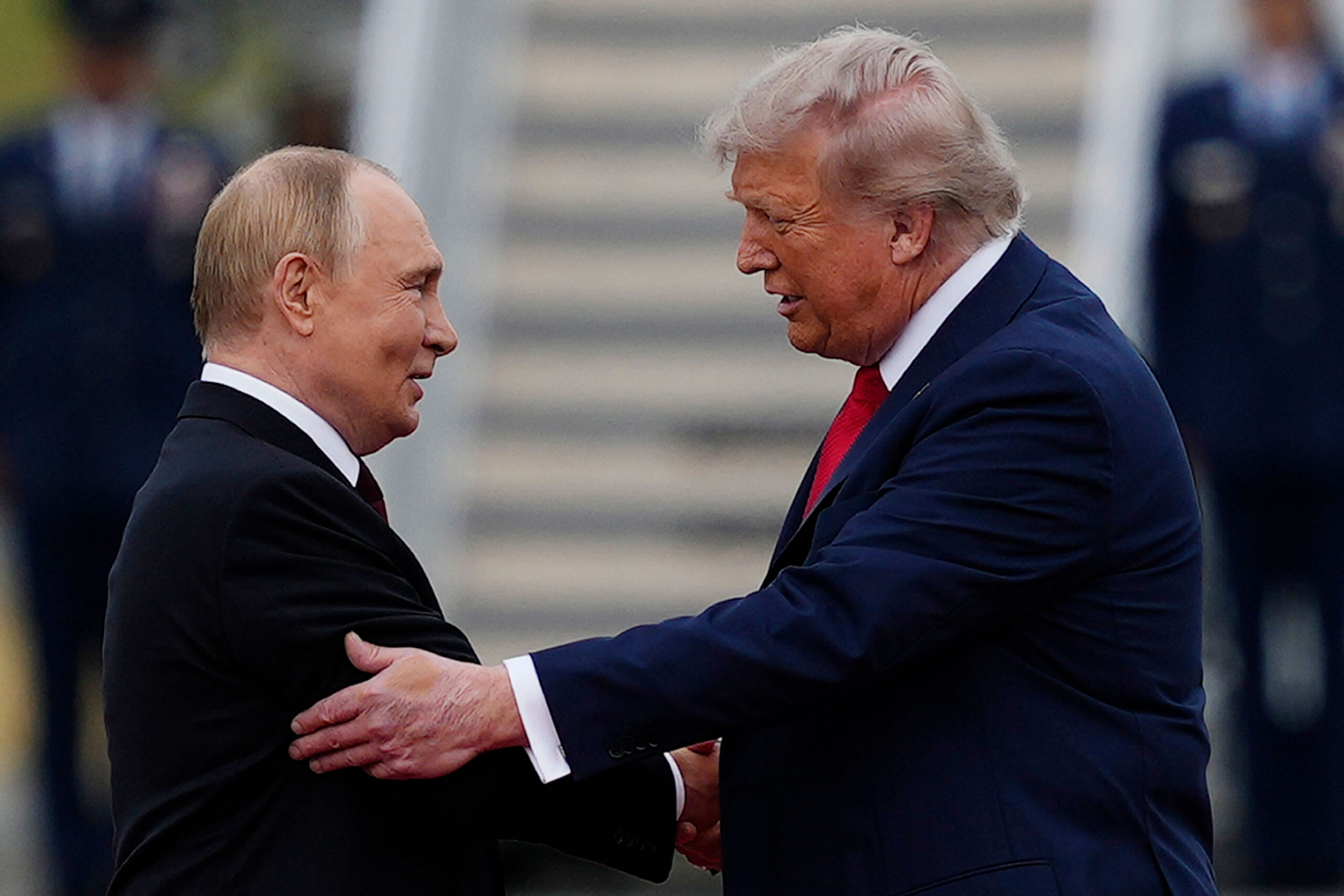
Russian President Vladimir Putin has said Moscow is ready to adhere to the treaty’s limits for another year if the United States does the same, but former US President Donald Trump has so far remained noncommittal about extending the pact. Trump has repeatedly indicated interest in maintaining limits on nuclear weapons while also seeking to involve China in future arms control negotiations, according to a White House official speaking on condition of anonymity.
China, however, has rejected proposals to join such talks, arguing that its nuclear arsenal remains far smaller than those of the US and Russia, despite its gradual expansion.
Kremlin spokesperson Dmitry Peskov warned that the world would become “more dangerous” without restrictions on US and Russian nuclear stockpiles. Arms control advocates have echoed similar concerns, cautioning that the lapse of New START could trigger a renewed arms race between the two nuclear superpowers and undermine decades of efforts to reduce nuclear risks.
Daryl Kimball, executive director of the Arms Control Association in Washington, said the treaty’s expiration would allow both sides to increase their deployed nuclear weapons for the first time in around 35 years. He warned this could open the door to a dangerous three-way arms race involving China as well.
Kingston Reif of the RAND Corporation, a former US deputy assistant secretary of defense, said the absence of the treaty’s predictability could encourage both sides to plan for worst-case scenarios, expand their arsenals, or seek leverage through military buildup.
Putin has repeatedly highlighted Russia’s nuclear capabilities since the launch of its military operation in Ukraine in February 2022, warning that Moscow is prepared to use “all means” to protect its security interests. In 2024, he signed a revised nuclear doctrine that lowered the threshold for the use of nuclear weapons.
New START, signed in 2010 by then US President Barack Obama and Russian President Dmitry Medvedev, limited each side to 1,550 deployed nuclear warheads and 700 missiles and bombers. The treaty was originally due to expire in 2021 but was extended for five years. Although it предусмотрed on-site inspections to verify compliance, these were suspended in 2020 due to the COVID-19 pandemic and never resumed.
In February 2023, Russia announced it was suspending its participation in the treaty, citing the inability to allow US inspections amid the Ukraine conflict, while still pledging to respect the treaty’s limits. Putin later proposed a one-year adherence to the caps to allow time for negotiations on a successor agreement, warning that the treaty’s expiration could fuel nuclear proliferation.
The New START agreement was the last in a long line of US-Russian arms control pacts dating back to the 1972 SALT I agreement. Other key treaties, including the Anti-Ballistic Missile Treaty and the Intermediate-range Nuclear Forces Treaty, have already collapsed, further eroding the global arms control framework.
Analysts warn that without new agreements, strategic competition among the US, Russia, and China is likely to intensify, with increased spending on nuclear forces and rising instability. Kimball said the world may be entering a far more dangerous phase of nuclear rivalry, unlike anything seen in recent decades.






Comment