




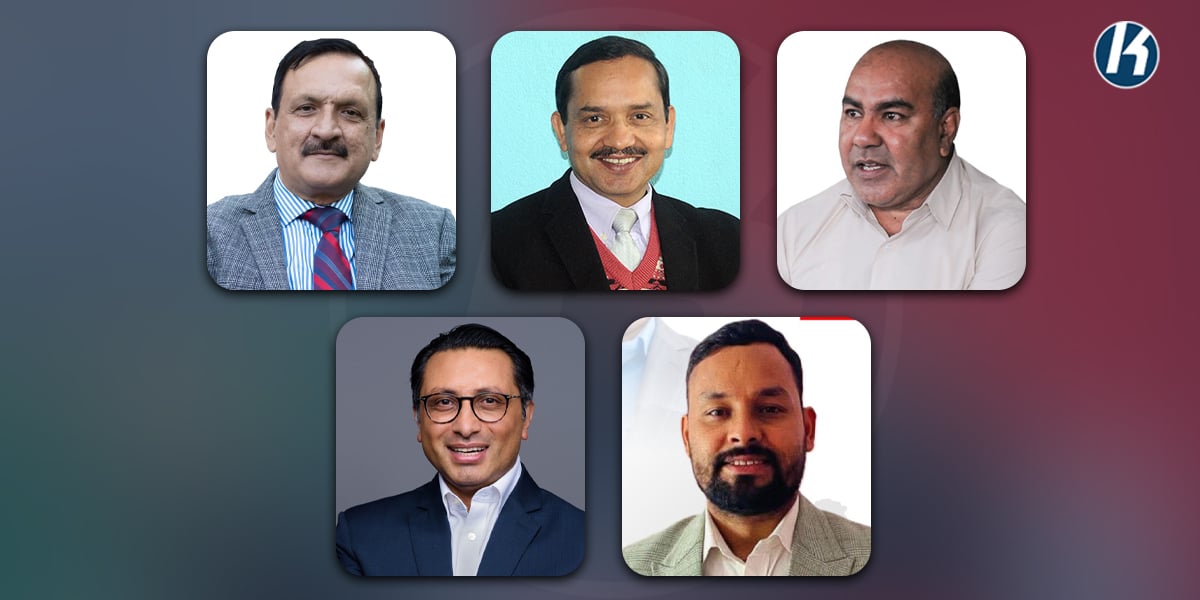
KATHMANDU: As Nepal heads toward the House of Representatives election scheduled for March 5, six experts from the field of economic and political economy have entered the electoral race, adding a distinct policy-oriented dimension to the contest. While some of these economists are contesting elections for the first time, others are returning to the political battlefield after previous defeats.
This election is being held against the backdrop of a new political psychology that emerged after the two-day Gen-Z movement on September 8 and 9. The youth-led protests forcefully raised issues such as rising corruption, the failure to establish good governance, and the lack of generational change in politics.
Against this backdrop, a key question facing voters is whether they will prioritize candidates with expertise in economic policy and governance, or continue to vote primarily along traditional party lines.
Dr Hari Roka
Dr Hari Roka is a well-known figure in Nepal’s political economy discourse. A PhD graduate from Jawaharlal Nehru University in India, Roka has authored several books and regularly presents his views through articles and interviews in the media, particularly advocating socialist political economy.
A former Constituent Assembly member from the then CPN (Maoist), Roka is contesting a House of Representatives election for the first time. He is in the fray from Khotang, a single-constituency district, representing the Nepal Communist Party formed through the unification of the former Maoist Centre and CPN (Unified Socialist).
In the 2022 election, Maoist Centre candidate Ram Kumar Rai won Khotang with 31,351 votes with Nepali Congress support. UML candidate Bishal Bhattarai secured 28,682 votes, while the Janata Samajwadi Party candidate finished third.
This time, all three major parties have fielded new candidates. While Roka enjoys strong national recognition and intellectual credibility, the district’s party-based voting patterns suggest he faces a tough challenge. The presence of the Rastriya Swatantra Party and Shram Sanskriti Party further complicates the contest.
Prof Dr Govinda Raj Pokharel
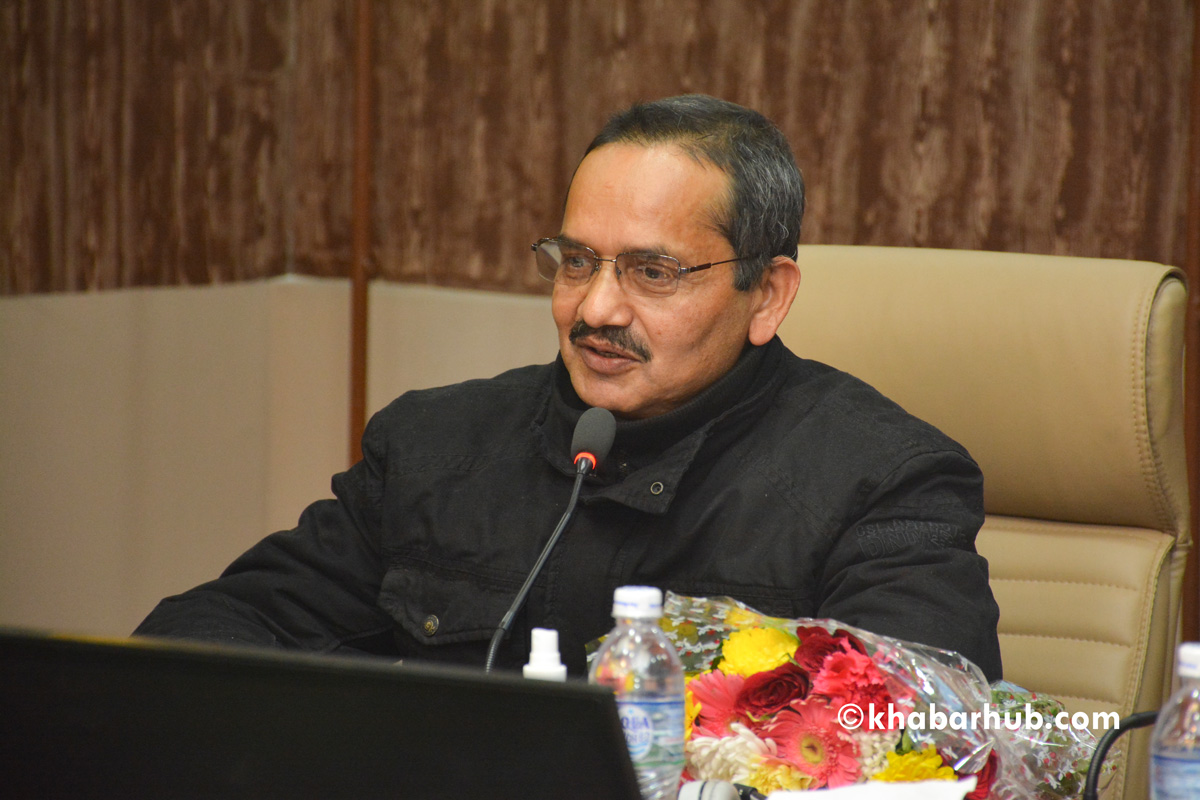
Prof Dr Govinda Raj Pokharel is a recognized expert in renewable energy and finance. A PhD holder from Germany, Pokharel has served as Vice-Chairperson of the National Planning Commission and headed the National Reconstruction Authority after the 2015 earthquake.
Closely associated with the Nepali Congress, Pokharel previously contested and lost the 2017 House election from Pyuthan. In the 2022 election, UML candidate Surya Bahadur Thapa Chhetri won the seat with 41,118 votes, defeating National People’s Front candidate Durga Poudel, who had the backing of the then ruling alliance.
Thapa has been re-nominated by UML this time. Pokharel now faces a four-way contest involving UML’s Thapa, CPN’s Krishna Dhwaj Khadka, and Rastriya Swatantra Party candidate Sushant Baidik. Given UML’s strong organizational base and the presence of leftist forces, attracting communist voters remains a major challenge for Pokharel.
Dr Sudan Oli
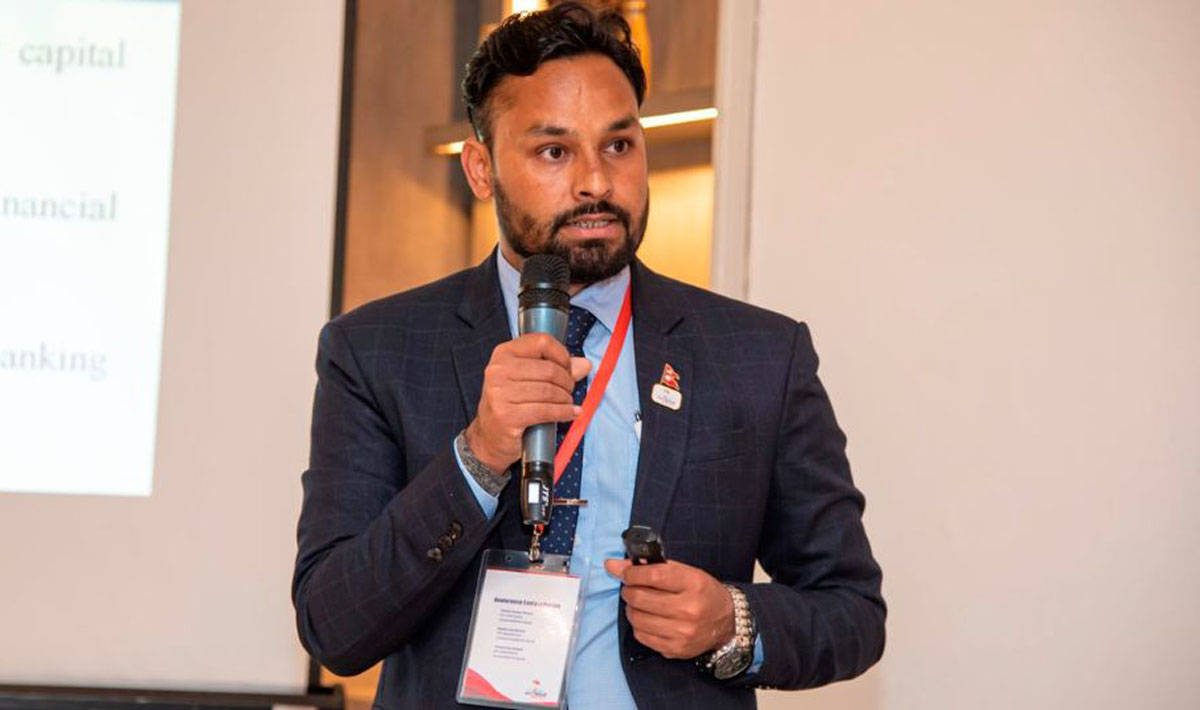
Dr Sudankumar Oli is an expert in human capital development and local economy. A PhD graduate from China, he has previously worked as a policy expert at the Ministry of Youth and Sports, advisor at the Ministry of Irrigation, and member of the Lumbini Provincial Planning Commission.
Affiliated with the Nepali Congress, Dr Oli is contesting from Rolpa, a historic stronghold of the Maoist movement, where senior CPN leader and former finance minister Barshaman Pun is also in the race.
Rolpa has consistently elected Maoist candidates since 2008. In the 2022 election, Pun won with 41,714 votes. Proportional votes also show the current CPN enjoying more than double the support of UML and Congress combined, making it ideologically difficult for Oli to gain traction in the district.
Dr Swarnim Wagle
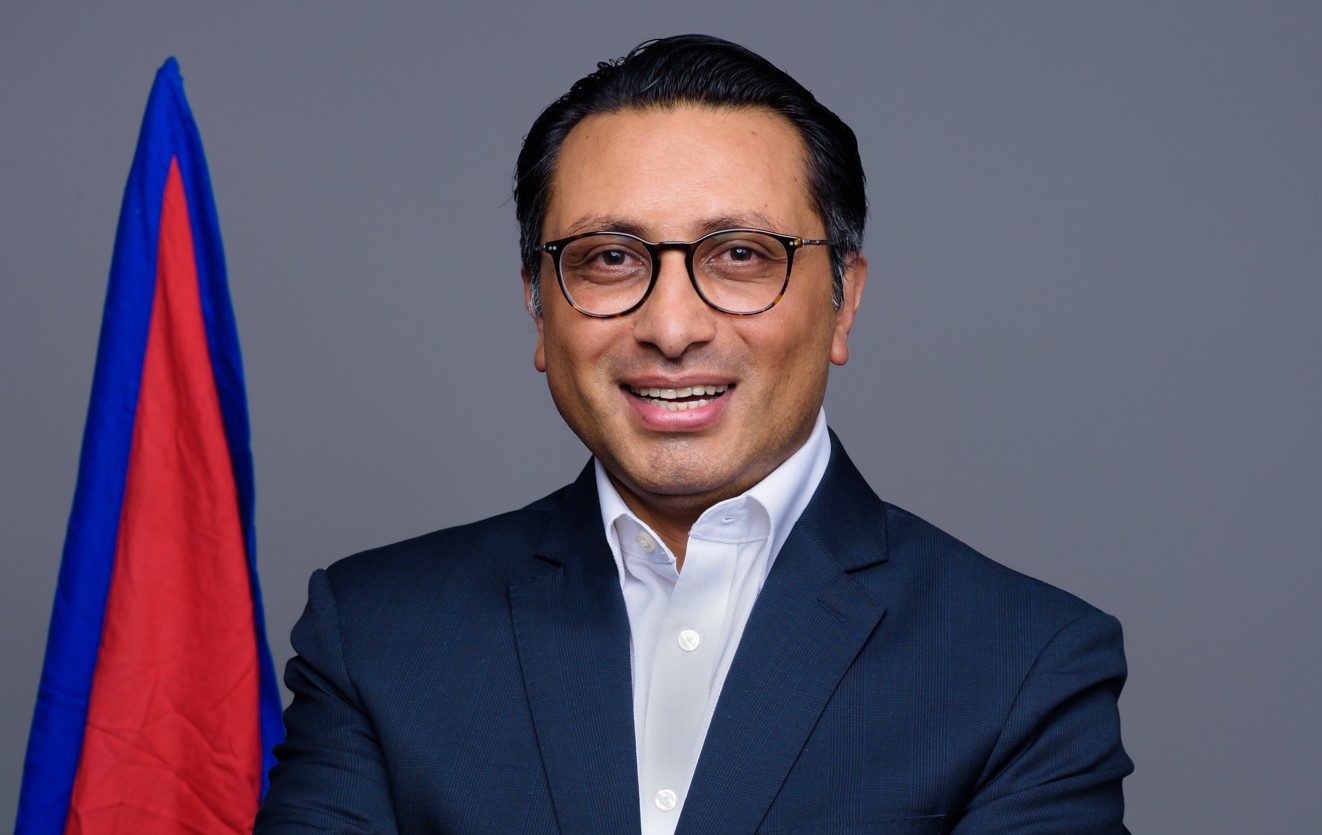
Dr Swarnim Wagle is one of Nepal’s most prominent economists, with extensive national and international experience. Formerly associated with the Nepali Congress, he joined the Rastriya Swatantra Party (RSP) and currently serves as its vice-chair.
After being denied a ticket in the 2022 election despite playing a key role in drafting Congress’s election manifesto, Wagle contested and won the Tanahun-1 by-election in 2023, securing 34,919 votes.
This time, he faces stiff competition from Congress candidate Govinda Bhattarai, UML’s Bhagwati Neupane, and CPN’s Bidyanath Dhakal. While Wagle previously benefited from anti-establishment sentiment, the Congress’s renewed unity and leadership change pose a fresh challenge.
Dr Prakash Sharan Mahat
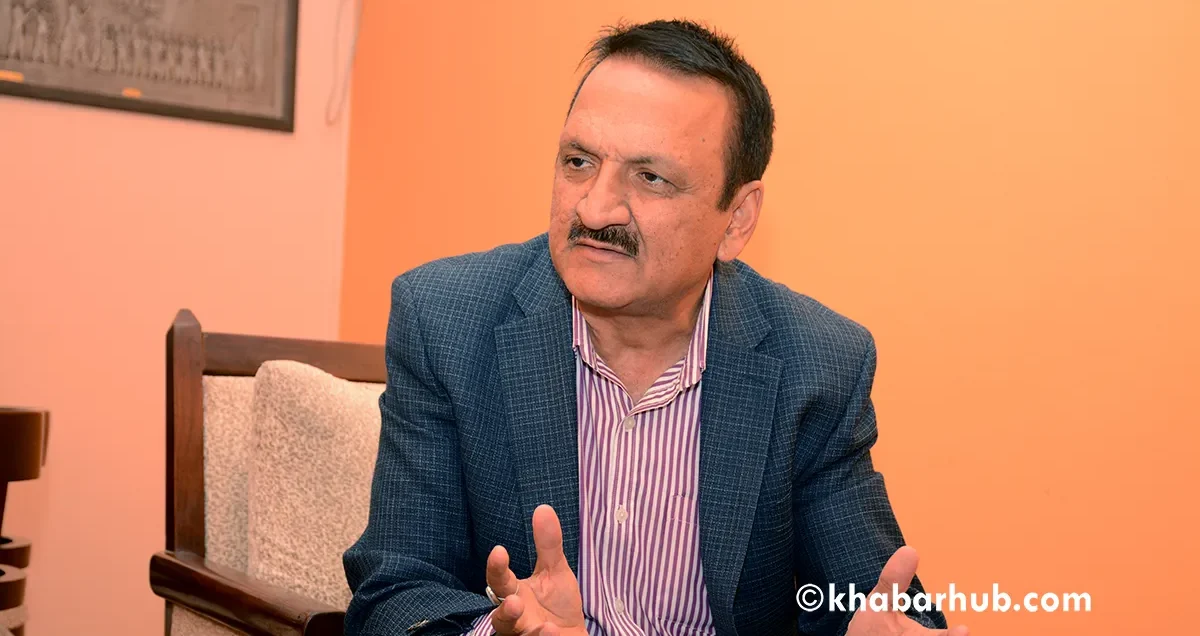
Dr Prakash Sharan Mahat, a PhD economist and senior Nepali Congress leader, is contesting from Nuwakot-1. Despite strong academic credentials and ministerial experience in finance and energy, Mahat has faced internal party controversies and was sidelined following the party’s special general convention.
In the 2022 election, CPN candidate Hit Bahadur Tamang won the seat with Congress support, while UML’s Badri Mainali finished second. RSP has also been steadily expanding its vote base in the constituency.
With UML, Congress and CPN enjoying nearly equal proportional votes in Nuwakot, and RSP emerging as a fourth force, Mahat faces a highly competitive four-way contest.


Comment