




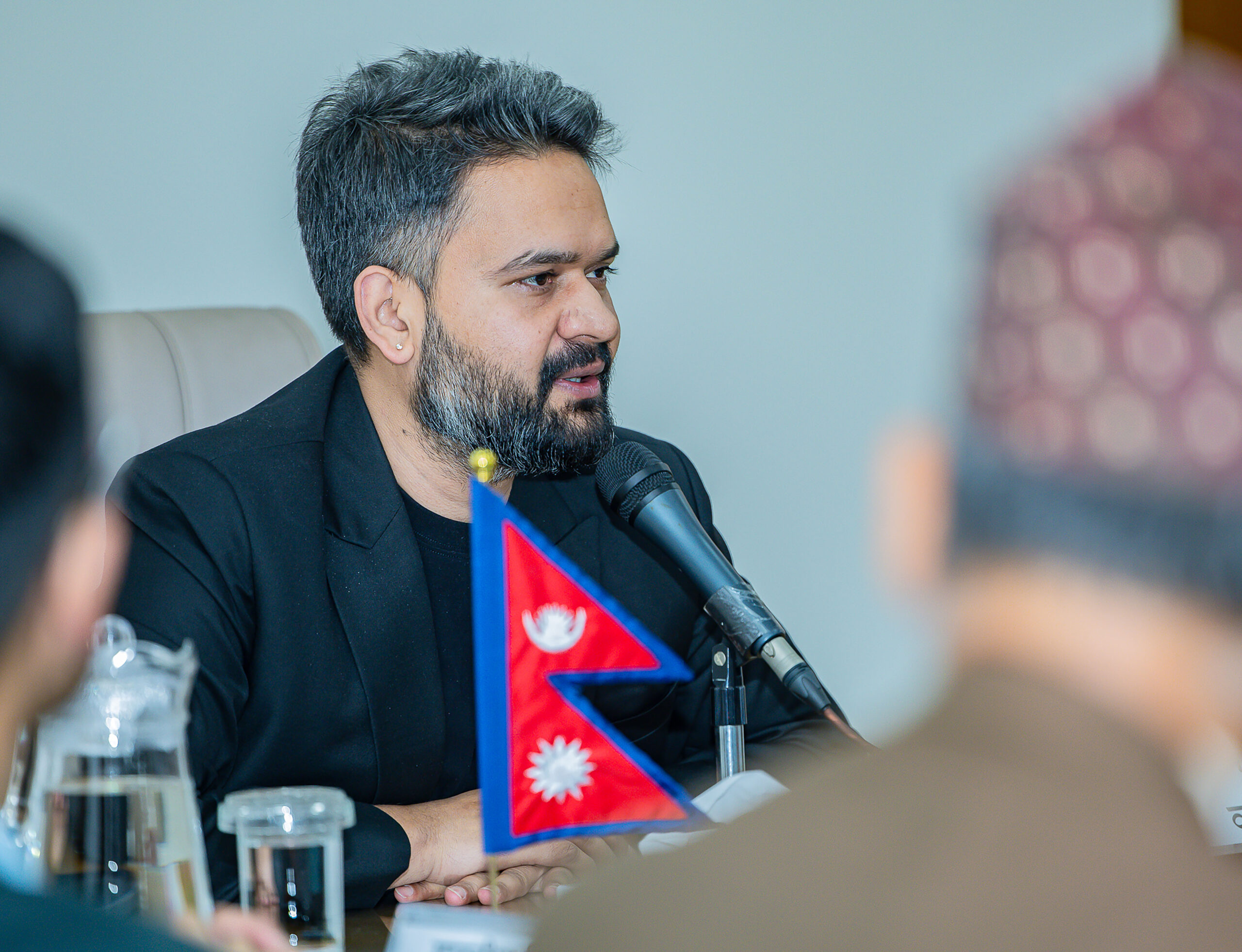
KATHMANDU: The government has registered a bill in the Federal Parliament proposing the formation of a National Service Corps in schools to provide military-style training to students.
Titled the National Service Corps Bill, the proposed legislation seeks to replace the National Service Corps Act, which is no longer in implementation. The government says the new law is intended to align the legal framework with the Constitution and Nepal’s federal structure while modernizing the service corps.
The bill, presented by Prime Minister and Defence Minister Balen Shah, states that its primary objective is to foster patriotism, public service, and national unity among school students.
It also aims to implement the national security policy outlined in Article 51(a) of the Constitution by preparing citizens to serve the nation. According to the bill’s statement of objectives, the 56-year-old law is no longer adequate to address current needs and institutional arrangements.
Under the proposed legislation, students from both community and institutional schools will be eligible to participate in the training programme.
The programme will be divided into two categories. The Junior Division will include students in Grades 8 to 10, aged between 13 and 18, while the Senior Division will cover students in Grades 11 and 12, aged between 16 and 21.
Training will be conducted in two phases. The first phase will take place at students’ respective schools, while the second will be held at National Service Corps training centres.
Students who complete the training may be mobilized as volunteers in areas such as public service, infrastructure development, disaster management, epidemic response, and environmental conservation.
The bill also empowers the government to provide training to any Nepali citizen or institution during times of national necessity. Clause 18 states that the National Service Corps may train and mobilize citizens for national service if deemed necessary by the government.
The proposed organisational structure designates the Prime Minister as the Chief Patron and the Defence Minister as the Patron of the National Service Corps.
A Director Committee, chaired by the Defence Minister, will provide policy direction. Its members will include the Chief of Army Staff, the Defence Secretary, and the Education Secretary.
The bill also proposes the appointment of an Executive Director General to head the organisation’s administration. The government will appoint the official for a two-year term from among retired lieutenant generals, based on the recommendation of the Chief of Army Staff.
The National Service Corps headquarters will be located in the Kathmandu Valley, with training centres and offices to be established elsewhere as needed.
Cadets will be required to maintain strict discipline throughout the training period. Those found violating disciplinary rules or deemed physically or mentally unfit may be removed from the programme.
The bill also provides for food, accommodation, and insurance for cadets during training, while serving military personnel will be deployed as instructors.






Comment