




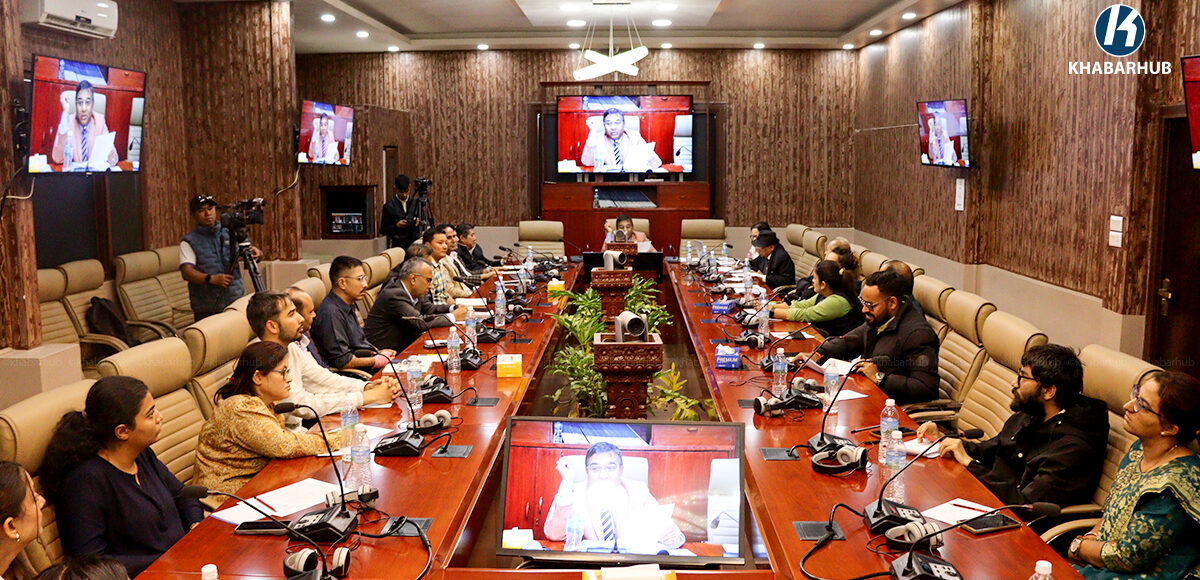
KATHMANDU: Nepal must move beyond highlighting its vulnerability to climate change and establish itself as a credible contributor to regional and global climate solutions through concrete domestic action, scientific evidence and stronger regional cooperation, speakers said at a national policy symposium held in Kathmandu on Monday.
The Institute for Strategic and Socio-Economic Research (ISSR) and Khabarhub organised the symposium under the theme “Nepal After UNGA: From Climate Victims to Climate Leadership”.
The discussions focused on how Nepal could translate its recent engagement at the United Nations General Assembly (UNGA) into measurable national achievements and stronger climate diplomacy ahead of the 31st Conference of the Parties to the UN Framework Convention on Climate Change (COP31), scheduled to take place in Antalya, Türkiye.
The symposium highlighted that Nepal’s geographical vulnerability, experience of climate-related disasters and longstanding commitment to multilateralism provide a strong foundation for climate leadership. However, participants stressed that international recognition must be supported by effective policies, institutional capacity, strategic investment and tangible results.
A key message emerging from the discussions was the need to advance the “Sagarmatha to the Sea” vision by recognising the interconnected relationship between Himalayan glaciers, river systems, downstream communities, coastal regions and the sea. The symposium emphasised that climate change in the Himalayas is not merely a national concern but has wider implications for water security, agriculture, energy, livelihoods and ecological stability across South Asia.
Participants called for stronger regional cooperation in climate science, glacier and river-basin monitoring, information sharing, early warning systems and disaster preparedness. In this regard, the proposed Himalayan Climate Resilience Mechanism was identified as a possible framework for strengthening regional collaboration.
The discussions also underscored the importance of placing climate-affected communities at the centre of national policies and international negotiations. Participants noted that the consequences of climate disasters extend beyond immediate loss of life and physical damage, affecting livelihoods, agriculture, education, health services, cultural heritage and local economies.
They called for systematic documentation of the experiences of disaster-affected families, farmers, women, Indigenous communities and other vulnerable groups to ensure that their concerns are reflected in climate assessments and policy decisions.
Nepal faced a series of devastating disasters in recent months, resulting in significant losses of lives and property. The August disaster in Bhotekoshi and the floods in the Kaligandaki River in September caused extensive damage. Heavy rainfall has also triggered floods and landslides, disrupting road networks and transportation in various parts of the country. Experts believe climate change could be a major contributing factor behind the increasing frequency and intensity of such disasters.
The issue has gained added significance ahead of the 31st Conference of the Parties (COP31), scheduled to take place in Antalya, Türkiye, from November 9 to 20. As world leaders prepare to gather to discuss climate action, policy priorities and future commitments, Nepali stakeholders have stressed the need for the country to strengthen its international climate diplomacy and emerge as a proactive voice for climate justice.
Speaking at the programme, former Nepal government Chief Secretary and Chairman of ISSR, Shankar Das Bairagi described climate change as a long-term and structural challenge rather than merely a technical issue. Referring to the approval of USD 20 million from the climate loss and damage fund, he said Nepal should view the development positively and make effective use of the available resources. He also argued that climate leadership could become an important source of Nepal’s soft power and strengthen its position in international affairs.
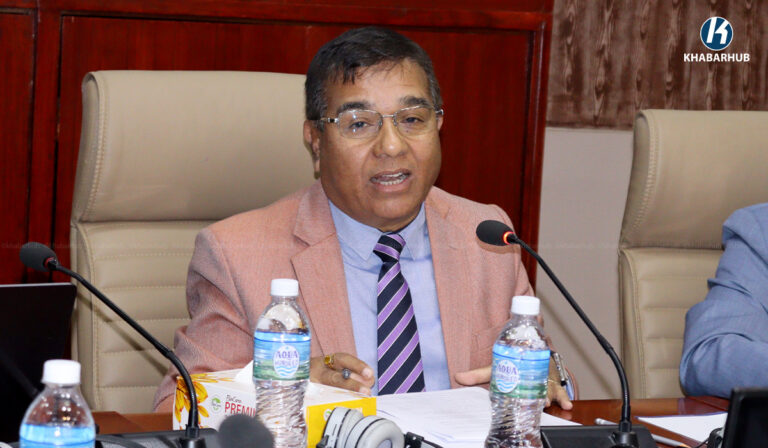
Presenting a working paper, former secretary and climate expert Dr. Pem Kandel highlighted the widening gap between the financial resources required to address climate change and the commitments made by the international community.
According to Kandel, approximately USD 7.5 trillion in annual investment will be required by 2030 to limit global temperature rise to 1.5 degrees Celsius. The required investment is projected to reach USD 8.8 trillion annually between 2031 and 2050. However, international financial commitments remain far below the estimated requirements, he noted.
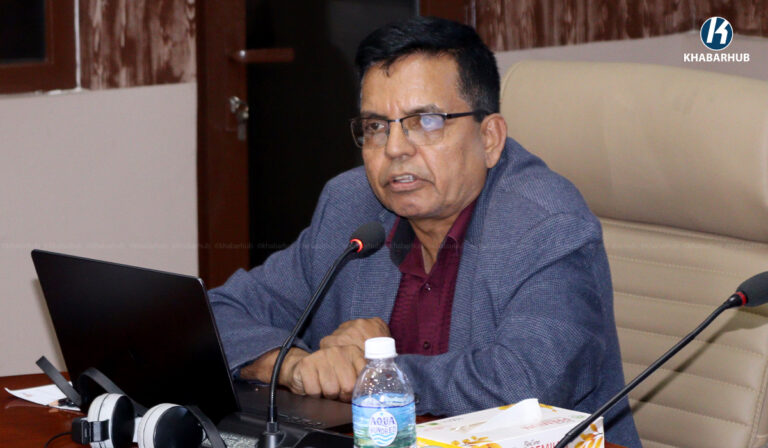
Professor Dr. Sangita Singh of the Institute of Engineering Studies stressed that disaster resilience must begin with a proper understanding of geographical vulnerabilities. She argued that even well-constructed houses and infrastructure could remain vulnerable if they are built without adequately considering local geographical and geological conditions.
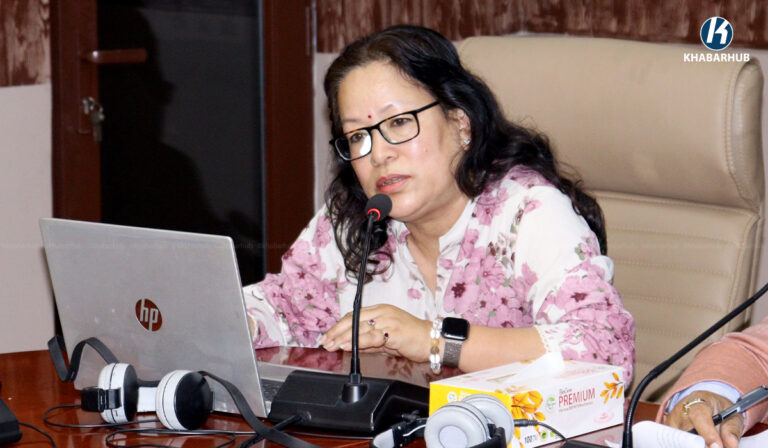
She also emphasized that resources received through the loss and damage fund should not be limited to rebuilding damaged houses and infrastructure. A portion should be invested in research, scientific studies and long-term planning to reduce future disaster risks.
Referring to the Bhotekoshi disaster, Singh said Nepal should treat the tragedy as an opportunity to strengthen disaster preparedness, develop climate-resilient policies and ensure environmentally responsible reconstruction. She further stressed that Nepal should not be defined solely by its vulnerability to climate change but should highlight its efforts to protect the environment and the fragile Himalayan ecosystem.
Similarly, Dr. Krishna Devkota, Vice-Chairperson of the Gandaki Province Policy and Planning Commission, said Nepal must strengthen its federal, provincial and local institutions to establish itself as a credible climate leader.

He emphasized the importance of coordination among all three levels of government in addressing climate change and reducing disaster risks. He also said Gandaki Province had been prioritizing disaster risk reduction and measures to address the challenges arising from climate change.
Associate Professor Chandralal Pandey of Kathmandu University highlighted the need for meaningful youth participation in climate action and disaster management. He observed that youth representation in decision-making processes, from local community organizations to national policymaking institutions, often remained largely symbolic.
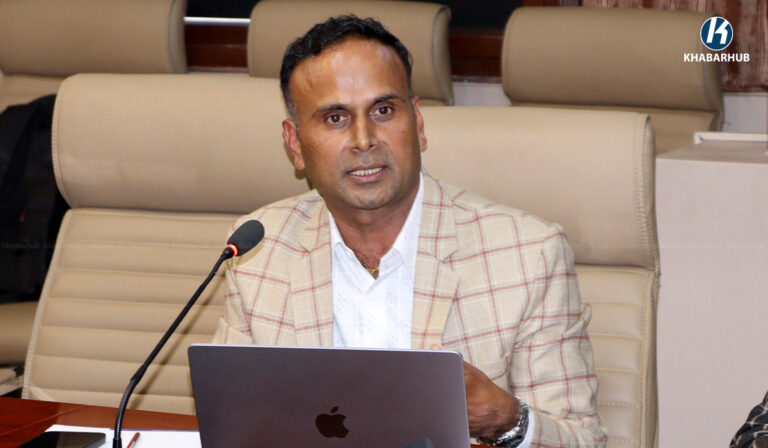
Pandey argued that young people must be directly involved in policy formulation, development planning and implementation rather than being included merely to fulfil formal representation requirements. He also stressed the need to expand access to climate education, disaster-related training and practical, employment-oriented learning opportunities to empower young people.
Researcher Dr. Sudan Kumar Oli pointed out that although several international and domestic financing mechanisms have been established to address climate change, the available resources remain inadequate compared to the scale of the challenge.
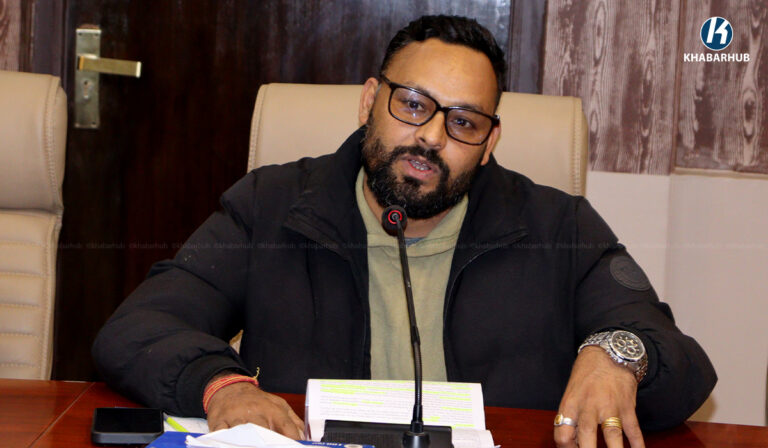
He also highlighted the complexities of post-disaster recovery and rehabilitation, stressing the need to improve resource mobilization and ensure that financial assistance reaches affected communities efficiently and without unnecessary delays.
The discussions underscored that Nepal’s transition from climate vulnerability to climate leadership will require more than international advocacy. Strong institutions, evidence-based policymaking, adequate financing, scientific research, climate-resilient infrastructure and meaningful public participation will be essential to turning its climate commitments into tangible action.
Speakers at the interaction also stressed the need to strengthen regional cooperation, arguing that Nepal cannot effectively confront climate-related disasters on its own. They called for internal institutional and structural reforms to advance climate diplomacy and enhance the country’s capacity to engage with regional and international partners.
Everest climber Jangbu Sherpa, comparing his experiences of climbing Everest in 2008 and 2018, said the amount of snow and ice in the Everest and Khumbu regions had noticeably declined. He warned that a disaster similar to the one in Bhotekoshi could cause massive loss of life and property if it struck the Khumbu region.

Sherpa also said declining snow levels in the Himalayas were creating additional challenges for mountaineering. He cautioned that continued climate change could leave the Everest region without snow within the next 30 years.
Chheten Gyalpo, a resident of Syafrubesi in Rasuwa who was affected by the Bhotekoshi disaster, called on all three levels of government to prioritize climate change and disaster risk reduction.
Sharing his personal experience, Gyalpo said the Himalayas, which once filled him with pride and admiration, had increasingly become a source of fear because of the growing threat of climate-related disasters. He also stressed that potential disaster risks must be carefully assessed before undertaking development infrastructure projects.
Former Asian Development Bank Vice-President Dr. Bindunath Lohani emphasized the need to mobilize greater financial resources for climate change research and disaster management. He called for strengthening universities and research institutions to improve scientific understanding and policymaking.
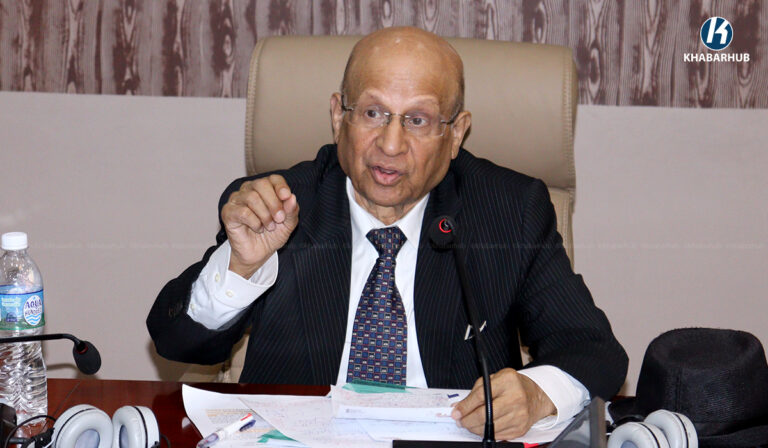
Lohani also highlighted the importance of improving data collection and analysis, while stressing that infrastructure development must follow more climate-resilient and risk-informed approaches.
Environmentalist Purna Chandra Lal Rajbhandari called for greater attention to disaster preparedness and management, noting that Nepal continues to face recurring disasters every year.
Former Nepal government secretary Kewal Prasad Bhandari said Nepal’s participation in COP31 could carry greater weight if Prime Minister Balendra Shah attended the conference in person. He also cautioned that accessing the approved funding from the Climate Change Loss and Damage Fund could involve a lengthy process, requiring the government to prepare accordingly.
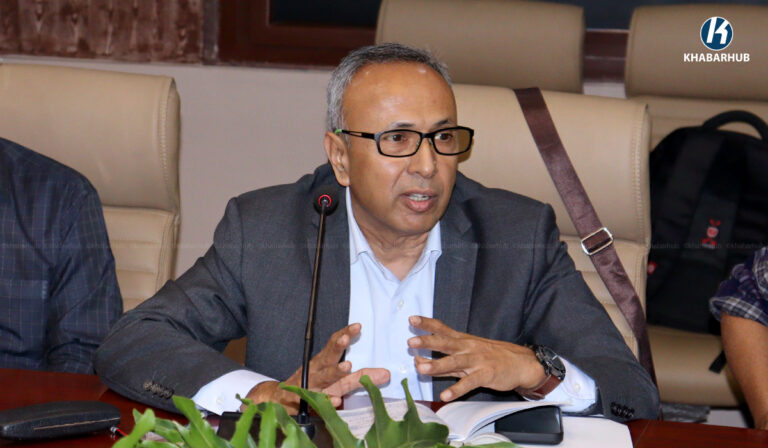
Bhandari stressed that Nepal should not delay its climate action while waiting for international financial assistance. Instead, the country must take proactive measures and mobilize available resources without making implementation dependent on the arrival of external funding.
Similarly, Bishnu Adhikari, Governance Director of The Asia Foundation, observed that international financial commitments alone would not guarantee effective climate action. He said Nepal must strengthen its domestic institutions and implementation mechanisms to ensure that international assistance is properly utilized.

Independent energy entrepreneur Suman Joshi said the Bhotekoshi disaster had resulted not only in the destruction of infrastructure but also in the loss of skilled human resources. She pointed out that Nepal’s neighbouring countries are among the major carbon emitters and argued that their contribution to climate-related impacts in Nepal should be recognized.
Joshi stressed that Nepal must urge neighbouring countries to assume greater responsibility for the consequences of climate change and strengthen regional accountability.
Niranjan Devkota, Research Fellow at the Policy Research Institute, called for more comprehensive preparations to address disaster risks and climate change. He emphasized the need for long-term planning rather than relying on short-term responses after disasters occur.
Likewise, Sushma Rai, Programme Coordinator at the Centre for Asian Futures of the Asian Institute of Diplomacy and International Affairs, argued that Nepal should place greater emphasis on disaster preparedness rather than focusing primarily on disaster response and management.
She stressed that regional cooperation was essential to reducing disaster risks and mitigating climate change impacts, calling for stronger collaboration among countries across the region.
Rai also emphasized the importance of involving local communities in climate-related discussions and incorporating indigenous knowledge into policymaking and disaster preparedness strategies.
Young environmentalist Sandhya Dhungana stressed that climate policies must go beyond formal commitments and ensure effective implementation. She also emphasized that funds received through international climate financing mechanisms should be mobilized at the local level to directly benefit vulnerable communities.

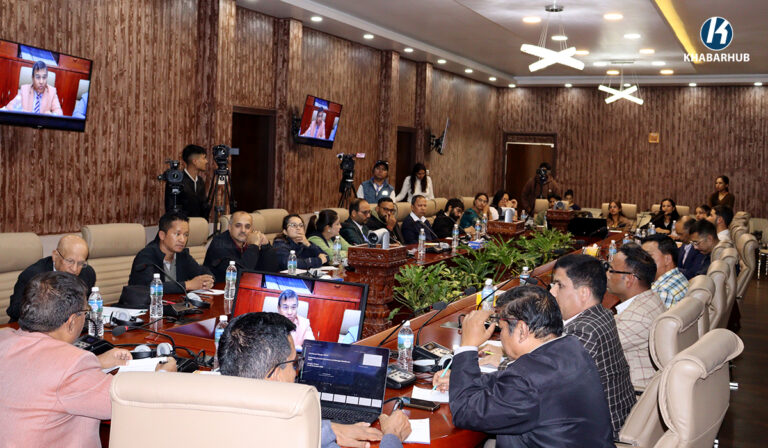
More than 35 participants attended the programme, including environmentalists, former government officials, residents of Himalayan regions, academics, journalists, policymakers, hydropower entrepreneurs and representatives of various organizations.









Comment