




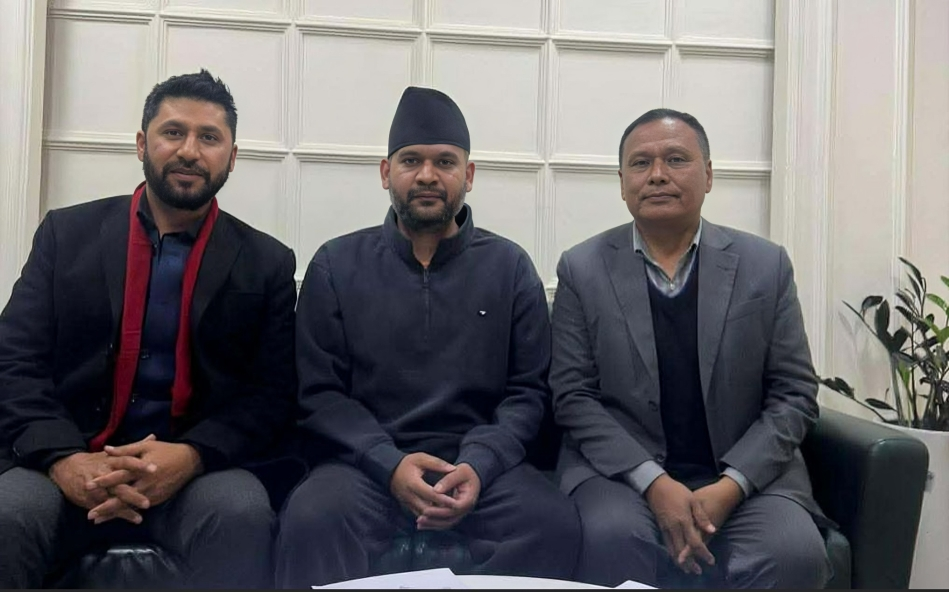
KATHMANDU: The unification of Kathmandu Metropolitan City Mayor Balen Shah, Rabi Lamichhane-led Rastriya Swatantra Party (RSP), and Kulman Ghising’s Ujyalo Nepal Party has sent ripples through Nepal’s traditional and so-called ‘big’ political parties, intensifying realignments ahead of upcoming elections.
The call for alternative politics was first raised in 2017 by Bibeksheel Sajha. However, after that party failed to sustain momentum, the alternative political banner has, since 2022, largely been carried by the RSP, which has already absorbed Bibeksheel. The latest merger has further consolidated this alternative bloc.
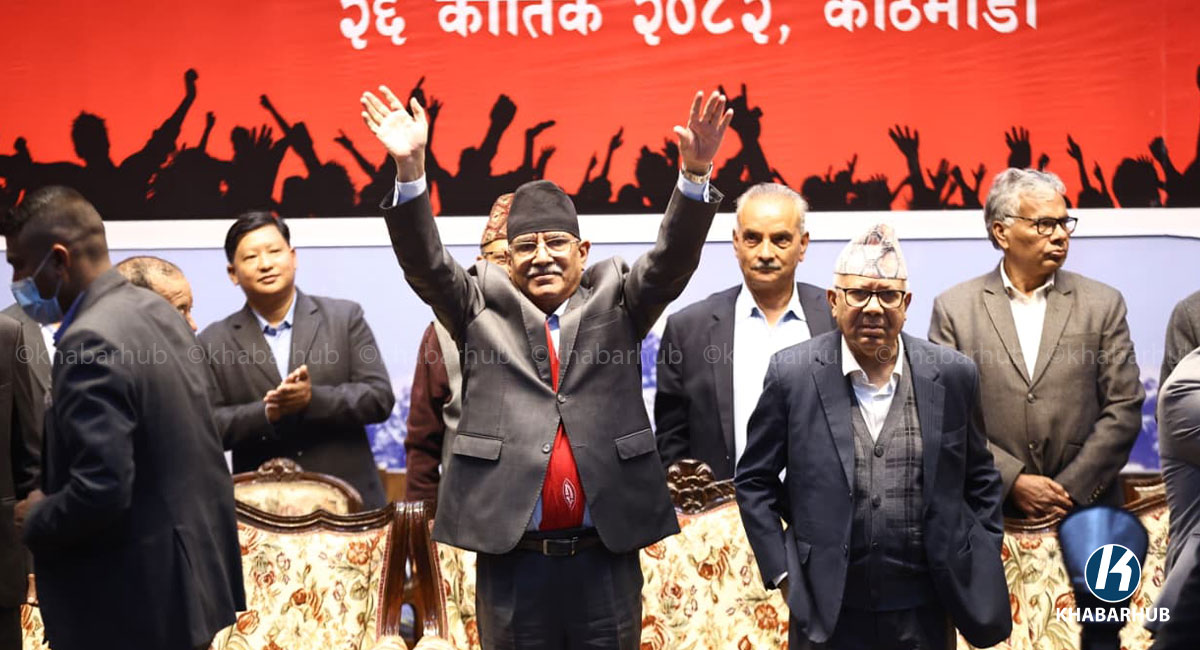
Even before the Ghising–Balen–Rabi unification, two major left forces, the CPN (Maoist Centre) and the CPN (Unified Socialist), had merged to form the Nepali Communist Party (NCP). Since unification, the party has been expanding its organisational footprint and increasing its cadre base, holding unity message assemblies across cities in all seven provinces. So far, no visible rift has emerged between party leaders Madhav Kumar Nepal and Pushpa Kamal Dahal ‘Prachanda’.
Madhesh parties merge
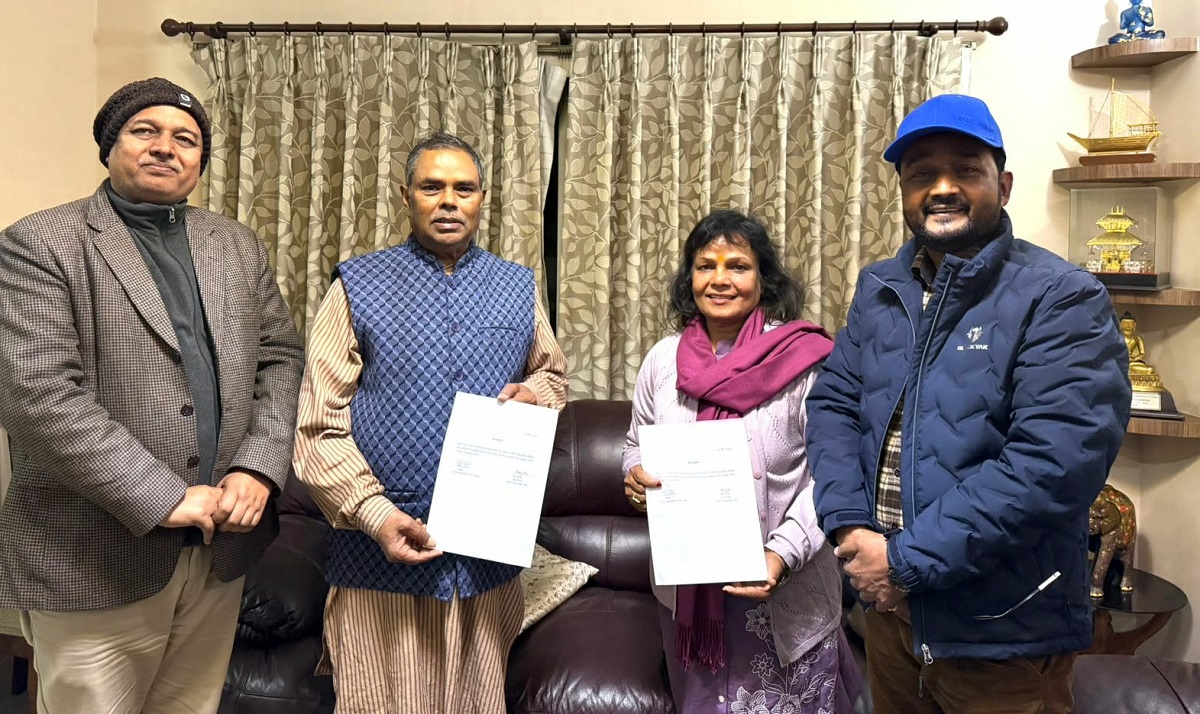
Meanwhile, on Sunday evening, two key Madhesh-based parties, Mahanta Thakur’s Loktantrik Samajwadi Party (LSP) and Upendra Yadav-led Janata Samajwadi Party Nepal (JSP-N), also announced their merger. Following the unification, the two parties agreed to cooperate under a single election symbol.
Earlier, in April, JSP-N had split, with Ashok Rai forming a separate JSP. However, leaders including Renu Yadav and the Pradip Yadav faction have now returned to Upendra Yadav’s JSP-N, with a formal agreement reached on Monday.
Ghising joins RSP
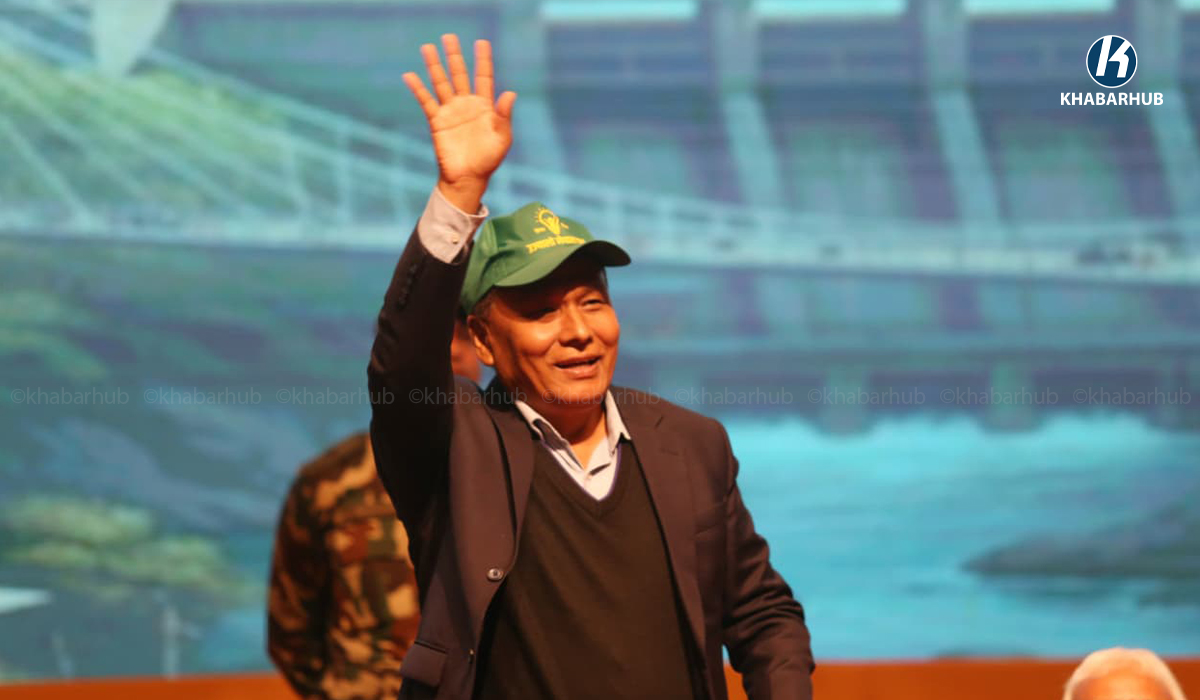
In another significant development, Kulman Ghising’s Ujyalo Nepal Party has officially merged into the RSP. Following talks on Monday evening among Ghising, RSP Chair Rabi Lamichhane, and Mayor Balen Shah, Ghising was appointed RSP vice-chairperson. Ujyalo Nepal has been fully absorbed into the RSP.
As part of the agreement, Ghising has secured space for 18 candidates on the proportional representation list. Gen-Z leader Sudan Gurung said he played a key role in facilitating the merger of Ujyalo Nepal into the RSP. Mayor Balen Shah also publicly thanked Gurung via social media, acknowledging his contribution.
Previously, Ujyalo Nepal central member Dr Mahendra Lawoti had argued for moving forward through a broader front. Lawoti has now been included in the RSP’s proportional list.
On the other hand, Janardan Sharma’s Pragatisheel Loktantrik Party submitted its closed proportional list on Monday. Despite earlier talks, prospects of a merger between RSP and Pragatisheel Loktantrik Party have effectively ended, a position earlier echoed by RSP leader Dr Swarnim Wagle, who was tasked with coordinating efforts to unite alternative forces.
Ghising had met both Janardan Sharma’s team and the RSP team on Sunday to discuss possible unity. He had also consulted Mayor Balen Shah, proposing electoral cooperation even if full unification was not possible. After prolonged negotiations, Balen, Ghising and Rabi have now come together, with Sudan Gurung’s role seen as decisive.
What are Nepali Congress and UML doing?
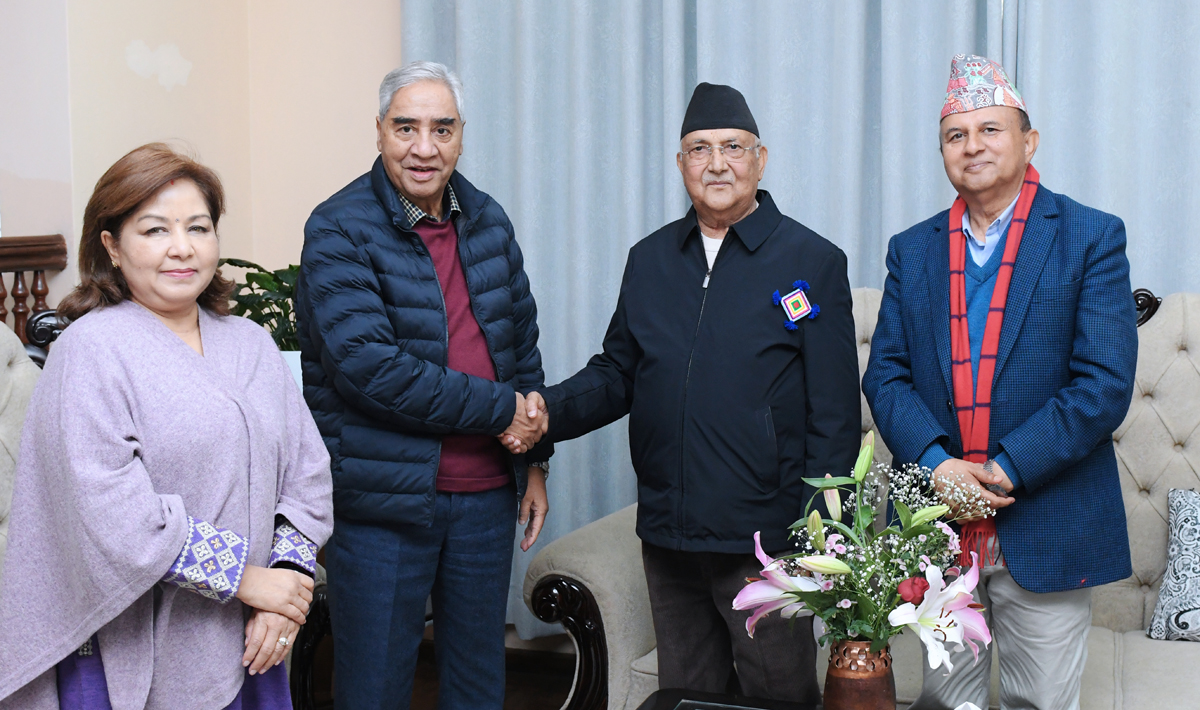
Nepali Congress and CPN-UML are not in a position to pursue party unification, given their ideological differences. However, both appear open to electoral cooperation. Following the Gen-Z movement protests on September 8 and 9, the two major parties were pushed out of power, prompting strategic recalibration.
With new forces uniting, Nepali Congress and UML appear to be exploring various options to counter potential pressure from emerging blocs. One immediate testing ground is the upcoming National Assembly elections scheduled for January 25, where parties with differing ideologies are preparing for cooperation.
Internationally, cooperation between rival parties is rare but not unprecedented. A similar scenario was witnessed from Asar 2081, when Congress and UML worked together. Despite losing a two-thirds majority, both parties have not ruled out functional unity for the upcoming National Assembly polls.
Asked about this, UML Vice-Chair Prithvi Subba Gurung told Khabarhub, “Whether there will be electoral cooperation between Congress and UML remains to be seen. But we will move forward through cooperation in the National Assembly elections.”
On the possibility of extending cooperation to House of Representatives elections, Gurung said, “There has been no discussion on that. In this complex situation, we believe parties should compete independently. Electoral cooperation is not necessary; competition is legitimate.”
Despite such statements, political observers note that if UML Chair KP Sharma Oli and Nepali Congress President Sher Bahadur Deuba jointly decide on electoral cooperation, dissenting voices within their parties may have limited room to object.
Nepali Congress leader Shyam Ghimire also maintains that cooperation with UML will be limited to the National Assembly elections, ruling out an alliance for the federal parliamentary polls scheduled for March 5.
“We want to make it clear that Congress and UML will cooperate in the National Assembly election,” Ghimire said. “But I do not see the possibility of cooperation in the House of Representatives elections.”
He argued that major parties are tested in complex circumstances and dismissed the idea that smaller parties uniting could significantly weaken larger ones. “Congress is not afraid of who aligns with whom. We have raised our voice for contesting the March elections independently, and the leadership understands this,” he added.
Lessons from 2022 elections
In the 2022 elections, Nepali Congress contested in alliance with the Maoist Centre and Unified Socialist, a move that cost the party dearly in several constituencies. Long-time Nepali Congress voters were dissatisfied after being asked to vote for hammer-and-sickle or pen symbols instead of the party’s traditional tree symbol. This resentment contributed to defeats of several top Congress leaders in their home constituencies.
Nepali Congress spokesperson Prakash Sharan Mahat said the party is cautious not to repeat the same mistake with UML this time. A close confidant of Deuba, Mahat said there is currently no prospect of an electoral alliance between Congress and UML for the House of Representatives polls.
Where does Prachanda’s party stand?
Ashok Rai’s JSP is also reportedly in dialogue with Prachanda-led NCP. However, UML Vice-Chair Gurung claimed that Rai is close to finalizing an understanding with UML instead.
Discussions around broader left unity have not entirely faded, but Gurung said the possibility of leftist unification before the March elections is “less than one percent”.
“Oli has clearly stated that there will be no cooperation with Madhav Nepal and Prachanda’s teams under any circumstances,” Gurung said, adding that left unity is not feasible at present.
At UML’s 11th general convention, NCP leader Dev Gurung had emphasised the need for leftist polarisation. However, Oli has consistently cited the failed and premature UML–Maoist merger of 2017 as a cautionary example.
Former Prime Minister Jhalanath Khanal, meanwhile, continues to argue that broad left unity is essential during times of crisis. “I have repeatedly said that broad left unity is necessary, but our leaders failed to understand it,” Khanal said. “There is no possibility of uniting with UML before the elections, but in the long run, all left forces will come together.”
Madhav Nepal, coordinator of the NCP, also said his party is strong enough on its own and does not see an immediate need for unity with UML or other parties. “We are a strong nationwide force. We have visited all seven provinces and witnessed the public momentum ourselves,” he said.
Unity for power or people?
Political analyst Hari Rokka said unity among like-minded forces can be beneficial, but warned against alliances driven solely by power-sharing. “Unity should focus on improving people’s livelihoods and solving their problems, not just distributing positions,” he told Khabarhub. “If unity is centered only on power-sharing, it will ultimately harm society.”
On the right, royalist parties, the Rastriya Prajatantra Party led by Rajendra Lingden and RPP Nepal led by Kamal Thapa, merged two weeks ago after years of division driven by internal interests. While these forces reject the current constitution and republican system, analysts say their unification does not pose an immediate threat to democracy. Still, despite being the fifth-largest party in 2022, internal disputes and leadership tussles have led to a gradual erosion of their influence.



Comment