




KATHMANDU: Dengue infections have exceeded 5,000 cases this year. Since the beginning of 2025, which started in mid-December 2024, a total of 5,196 cases have been confirmed.
The infection has now spread across 75 districts, with 294 new cases reported in the last week alone, according to the Epidemiology and Disease Control Division (EDCD).
It added that 1,327 infections have been reported in Gandaki Province, followed by 1,191 in Bagmati, 911 in Lumbini, 737 in Koshi, 622 in Sudurpaschim, 296 in Karnali, and 112 in Madhesh Province.
The data recorded by the EDCD and uploaded into the government system represent only a small portion of the true burden of dengue in the country.
According to the Division, infections have significantly decreased compared to last year. Although the disease has spread widely across the country this year, no specific area has emerged as a major hotspot.
Meanwhile, health experts have warned that the risk of dengue transmission may rise during the Dashain festival, as people travel more to and from different regions.
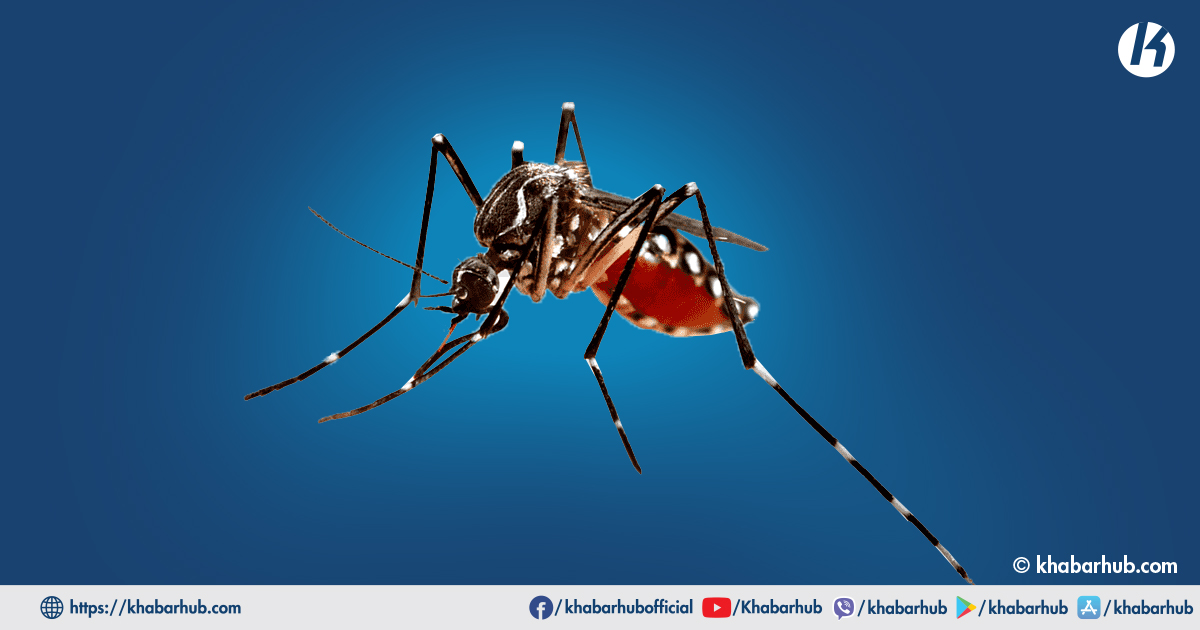
Dengue is transmitted by the bite of Aedes aegypti and Aedes albopictus mosquitoes. When an infected person is bitten by a mosquito, the virus can be transmitted to the mosquito. Once infected, the mosquito—and even its offspring—can carry and spread the virus.






Comment