




KATHMANDU: For centuries, Upper Mustang would empty out by early winter. By October, nearly all residents of Lomanthang and Lo-Ghekar Damodarkunda would migrate downhill to escape extreme cold and to run seasonal businesses. Water taps froze solid, irrigation canals turned to ice, and schools shifted their entire classes to the lower belt. Only elderly villagers and herders stayed behind.
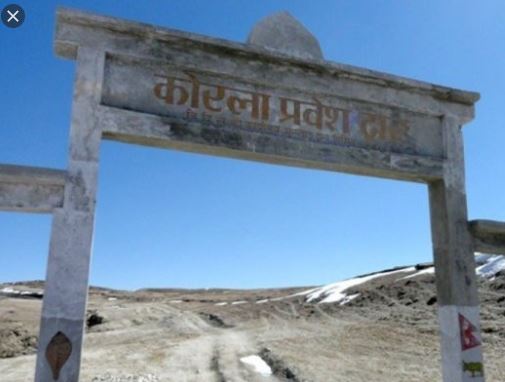
But this year, that centuries-old pattern is changing. The transformation began after the Nepal-China Korala border point, once open only briefly in monsoon trade fairs before COVID, was fully opened year-round in November 2023. Though it initially remained only partially operational, Upper Mustang residents slowly started setting up makeshift trade tents along the border.
The real shift came this August, when Korala became fully operational. With Tatopani and Rasuwagadhi routes disrupted by landslides, Nepal-China trade rerouted heavily through Korala. So far, the Mustang Customs Office has collected nearly Rs 4 billion in revenue through the checkpoint.
According to Karma Namgyal Gurung, ward chair of Lomanthang-2, the fully functioning border has opened a new economic door for Upper Mustang. Until last year, up to 90 percent of residents left for the winter. “This year, only a fraction have migrated,” he said.
More than 30 locals have set up temporary trade huts in the no-man’s-land area, while many others work in the Chinese market just across the border. Young people are engaged in loading and unloading goods, assisting with import–export of electronic vehicles, and working for logistics companies. Many now earn between Rs 5,000 and Rs 10,000 per day. Gurung estimates that nearly 500 people have found direct or indirect employment.
Damodarkunda Rural Municipality chair Lopsang Chomphel Bishht said that nearly two-thirds of residents are staying back this winter. “Last year, 80 percent had left by this time. This year, only 30 percent from Lomanthang and 50 percent from Damodarkunda have gone downhill,” he said. The rest are staying to work or run businesses along the border.
Hotels along the Jomsom-Korala highway remain open, and the entire Lomanthang bazaar is operational, said Umesh Paudel, chief of the Annapurna Conservation Area Project (ACAP) office in Lomanthang. “Some houses are locked, but most hotels and many homes still have people. Locals say they will migrate only if the border shuts. Otherwise they prefer to stay and run their businesses.”
Life in winter, however, remains harsh. Temperatures drop to minus 20 degrees Celsius, freezing taps, safety tanks, and irrigation canals. “You can walk around during sunny afternoons, but mornings and evenings are too cold to step outside,” ACAP chief Paudel explained.
Even with the winter schools already shifted downhill, many households have chosen to stay back for the first time in living memory.
Meanwhile, more than 300 containers carrying goods from China are queued for customs clearance at Korala, said Mustang Customs Office chief Ramesh Paudel. Vehicles carrying imports are lined up on both sides of the border for inspection and documentation.
With Korala now emerging as Nepal’s vital northern trade gateway, Upper Mustang is witnessing a historic shift, its harsh winter no longer forces a mass exodus, and a new border-driven economy is taking shape.





Comment