




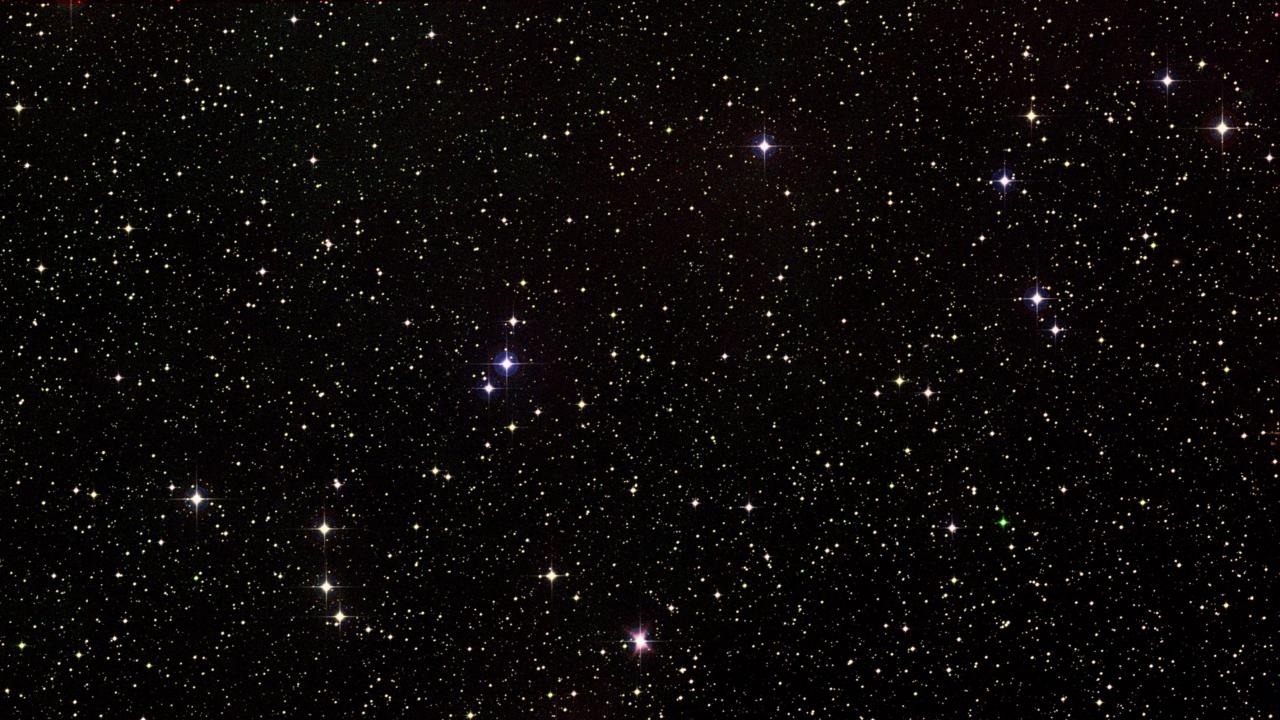
FINLAND: The largest sample of galaxy groups ever detected has been presented by a team of international astronomers using data from the James Webb Space Telescope (JWST) in an area of the sky called COSMOS Web.
The study marks a major milestone in extragalactic astronomy, providing unprecedented insights into the formation and evolution of galaxies and the large-scale structure of the universe.
Peering back in time to when the universe was younger than the Earth is now, the images span the period from around twelve billion years ago until one billion years ago.
The new catalogue of images, soon to be published in the journal Astronomy and Astrophysics (A&A), includes nearly 1,700 galaxy groups.
The research group’s impressive image of a galaxy cluster over six billion light years away is currently showcased as the European Space Agency’s (ESA) picture of the month.
“We’re able to actually observe some of the first galaxies formed in the universe,” says Ghassem Gozaliasl of Aalto University, and head of the galaxy groups detection team who led the study.
“We detected 1,678 galaxy groups or proto-clusters — the largest and deepest sample of galaxy groups ever detected — with the James Webb Space Telescope. With this sample, we can study the evolution of galaxies in groups over the past 12 billion years of cosmic time,” added Gozaliasl.
The James Webb Space Telescope began operating in 2022. The largest telescope in space, with its higher resolution and greater sensitivity, has enabled astronomers to see farther and better than ever before.
Because light travels at a finite speed, the further away an object is, the further back in time our image of it.
By observing very faint, very distant galaxies — the faintest galaxies in this dataset are one billion times dimmer than the human eye can see — the team got a glimpse of what galaxies looked like in the early universe, Gozaliasl said. Gozaliasl explains that galaxy groups and clusters are rich environments filled with dark matter, hot gas, and massive central galaxies that often host supermassive black holes.
“The complex interactions between these components play a crucial role in shaping the life cycles of galaxies and driving the evolution of the groups and clusters themselves,” said Gozaliasl.
“By uncovering a more complete history of these cosmic structures, we can better understand how these processes have influenced the formation and growth of both massive galaxies and the largest structures in the universe,” added Gozaliasl. (ANI)






Comment