




KATHMANDU: The violent Gen-Z protests of September 8 and 9, which toppled the government, have inflicted heavy losses on Nepal’s tourism sector. Arson attacks under the banner of the movement left the Hilton Hotel in Naxal destroyed, while around two dozen other hotels suffered damage.
The unrest came just as Nepal’s peak tourist season was beginning, raising fears of long-term impacts on both domestic and foreign investment in the hospitality industry. In response, the government has pledged policy and programmatic support to help the sector recover.
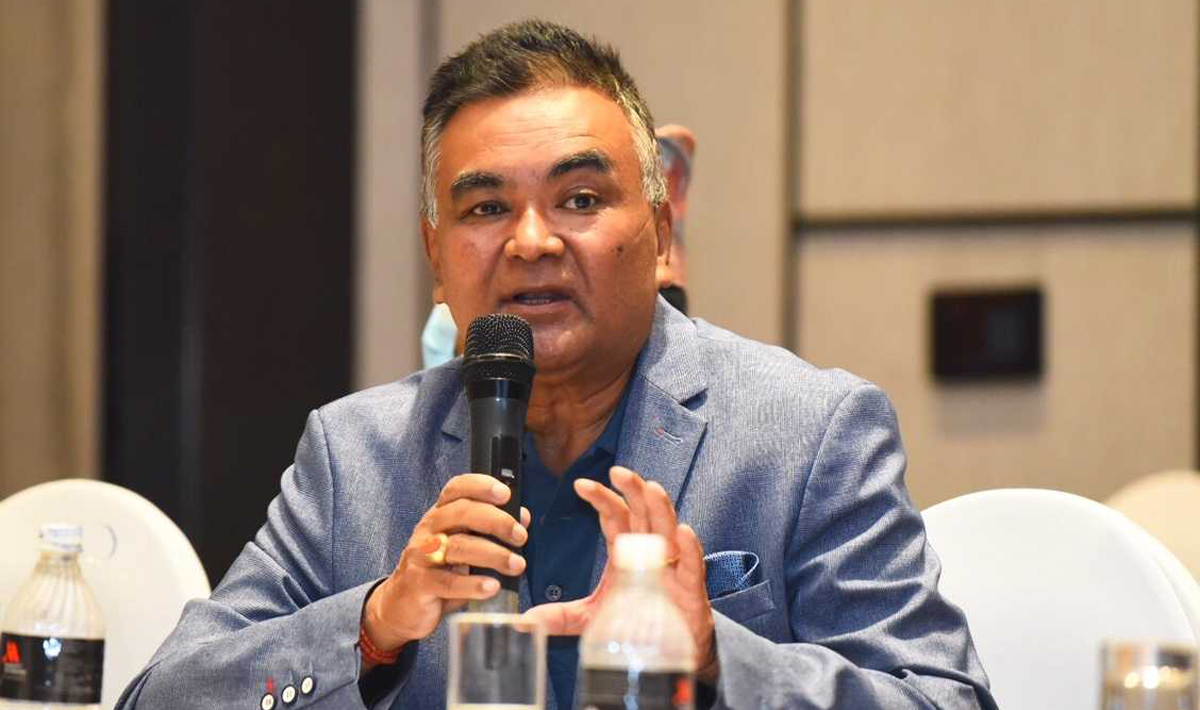
To understand the industry’s concerns, Khabarhub spoke with Binayak Shah, president of the Hotel Association Nepal (HAN).
EXCERPTS:
How badly was the hotel sector hit by the Gen-Z movement?
During the protests, arson and vandalism erupted in 8 to 10 locations across Kathmandu and other urban centers. Nearly two dozen hotels have been directly affected. Our preliminary assessment suggests losses exceeding Rs 25 billion across the sector, with the Hilton Hotel alone suffering damage worth around Rs 8 billion.
Were hoteliers or staff physically harmed during the protests?
No, there were no casualties or injuries among hotel owners or employees. The damage was purely to physical property.
Was there looting alongside the destruction?
The unrest was so chaotic that it was impossible to keep a precise record of what happened. Now, investigations are underway. An insurance commission and independent valuators are assessing the actual losses. In a few days, we will have more reliable figures.
The protests coincided with the start of the tourist season. What effect has this had?
Tourism depends on peace and stability. Any nationwide upheaval naturally affects the industry. But even during the protests, tourists continued with trekking, pilgrimage, and cultural tours. We coordinated with the Nepali Army to ensure safe passage. The situation has normalized quickly—protesters are now even waving to welcome tourists. Historically, Nepal’s movements have not deliberately targeted visitors, and that remains true.
What message has the unrest sent abroad?
The world is watching. With curfews imposed and 74 lives lost, international tourists naturally ask questions. In today’s information age, news spreads instantly. But we are working hard to reassure visitors. The government, the Nepal Tourism Board, and the private sector are running the “#NepalNow” campaign, showing live scenes of safety and activity from Kathmandu, Bhaktapur, Pokhara, and Chitwan.
What about foreign and domestic investment in tourism? Will that be affected?
Investors study long-term prospects. The pandemic didn’t stop investment; several five-star hotels opened during that time. Nepal sits between India and China, so capital here is unlikely to sink. However, confidence depends on how quickly we recover and whether the government implements tourism-friendly policies. We’ve seen countries like Sri Lanka bounce back within a year. Nepal can do the same, if not better.
Has the interim government addressed the losses?
Yes. The government has promised a recovery package for private enterprises hit by the protests. We have presented our recovery plan, and further details should come in a few days. The state must act as a guardian because confidence will return only if policies are clear and responsive.
As an entrepreneur, what broader message do you take from the Gen-Z protests?
The young generation is demanding governance reform, accountability, and an end to corruption. From a tourism perspective, Nepal has immense potential as hotels can serve 3.5 million tourists annually, yet only 1.2 million came last year. Infrastructure like the new airports in Pokhara and Bhairahawa is ready, but underutilized. If managed well, we could double arrivals within a year. The Gen-Z call for change resonates with our sector’s need for results over rhetoric.





Comment