




KATHMANDU: The ruling CPN (Maoist Centre) has sharply criticized the CPN-UML’s decision to bar former President Bidya Devi Bhandari from returning to active politics, calling it a violation of constitutional rights.
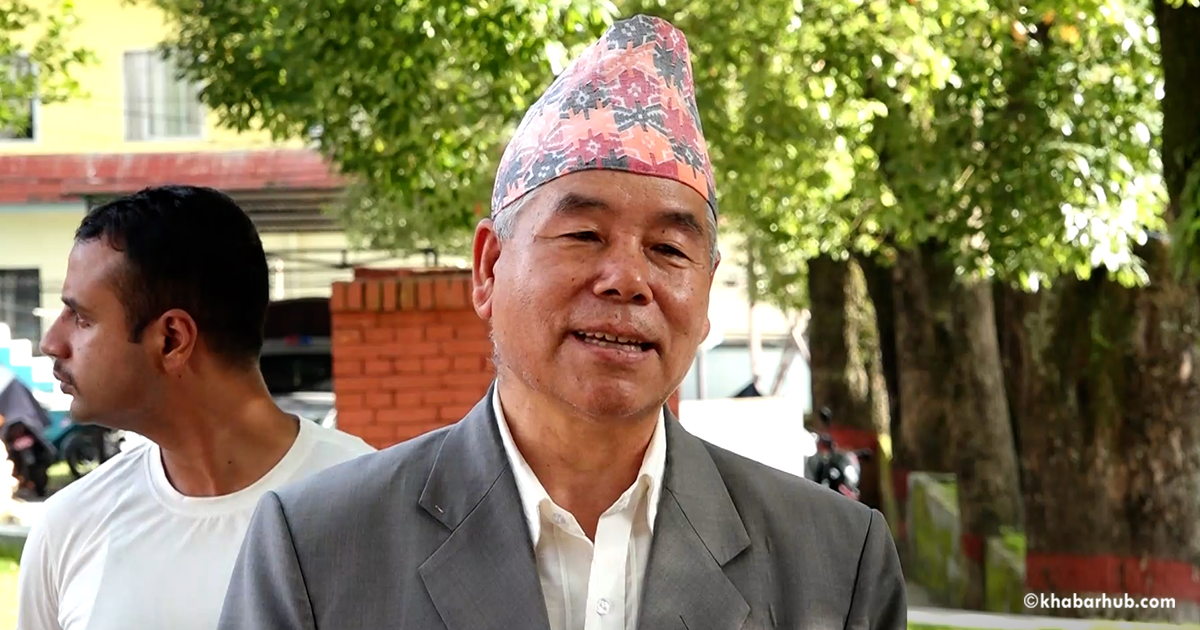
Reacting to the UML’s central committee resolution passed late Tuesday night, Maoist Centre General Secretary Dev Prasad Gurung said the move was “unconstitutional and undemocratic.” The UML decision not only annulled Bhandari’s renewed party membership but also explicitly prohibited her reentry into the party’s political activities.
“This is not consistent with Nepal’s constitution,” Gurung said on Wednesday. “Preventing a former president from political involvement infringes on her fundamental rights as a Nepali citizen, particularly under Article 17, which guarantees political freedom.”
The UML had argued that reengaging in active party politics after serving in the country’s highest constitutional office would raise questions over the dignity and impartiality of that position. However, Gurung countered that the constitution does not strip former presidents of their citizenship rights, nor does it envision a separate legal status for individuals who have held constitutional positions.
“Unless someone is a non-citizen or acts against national sovereignty, their political rights cannot be restricted,” said Gurung, who is also a former law minister. “No one becomes a non-citizen after serving in public office. Our constitution doesn’t recognize a third category of citizen — you are either in office or you are not.”
He said after stepping down from public office, every citizen, including former presidents, is free to pursue political interests within legal and constitutional limits.
Gurung also warned that banning Bhandari from politics without legal justification amounts to a serious breach of fundamental freedoms. “This decision reflects an authoritarian impulse, not a commitment to constitutional values,” he said.
While the UML insists its move aligns with the spirit of the constitution and is intended to uphold the dignity of the presidential office, Gurung dismissed that reasoning as superficial. “The real motives seem to lie deeper,” he remarked, suggesting internal political calculations behind the decision.




Comment