




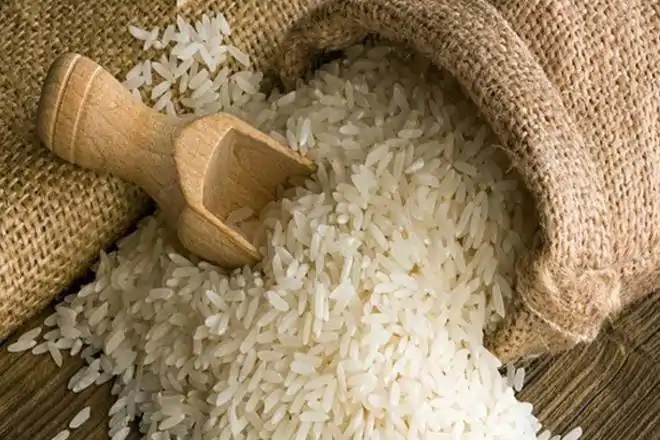
KATHMANDU: While Prime Minister KP Sharma Oli has claimed a historic surge in Nepal’s exports this fiscal year, data from the Department of Customs paints a different picture on the agricultural front.
Nepal imported rice and paddy worth nearly Rs 40 billion in fiscal year 2024/25, highlighting the country’s growing dependence on food imports despite official rhetoric on self-reliance and domestic productivity.
According to customs statistics, Nepal imported rice and paddy worth Rs 39.88 billion in total. This includes Rs 10.83 billion worth of ordinary rice, amounting to over 165 million kilograms. Imports of Basmati rice, a more premium variety, amounted to Rs 7.53 billion for around 68.7 million kilograms. The country also imported a small volume of brown rice worth Rs 737,000.
Paddy imports, however, were even more significant. Nepal brought in over 531 million kilograms of unmilled rice (paddy), valued at Rs 20.36 billion. Additionally, paddy seeds worth Rs 1.17 billion, roughly 25.7 million kilograms, were imported during the same period.
This surge in imports marks a sharp rise from the previous fiscal year 2023/24, when Nepal imported a total of Rs 21.34 billion worth of rice and paddy. In just one year, import volume and value have nearly doubled, raising concerns about the effectiveness of government policies aimed at promoting agricultural productivity.
The data contradicts the narrative recently presented by Prime Minister Oli, who announced that Nepal’s exports had increased by 81.8 percent this year, reaching an all-time high of Rs 277.03 billion.
PM Oli attributed this growth to policies prioritizing domestic production and export promotion. However, the rising reliance on imported staple foods like rice suggests that the agriculture sector, particularly rice production, has not kept pace with the broader economic goals.
Rice remains Nepal’s most consumed staple, and the increase in imports may reflect both growing domestic demand and declining local yields. Experts have long pointed to structural challenges in Nepal’s agriculture sector, such as insufficient irrigation, outdated farming methods, low productivity, and overreliance on seasonal monsoons.





Comment