




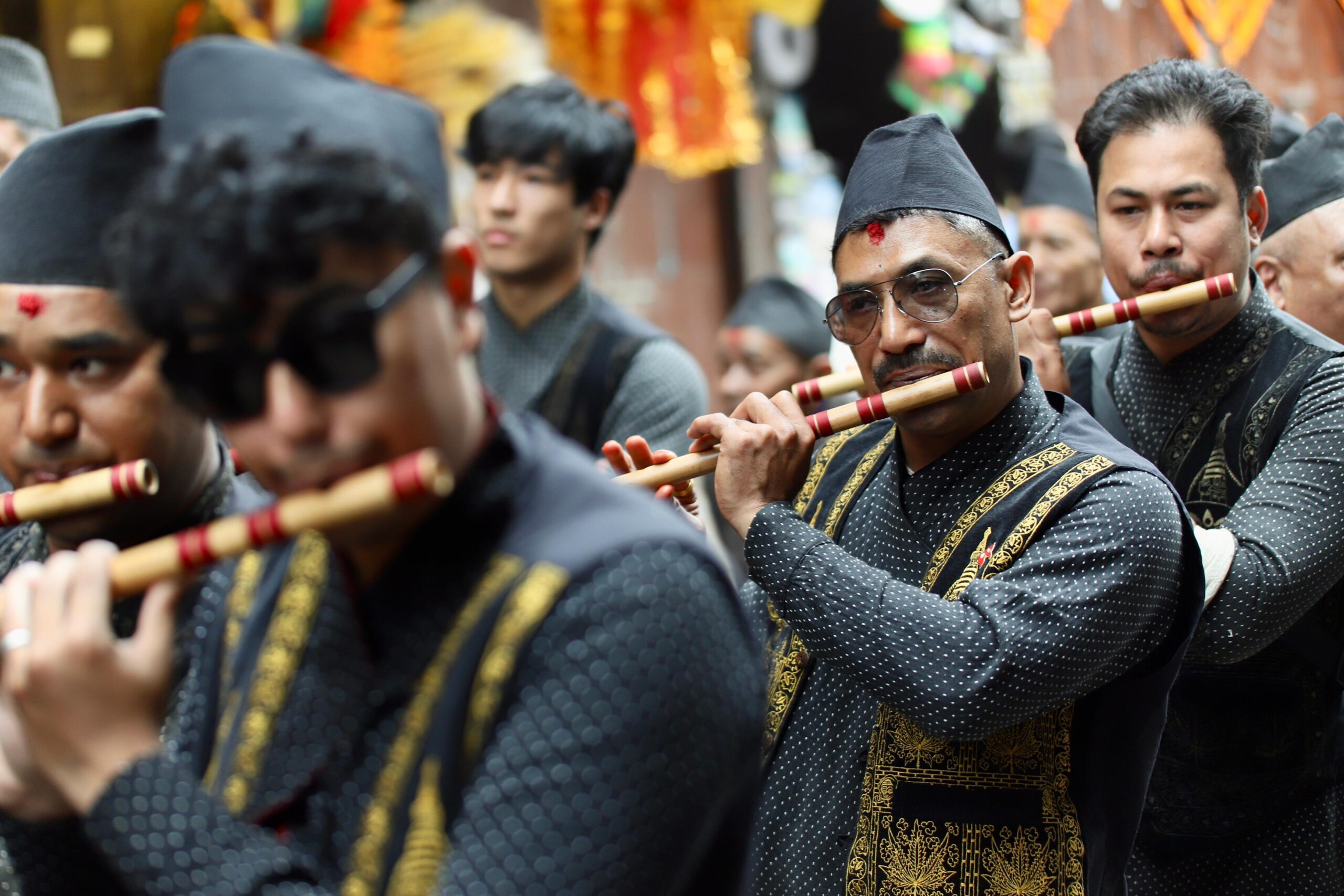
KATHMANDU: Nepal Sambat 1146 begins today, marked by celebrations and various programs across the country.
This traditional calendar is observed as the New Year by the Newar community, particularly in areas such as Kathmandu, Lalitpur, Bhaktapur, Banepa, Dhulikhel, Bahrabise, Dolakha, and Bhimeshwor.
Nepal Sambat was initiated by national figure Shankhadhar Sakhwa in 937 BS (880 AD) after he famously freed the poor from debt. It remained Nepal’s national calendar until the reign of Prithvi Narayan Shah, according to Dr. Triratna Manandhar, former Vice-Chancellor of Lumbini Buddhist University.
“Nepal Sambat, which originated during the reign of King Raghavdev in the Lichchhavi era, was used as the official calendar until the time of Prithvi Narayan Shah,” said Dr. Manandhar.
“Before that, the Shaka Sambat was in use. Because it is named after the country itself, Nepal Sambat is the original and indigenous calendar of Nepal.”
Following the establishment of democracy in 2007 BS, efforts to restore Nepal Sambat’s national recognition gained momentum. On New Year’s Day of 2056 BS, then Prime Minister Krishna Prasad Bhattarai declared Shankhadhar Sakhwa a national figure, recognizing his historic act of debt cancellation as a model of social service and endorsing Nepal Sambat as a native calendar system.
Later, in 2065 BS, Prime Minister Pushpa Kamal Dahal formally announced that Nepal Sambat would be given national recognition.
Traditionally, in Kathmandu, bookkeepers close their annual accounts on Kartik Krishna Aunsi and begin a new fiscal ledger on Kartik Shukla Pratipada, aligning with the start of Nepal Sambat.


Comment