




KATHMANDU: The Navaratri Parba, or nine-night festival of Bada Dashain—Nepal’s most important Hindu celebration—begins today with Ghatasthapana.
Observed on Ashwin Shukla Pratipada, the first day of the bright lunar fortnight in the month of Asoj, Ghatasthapana marks the formal start of Dashain rituals across the country.
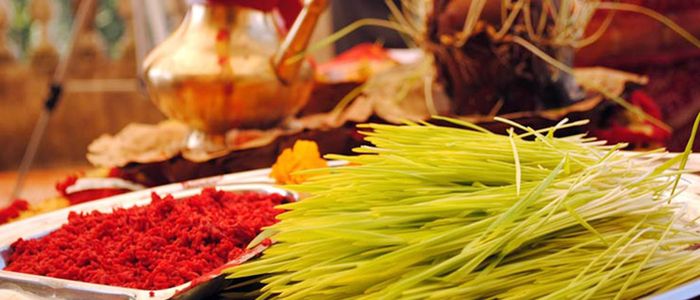
On this day, Hindu devotees perform Vedic rituals by worshipping the Diyo (oil-fed lamp), Kalas (auspicious water jar), and Lord Ganesh. A key ritual involves sowing maize and barley seeds in a mixture of soil and cow dung to cultivate Jamara (barley shoots), which are considered sacred.
Prayers are also offered to Goddess Durga Bhawani, the embodiment of divine feminine energy, as devotees seek her blessings for protection and strength.
At the historic Hanumandhoka Dashain Ghar in Kathmandu, the traditional ritual of Jamara sowing begins today, following centuries-old customs, which often include symbolic animal sacrifices.
Additionally, devotees worship Mahakali, Mahalaxmi, and Mahasaraswati, initiating the Navaratri—a period of spiritual discipline, prayer, and devotion.
The golden Jamara and Tika will be offered by elders to younger family members on the tenth day of Dashain, symbolizing blessings for health, peace, and prosperity. This year, the auspicious hour for receiving Tika is 11:36 a.m. on October 2.
Throughout Navaratri, thousands of devotees will flock to major shrines dedicated to Goddess Durga—such as Naxal Bhagawati, Shobha Bhagawati, Maitidevi, and Guheshwori—especially during the early morning hours.
Many also recite sacred verses and hymns dedicated to the goddess, both at temples and in their homes, throughout the festival period.






Comment