




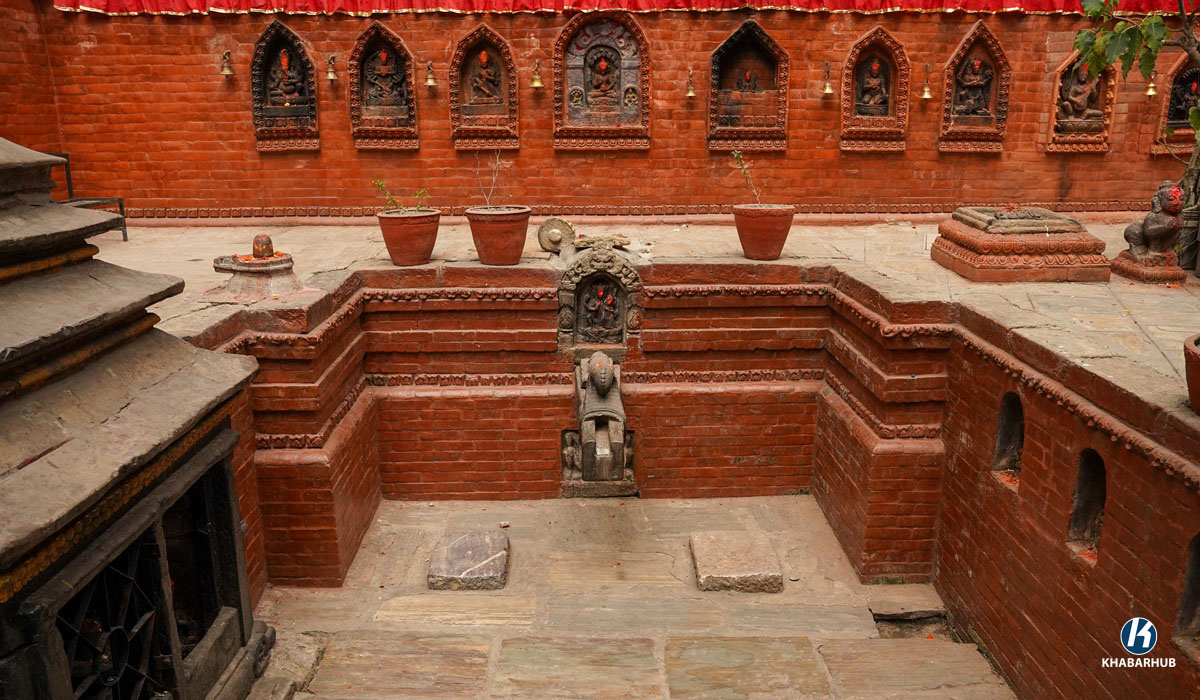
KATHMANDU: As the world observes World Water Day today, Kathmandu Valley grapples with a severe drinking water crisis despite various policies aimed at sustainable water management.
Celebrated annually on March 22 since 1993, the United Nations initiated this day to raise awareness about clean drinking water and encourage efforts toward its accessibility for all.
The United Nations aims to ensure clean drinking water and sanitation facilities for everyone by 2030. Nepal, too, has set policies and strategies under its 15th Five-Year Plan to meet this goal, as part of the Sustainable Development Goals (SDGs).
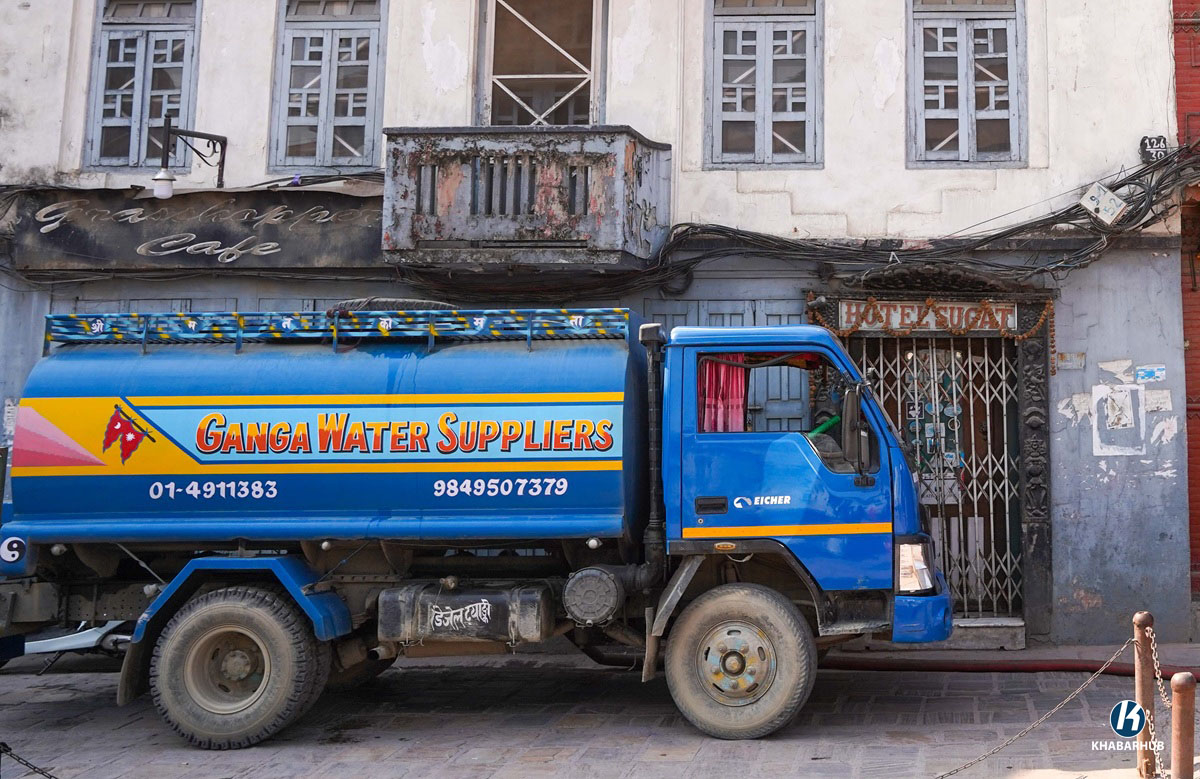
However, traditional water sources like stone spouts (hitis) and other natural streams in the Kathmandu Valley continue to dry up and deteriorate, forcing residents to rely heavily on water tankers, jars, and bottled water.
According to Kathmandu Upatyaka Khanepani Limited (KUKL), the Valley requires 470 million liters of water daily, but only 160 million liters are supplied.
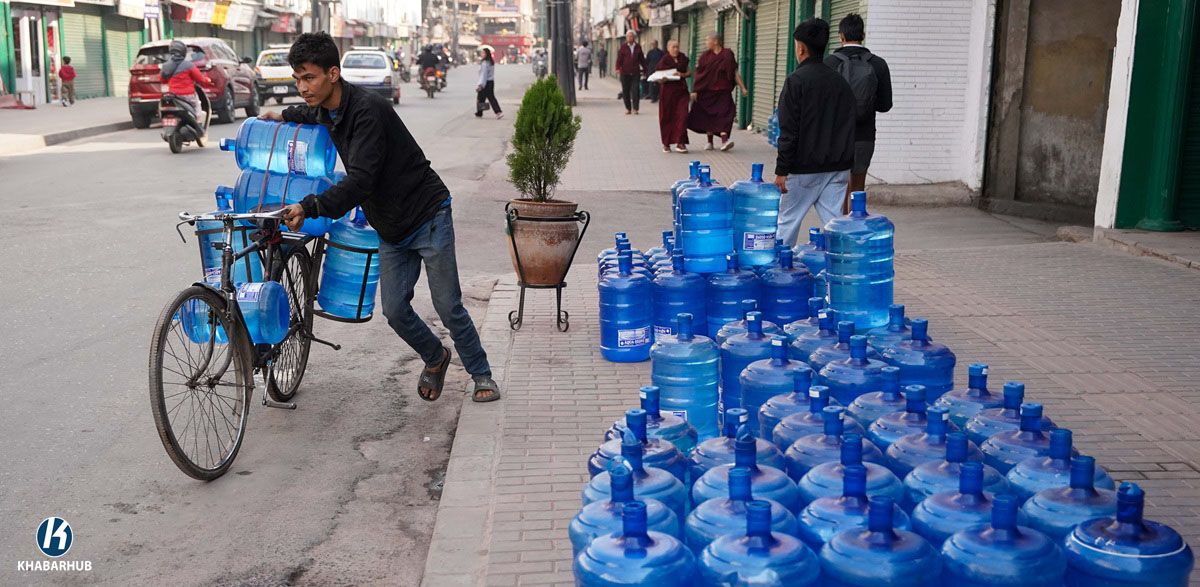
The deficit is covered by water tankers, jars, bottles, wells, and borings. Jars are the most popular source, with the Nepal Bottled Water Industries Association estimating that 150,000 to 200,000 jars are sold daily.
Despite its widespread use, bottled water poses significant health risks. A study revealed that an average of 240,000 plastic particles per liter are found in bottled water, raising serious health concerns.
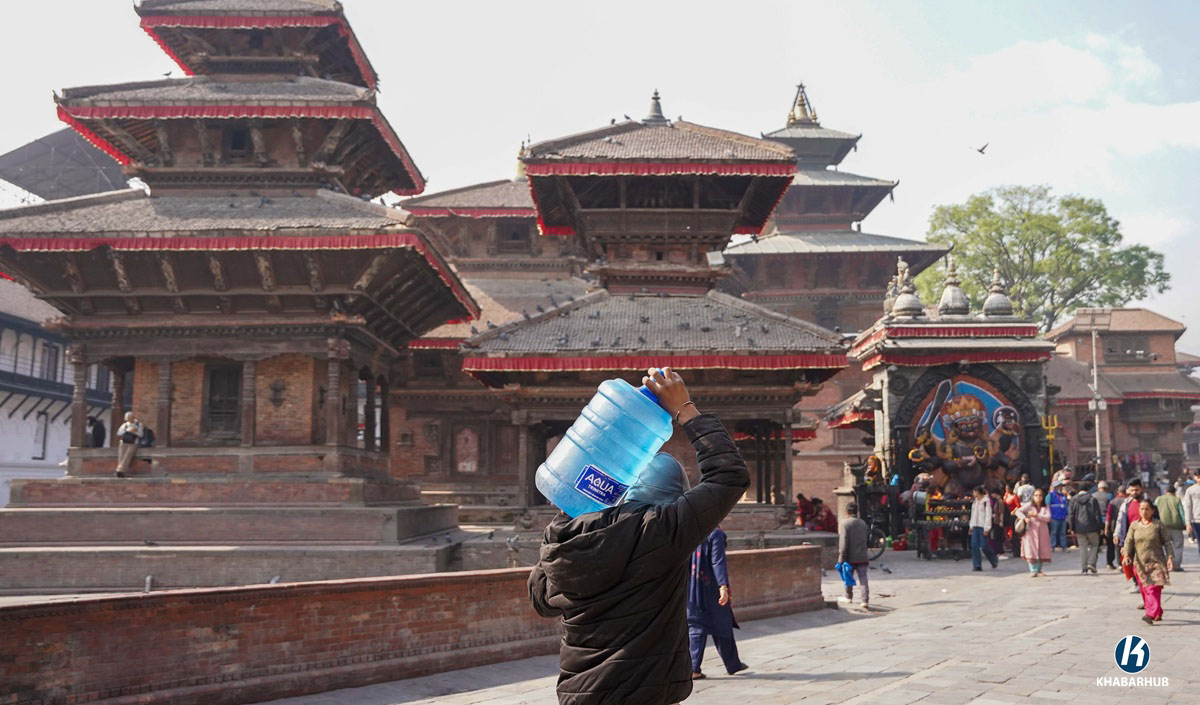
Alarmingly, the Department of Food Technology and Quality Control has not monitored bottled water quality for over six months, resulting in the continuous sale of expired jars and bottles.
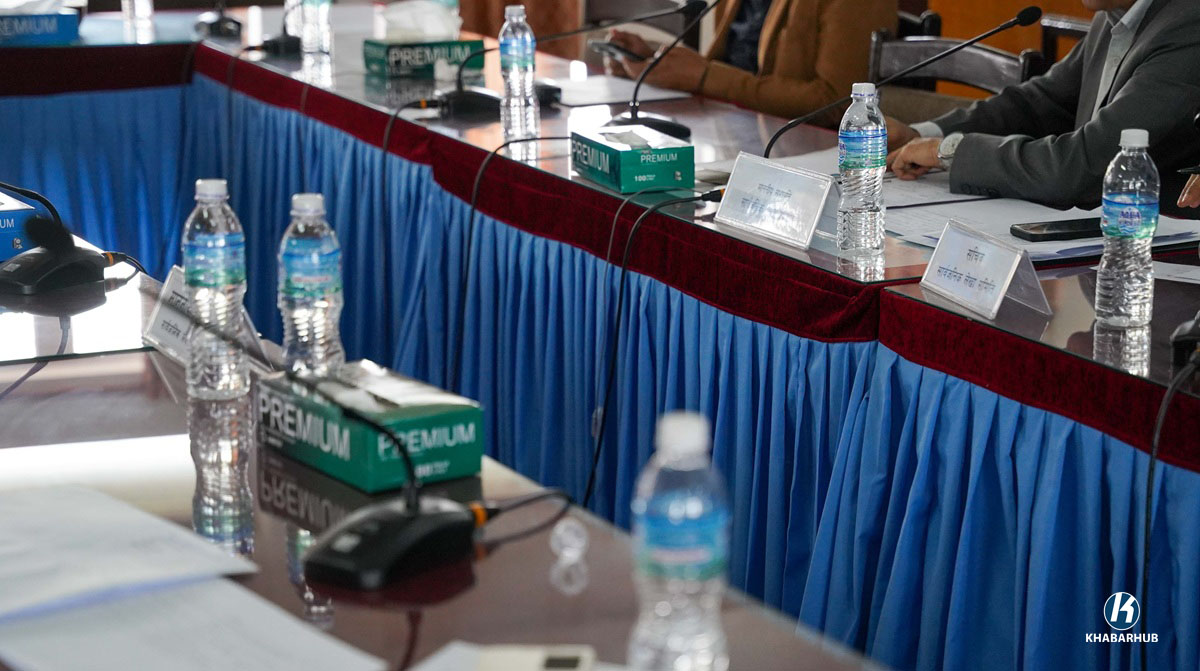
Ironically, plastic water jars are prominently seen in government offices, including Singha Durbar, while traditional stone water sources continue to vanish.
A study by the Alan Foundation, commissioned by the Social Development Branch of Kathmandu Metropolitan City, identified 154 stone spouts in the city. Out of these, 61 are still functional, 50 are non-functional, 10 are at risk of vanishing, 21 are lost, and 12 remain untraced.
As World Water Day is marked worldwide, the challenges Kathmandu faces in managing its water resources reflect the urgent need for sustainable solutions and rigorous monitoring to ensure safe drinking water for all.






Comment