




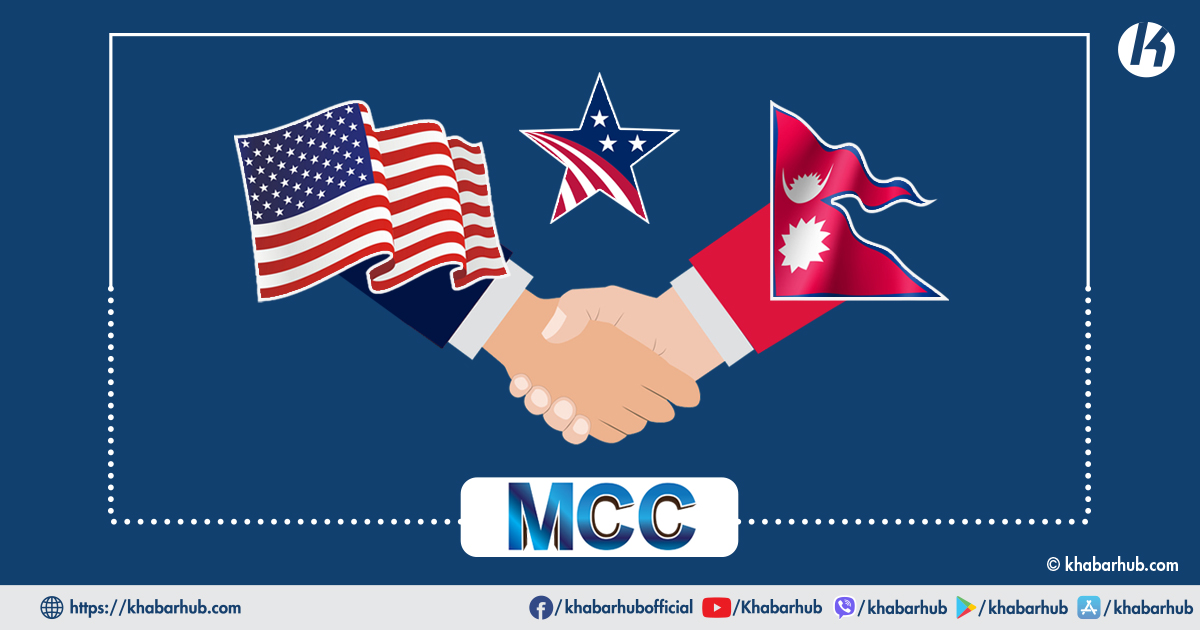
KATHMANDU: A recent statement by the U.S. Embassy in Nepal regarding the Millennium Challenge Corporation (MCC) Compact has triggered a wave of speculation and optimism, but key officials remain unsure about the future of the grant program amid funding cuts and policy shifts under the Trump administration.
On June 18, the embassy issued a three-paragraph statement titled “MCC Nepal Statement,” sharing the link with select Nepali journalists.
The statement said the MCC Compact with Nepal had been granted a special exemption from a 90-day U.S. foreign aid freeze announced in February 2025, allowing ongoing implementation to continue during the review period.
No guarantees yet
While many interpreted the statement as a signal that the MCC would continue in Nepal, government insiders and diplomatic sources say no final decision has been made. The statement did not confirm long-term continuity, nor did it announce new commitments.
“The latest statement merely reflects ongoing permission for specific activities already approved during the freeze. There is no clear indication that MCC support to Nepal will continue in full,” a senior official at Nepal’s Finance Ministry told Khabarhub on condition of anonymity.
The uncertainty stems largely from the Trump administration’s fiscal tightening. President Donald Trump, in his second term, created the Department of Government Efficiency (DoGE) to cut federal spending and, in January 2025, signed an executive order halting MCC disbursements for 90 days.
Internal U.S. budget proposals for fiscal year 2026 show a drastic cut in MCC funding—from $930 million to $224 million—with only $71.5 million allocated for obligations and $20 million for the Compact Development Fund. No funds have been earmarked for new compacts, including Nepal’s.
A separate MCC report also reveals that $1.2 billion in prior-year obligated balances are being canceled in a move to demonstrate fiscal discipline.
Diplomatic lobbying from Nepal
Since the funding freeze, Nepali authorities have stepped up diplomatic engagement. Foreign Minister Dr. Arzu Rana Deuba raised the issue during her visit to India with U.S. National Security Council Senior Director Ricky Gill, who expressed hope for continuation.
Prime Minister KP Sharma Oli also brought up the MCC during a recent meeting with U.S. Ambassador Dean R. Thompson, who reportedly gave a more encouraging response than in previous interactions.
Additionally, Nepal’s ambassador to the U.S., Lok Darshan Regmi, discussed the matter with U.S. Assistant Secretary of Homeland Security Sohan Das Gupta in late May.
Govt budget signals a shift
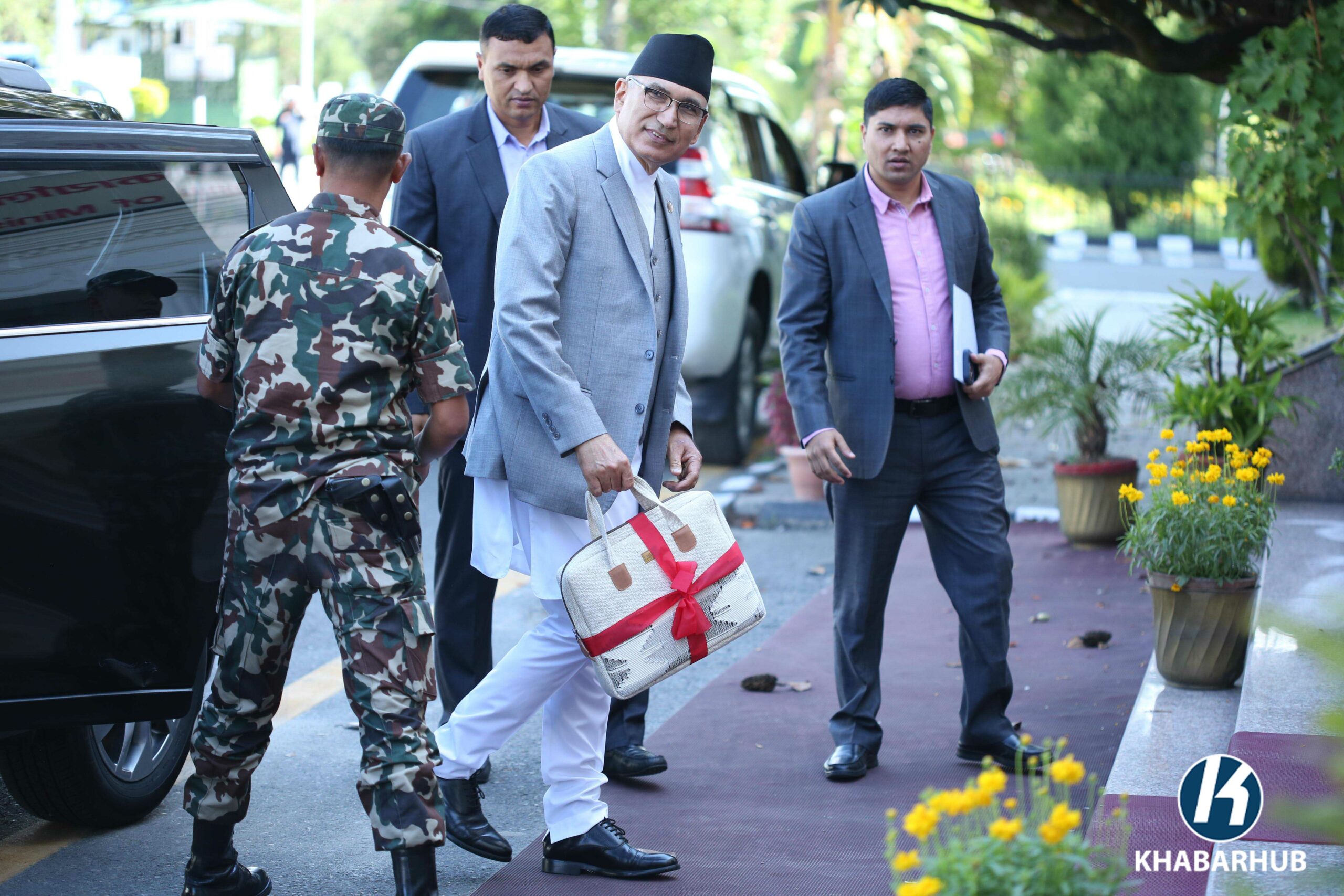
The government, anticipating funding disruptions, has begun preparing alternatives. The national budget for the upcoming fiscal year, presented by Finance Minister Bishnu Prasad Paudel, does not explicitly mention MCC projects. However, provisions in clauses 218 and 229 indicate plans to continue infrastructure development, including transmission lines, even without MCC support.
Clause 229 outlines a budget of Rs. 13.18 billion for expanding 400kV and 220kV cross-border and domestic transmission lines. Clause 218 emphasizes encouraging private sector investment in hydropower generation, transmission, and distribution.
“This sends a signal that Nepal is ready to look for alternatives if MCC support does not materialize,” said a Finance Ministry official.
Current MCC commitments
Nepal and the U.S. had signed the MCC Compact in 2022 with a total budget of $747 million — $500 million from the U.S. and $197 million from Nepal (an initial $130 million, later increased under U.S. pressure).
Under the compact, MCC Nepal (MCA-Nepal) is tasked with constructing a 315 km of 400kV transmission lines, spanning Lapsiphedi, Ratmate, New Hetauda, New Damauli, and New Butwal, substations in five strategic locations and a 130 km of road upgrades, beginning with 77 km from Bhalubang to Shivkhola.
The project entered its implementation phase in September 2023, and only 3 years and 4 months remain out of the original five-year timeline. However, implementation progress on the ground remains limited.
MCA-Nepal, operating from an office in Hotel Yak & Yeti, has floated tenders for procurement and construction, but faces delays and budget uncertainty.
More questions than answers
While the U.S. Embassy’s statement provides some reassurance about continued activities under the MCC, it falls short of offering a long-term guarantee. With the U.S. budget for 2026 yet to be finalized, and internal reallocations pointing toward major cuts, the fate of MCC in Nepal remains in limbo.
Nepali officials continue to lobby diplomatically while preparing contingency plans — including private sector involvement — to ensure that crucial infrastructure projects don’t stall.
Until a definitive announcement is made by the MCC headquarters or the U.S. Congress, observers caution that optimistic interpretations of the embassy’s statement should be treated with strategic skepticism.




Comment