




KATHMANDU: The Economic Act stipulates that new vehicles bought from a manufacturer must be imported into Nepal by an authorised dealer.
According to Schedule 4 of the Act, only an authorised dealer can bring in a new vehicle or conveyance for clearance when it has been purchased from the manufacturer.
However, contrary to that provision, certain business operators have for several years been illegally importing vehicles not only from the manufacturer’s authorised channel but also through unauthorized entities.
For example, in cases where a manufacturer has already appointed an official dealer for Nepal, another business person arranges an agreement with the vendor company and still imports vehicles.
Some years ago, this trend was seen mainly in luxury vehicles, but now it has spread even to Chinese-brand vehicles. This has raised concerns over after-sales service and availability of spare parts.
Once vehicles are sold outside the authorised channel, the true importer under the manufacturer’s contract is at a disadvantage. “In such cases, the importer authorised by the manufacturer suffers negative consequences,” said one business person.
The Department of Commerce, Supplies and Consumer Protection issues agency certificates to vehicle importers. Business persons say that the department should issue certificates only after verifying whether the importer is buying from the manufacturer or not.
“When new models are introduced, a 5 % deposit and 5 % revenue deposit are required. Because this increases cost, reform is needed,” complained one importer.
Due to the neglect of the minister responsible for the economy, illegal vehicle imports have flourished, say business persons who believe the formation of a government outside of party structures provides hope that the malpractice will be stopped now.
According to an official from the Nepal Automobile Dealers’ Association (NADA), if vehicles continue to be imported from outside the manufacturer’s authorised channel, the automobile business will suffer a serious blow; they believe the new Finance Minister will address this distortion.
“Because past finance ministers lacked deep knowledge and were negligent, the anomaly in vehicle imports has grown in recent years. We believe the capable finance minister will curb it. A clean, transparent auto market can be created by stopping the illegal imports,” the official said.
Importers say that if the parent manufacturer is bypassed and vehicles are brought through subsidiaries or other processes, the market will collapse. “The government needs to take action against this illicit trade now,” the NADA official asserted. “The law must be implemented to hold businesses accountable to consumers.”
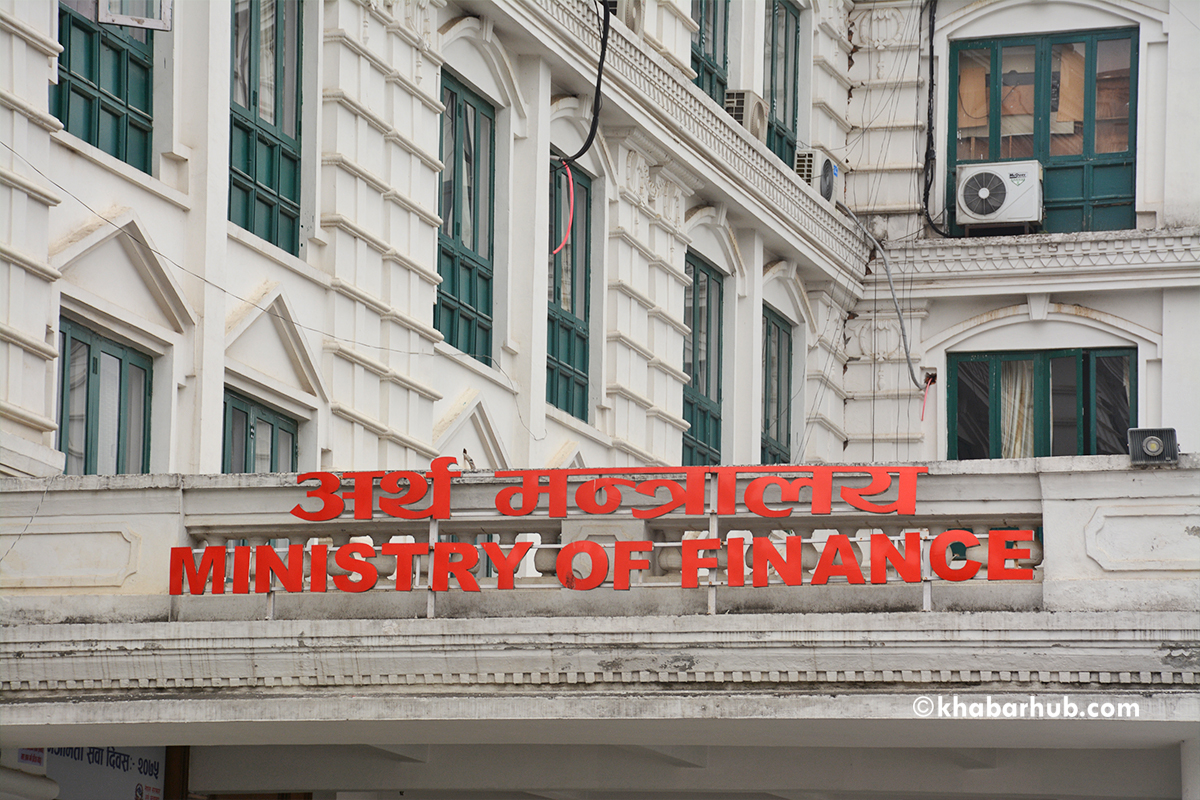
It’s not just that the Ministry of Finance failed to curb the illegal imports; some government bodies have even facilitated the practice. Leaders within the trade-regulation department have allowed multiple dealers to import the same brand by favouring their own financial benefits, thereby encouraging the distortion. When these benefits were extended, some firms went to court against the department.
The Department admits to having given such services under the agency registration rule. Director Bharat Prasad Acharya says that some firms or companies simply had to submit proof that they are official dealers with a domestic or foreign company in order to get the certificate.
In other countries, the agency registration rule is stricter: before approval, the agency must guarantee service and spare‐parts availability for at least ten years.
But the same conditions have not yet been put in place in Nepal. While the Transport Management Department is another body that could enforce illegal imports, it has not yet taken action to implement the required measures.
Director Shree Kanta Yadav of the Transport Management Department has said that they are preparing standards for vehicle dealers which will cover showrooms, spare-parts, service centres and technical staff. He stated that only firms which secure a contract with the manufacturer will be allowed to import vehicles.




Comment