




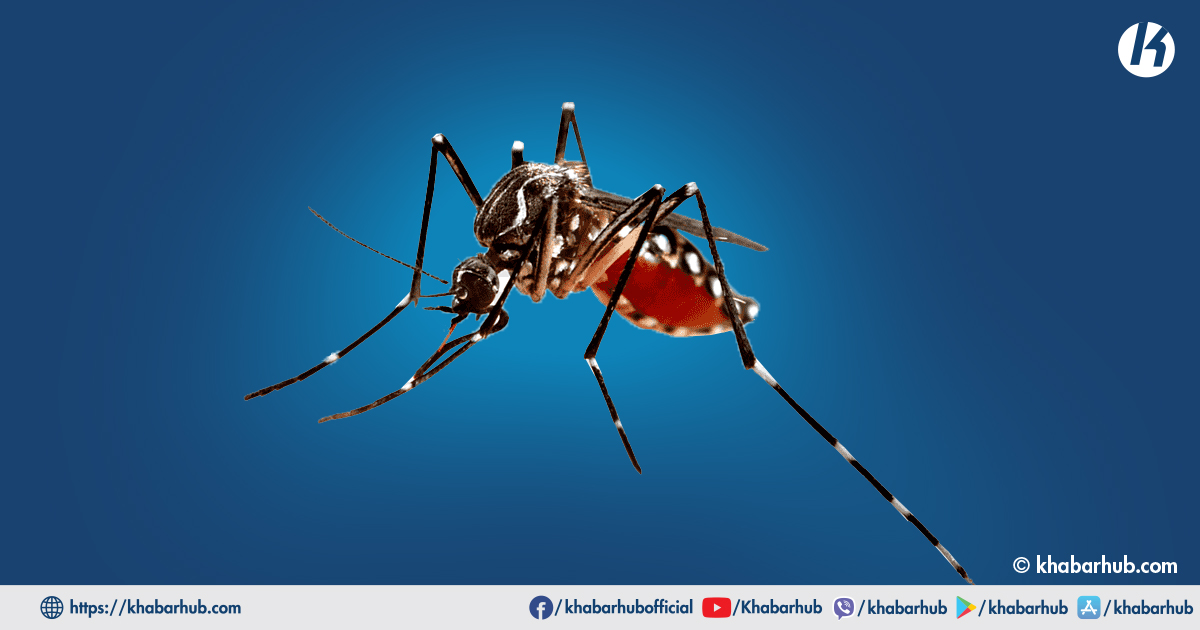
KHOTANG: A campaign to destroy mosquito larvae has been launched in Khotang following a rise in dengue infections.
The initiative was started after 12 cases of dengue were confirmed among patients admitted to the District Hospital over the past month.
On the first day of the campaign, Monday, mosquito larvae were searched for and destroyed in garages across various chowks of Diktel Bazaar. The campaign began at Hospital Chowk, moved through Alchedhunga, and continued around Kirat Chowk before concluding at Hatdanda.
The campaign was carried out with the participation of San Bahadur Rai, Chief of the District Coordination Committee; Tirtharaj Bhattarai, Mayor of Diktel Rupakot Majhuwagadhi Municipality; Chief District Officer Kalpana Shrestha; representatives from the Nepal Army, Armed Police Force, Nepal Police, Chamber of Commerce and Industry, hotel entrepreneurs, and heads and representatives of various government and non-government organizations.
During the campaign, local residents and business owners were also made aware of dengue transmission, symptoms, and preventive measures, according to Jiwan Chaulagain, Chief of the Khotang Health Office.
With dengue cases on the rise across the district’s ten local units, the health office had organized an orientation and interaction program on Sunday involving local government representatives and stakeholders.
It was decided to extend the anti-larvae campaign across all municipalities and rural municipalities of the district. A circular has already been issued to implement the campaign at all local levels.
Health workers noted that dengue symptoms include eye pain (especially behind the eyes), nausea, joint and muscle pain, swollen glands, skin redness, and rash.
Since there is no specific antiviral treatment for dengue, they recommend drinking plenty of fluids, getting sufficient rest, and using medications such as paracetamol (not citalopram, which is an antidepressant) to manage fever.
Additionally, 14 cases of scrub typhus have been detected in the district, which comprises two municipalities and eight rural municipalities. Two patients suffering from both dengue and scrub typhus have been referred to Kathmandu due to a lack of treatment facilities in the district, said Chaulagain.
Scrub typhus presents with symptoms similar to viral fever—headache, body pain, and high fever. It is transmitted through bites from infected mites, and delayed treatment can be life-threatening.
Dr. Rupesh Sangraula, head of the District Hospital, stated that between 150 to 200 patients are visiting the hospital daily with various health complaints. However, the hospital lacks the necessary equipment and beds to meet the increasing demand.





Comment