




KATHMANDU: Following the recent Gen-Z protests, the Nepali Congress and CPN-UML-led government has been displaced, paving the way for an interim administration under former Chief Justice Sushila Karki. President Ram Chandra Paudel officially appointed Karki as interim prime minister, with a mandate to conduct elections scheduled for March 5.
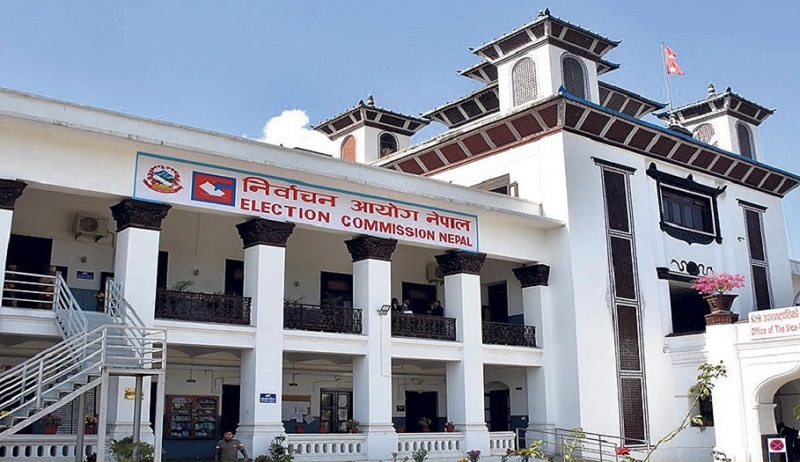
The interim government now has just over five months to organize the parliamentary elections. During this period, the Election Commission must ensure the mobilization of necessary resources and infrastructure to conduct a smooth and credible poll.
The Gen-Z protests on September 8 and 9 caused extensive damage to thousands of government structures across the country, leaving some completely destroyed. With significant disruptions to administrative continuity, the government faces the challenge of functioning effectively while also preparing for elections.
The previous KP Sharma Oli-led government did not anticipate elections in the current fiscal year when it passed the budget, leaving no dedicated allocation for reconstruction and election-related expenses.
Newly appointed Finance Minister Rameshwor Khanal has stated that the government plans to reallocate funds from underperforming and politically pressured projects to mobilize nearly Rs 100 billion for elections and essential reconstruction.
“Projects that have been delayed or face implementation challenges will be curtailed to free up resources for the election,” Khanal said.
Election Costs
Historical data from the Election Commission shows that Nepal spent Rs 7.80 billion for the first House of Representatives and provincial assembly elections after the Constituent Assembly polls in 2017, with technical and managerial support from external sources.
In the 2022 elections for the House and provincial assemblies, the expenditure amounted to Rs 6.55 billion. For the upcoming elections, only the House of Representatives will be contested, excluding provincial assemblies, which is expected to slightly reduce costs compared to previous polls.
Election Commission spokesperson Suman Ghimire explained that while holding only the House elections may lower costs marginally, expenses related to voter education, staffing, and polling station management will remain largely the same.
“Reducing provincial assembly elections will cut some costs, but the overall difference won’t be substantial,” he said.
With a tight timeline and limited resources, the interim government faces a dual challenge: ensuring timely elections while addressing urgent reconstruction needs caused by the Gen-Z protests.






Comment