




KATHMANDU: The government has terminated 22 irrigation-related contracts that had remained stalled for years despite formal agreements, leaving projects incomplete and in a deteriorated state. The total value of the terminated contracts stands at Rs 14.23 billion.
According to the Department of Water Resources and Irrigation, the terminated contracts include six under the Babai Irrigation Project, 15 under the Irrigation and Water Resources Management Project in Janakpurdham, Dhanusha, and one under the Sunkoshi–Marin Diversion Project. In addition, a contract worth Rs 17.6 million under the Bheri Babai project has also been terminated.
Similarly, contracts worth Rs 131.7 million under the Janakpurdham office have been cancelled due to prolonged non-performance by contractors.
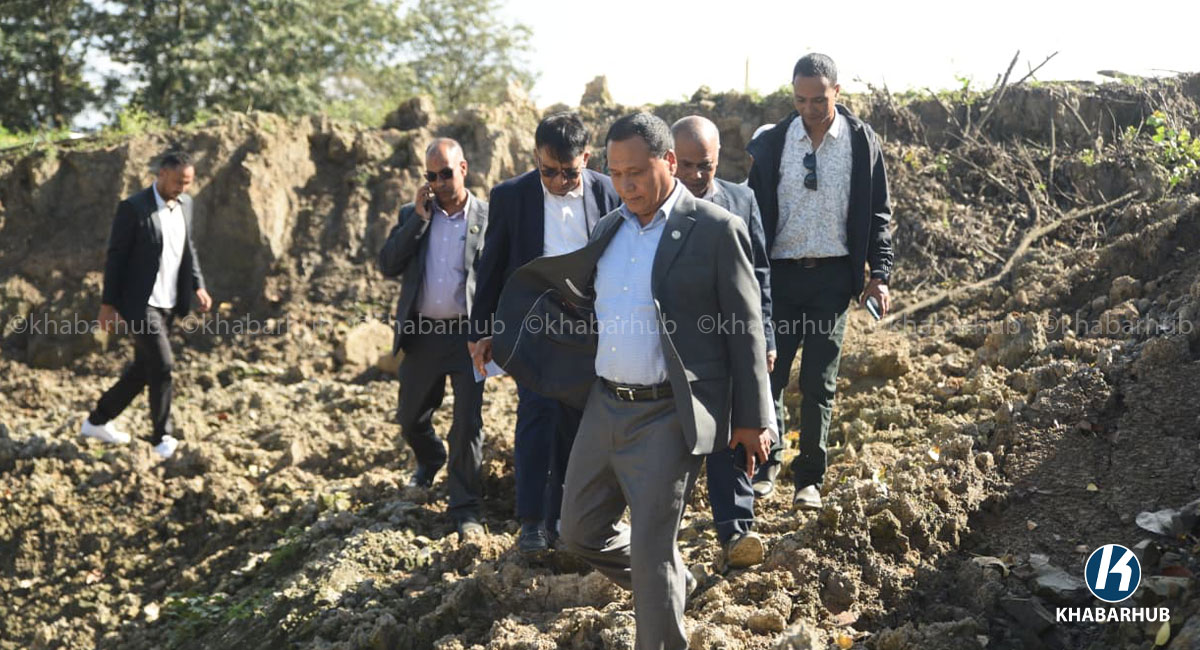
The decision follows a directive issued by Minister for Energy, Water Resources and Irrigation; Physical Infrastructure and Transport; and Urban Development, Kulman Ghising, who instructed subordinate agencies to take strict action against contractors who sign agreements but fail to execute works, leaving projects abandoned for years.
Following the minister’s directive, concerned offices initiated procedures to terminate long-troubled contracts. Department Director General Mitra Baral said that out of 215 ongoing irrigation contracts under the department, 33 had been identified as problematic. “So far, 22 of these problematic contracts have been terminated,” Baral said.
Among the terminated projects is the largest irrigation-related contract in the country, the national pride Sunkoshi–Marin Diversion Multipurpose Project. The contract related to the construction of civil structures including the powerhouse, gates, and the supply and installation of hydromechanical equipment has been cancelled.
The contract was awarded to Patel–Raman JV, Janakpur-9, Dhanusha, at a total cost of Rs 14.08 billion including taxes. The contractor’s failure to make satisfactory progress led to the termination of the agreement, officials said.
Authorities say the move is aimed at ending the long-standing trend of contractors securing large projects but failing to carry out work on time, resulting in cost overruns and delayed benefits to farmers and communities dependent on irrigation infrastructure.
The ministry has indicated that legal and financial procedures related to blacklisting non-performing contractors and reclaiming damages will be pursued in accordance with prevailing laws. Officials also said fresh procurement processes will be initiated to ensure timely completion of the stalled projects.
The termination of the contracts is expected to send a strong signal across the construction sector as the government seeks to accelerate delayed infrastructure projects and improve accountability in public procurement.




Comment