




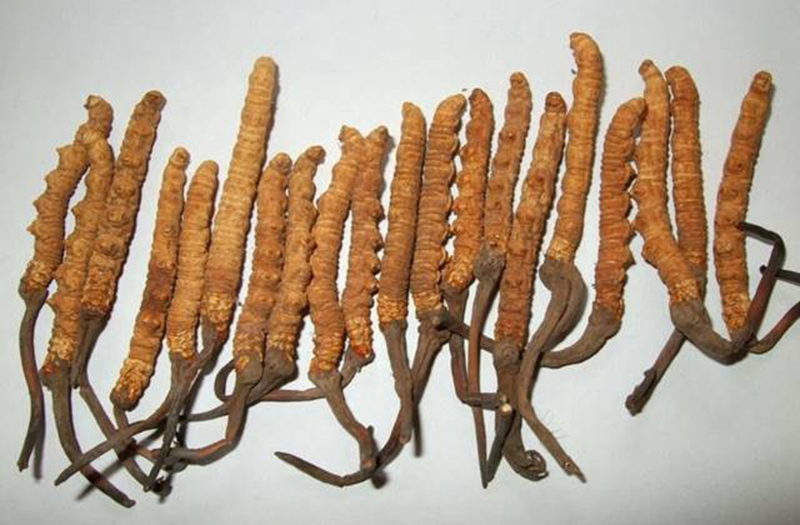
MYAGDI: The collection of Yarsagumba has begun in the Himalayan region of Myagdi.
Residents of Dhawalagiri Rural Municipality-1 (Gurja), Ward No. 4 (Mudi), and Raghuganga Rural Municipality-7 (Chimkhola) have reached Buki Patan, located at the base of the Himalayas, to search for the valuable herb. Yarsagumba is typically found at the foothills of Gurja, Churen, and Dhaulagiri Himalayas.
According to Jhak Bahadur Chhantyal, Ward Chairperson of Dhawalagiri Rural Municipality-1 Gurja, most households in Gurja have already left for the Himalayan region to participate in the collection.
The area was opened for Yarsagumba collection on the 26th of Baisakh. Chhantyal said that at least one person from each of the 250 households in Gurja has headed to the highlands for this purpose.
Thak Bahadur Paija, Ward Chairperson of Raghuganga Rural Municipality-7 Chimkhola, said that locals left for Kalibarah Buki, located at the base of the Dhaulagiri Himal, after completing development projects, harvesting winter crops, and planting spring crops through consumer committees.
Around 50 locals from Chimkhola have gone to Buki equipped with food and clothes sufficient to last from the last week of Baisakh (mid-May) to the first week of June.
When weather conditions are favorable, collectors can gather up to 100 pieces of Yarsagumba per day, potentially earning over Rs 200,000 per person.
Collectors live in temporary shelters and tents set up at Buki. According to Gaman Garbuja, who is currently collecting Yarsagumba in Chimkhola’s Buki area, the collected fungus is sold locally at prices ranging from Rs 200 to Rs 250 per piece.
Yarsagumba collection has become a major source of seasonal employment and income generation for people living in the Himalayan region.
The collection typically begins with religious rituals to worship local deities. Once the harvest is complete, traders visit the villages to purchase the collected Yarsagumba.
A few years ago, more than 20 kilograms of Yarsagumba were exported annually from Myagdi.
However, this volume has declined in recent years. According to Binay Bahadur Adhikari Khatri, Information Officer at the Division Forest Office, no one has obtained official permission to collect Yarsagumba in the current fiscal year so far.
To legally sell and export Yarsagumba, collectors must pay the required revenue and obtain both a collection certificate.
Traders generally purchase Yarsagumba from the public at Rs 500,000 to Rs 600,000 per kilogram. However, experts say the current market price can reach up to Rs 800,000 to Rs 1 million per kilogram.






Comment