




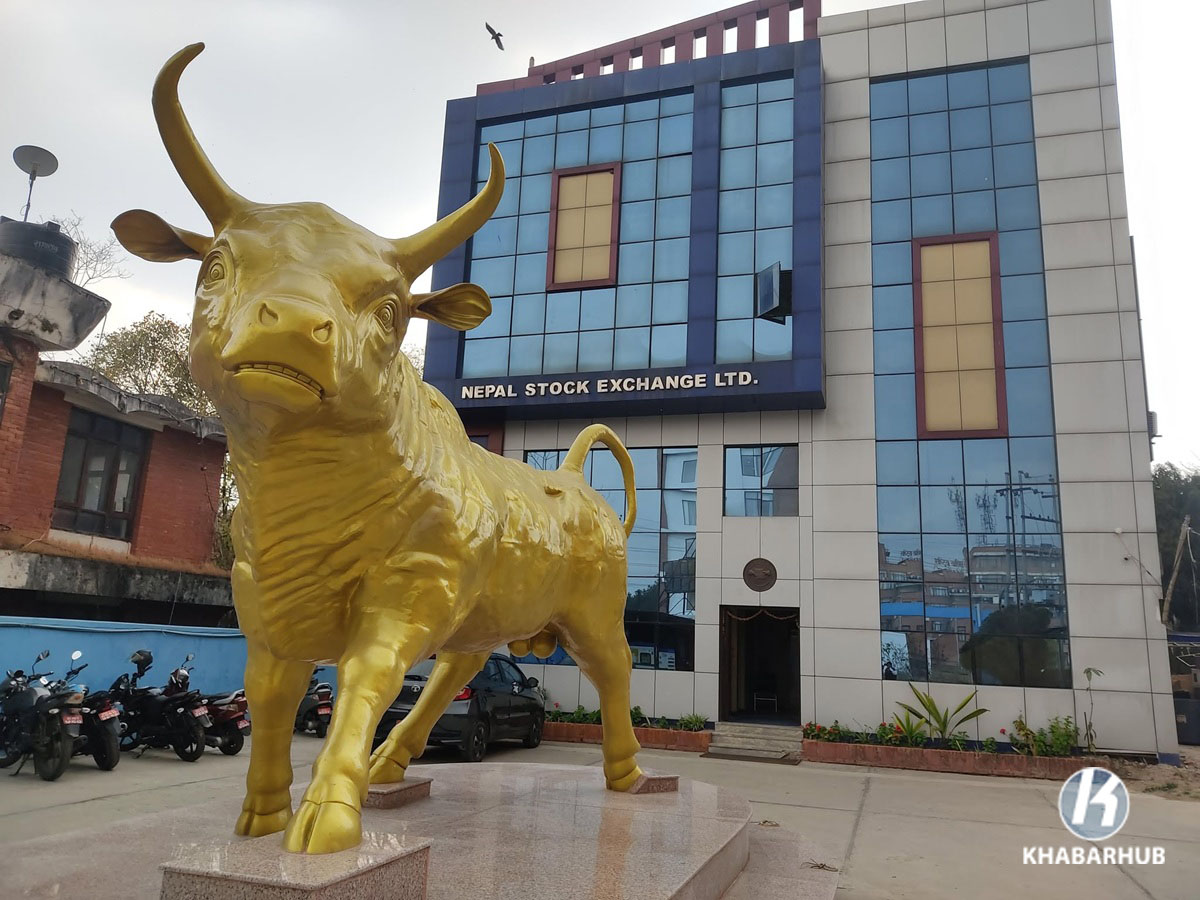
KATHMANDU: The Securities and Exchange Board of Nepal (SEBON) has made public the Securities Issuance and Trading Regulations for Small and Medium Enterprises (SMEs), 2025, setting the groundwork for small and medium-sized companies to raise capital through the issuance and trading of securities.
However, the implementation of these regulations has hit a roadblock, as the Nepal Stock Exchange (NEPSE) board has failed to endorse the required bylaws.
In line with the directives from SEBON, NEPSE formed a five-member working committee to draft the regulations necessary for the launch of an SME trading platform.
The committee, coordinated by Roshan Sigdel, a then-board member of NEPSE, included directors Bimal Dangol and Dirgha Bahadur Rawal, along with department heads Nirajan Phuyal and Niradhar Subedi. The committee finalized a 37-page draft, titled Securities Listing and Transaction Regulations of Small and Medium Enterprises, 2081, and submitted it to the NEPSE Board of Directors on March 16.
Despite completing the draft and submitting it for board approval, the bylaws have not yet been passed. The first board discussion on the document took place on April 1, where NEPSE Chairman Shobha Kant Paudel insisted that more study was required.
A second attempt to pass the bylaws during the board meeting on May 2 also failed, as Chairman Paudel again withheld his approval, despite other board members being in favor of endorsing the regulations.
NEPSE spokesperson Murahari Parajuli confirmed that the regulations had not been approved and stated that they would likely be passed in the next meeting and forwarded to SEBON. However, sources inside NEPSE suggest that Chairman Paudel’s reluctance stems from concerns about potential controversy.
They say he is wary of being entangled in disputes just as he is on the verge of a promotion to Secretary, a recommendation recently made by the Public Service Commission. Paudel, who formerly served as the Director General of the Customs Department and currently works in the Ministry of Finance’s Economic Policy Analysis Division, has been recommended for promotion by the Commission Promotion Committee meeting held on May 8.
Insiders claim that Paudel’s impending promotion has led him to avoid taking decisions that could invite criticism or political pushback. It is expected that after his promotion, the Ministry of Finance will appoint a new chairman, likely a joint secretary, who will then move forward with passing the bylaws.
The bylaws drafted by NEPSE outline various operational rules for the SME platform. These include allowing companies with paid-up capital of up to Rs 250 million to list and trade on the SME platform. Investors would be required to apply for a minimum of 500 units during an IPO, necessitating a minimum investment of Rs 50,000.
The bylaws also propose that secondary market transactions must involve a minimum of 500 units, and smaller trades will not be allowed, even under the ‘odd lot’ provision.
The trading mechanism will be operated through a separate platform developed for SMEs, complete with a dedicated TMS (Trading Management System) and website. NEPSE sources revealed that this system is already in place and will allow investors to view and trade SME shares separately from the main market.
The draft regulations specify that trading hours for SMEs will begin with a pre-open session from 10:30 AM to 11:00 AM, followed by regular market hours from 11:00 AM to 3:00 PM. The closing price for the day will be determined by averaging the purchase and sale transactions made during the last 15 minutes of trading.
Regarding price volatility controls, the regulations propose that a five percent price movement during the pre-open session will trigger a circuit breaker. During regular market hours, a ten percent rise or fall will trigger another circuit breaker.
Furthermore, price orders can be placed with a maximum increase or decrease of two percent. Unlike the main market where shares can be traded in increments as small as one paisa, SME shares can only be traded with a minimum tick size of one rupee.
If the overall SME market rises or falls by four percent within the first hour of trading, it will be halted for 15 minutes. If the change reaches six percent within two hours, trading will be halted for 40 minutes. An eight percent change at any point during the trading day will result in a complete market shutdown for the day.
The regulations also include provisions for mandatory quarterly financial disclosures by listed SME companies. These statements must highlight major financial indicators, the impact on future plans and profits, and disclose the high, low, and average share prices. If a company or any of its senior officials is involved in legal proceedings, the information must be made public within three months.
While SEBON has laid the regulatory foundation to encourage startup and small enterprise participation in Nepal’s capital market, the delay in approving NEPSE’s bylaws means investors and issuers must continue to wait. NEPSE insiders suggest the wait may be over once a new chairman takes office in the coming weeks.






Comment