




KATHMANDU: The Ministry of Finance has published a comprehensive report titled “Fiscal Risk and Strategy” outlining potential financial risks facing Nepal and proposing strategies to mitigate them.
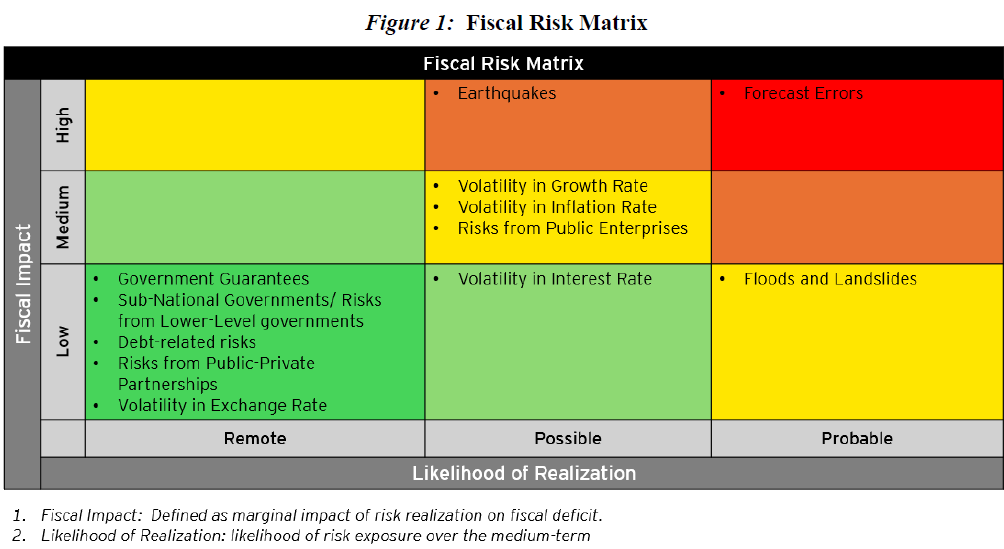
The report identifies 11 key financial risks grouped into three major categories: macroeconomic risks, specific risks, and institutional risks. It also presents 21 targeted strategies aimed at reducing these risks and strengthening Nepal’s fiscal stability.
The ministry ranked macroeconomic risks as the top concern, pointing out that fluctuations in GDP can significantly impact government revenue, expenditure, and debt levels. Persistent inflationary pressure is weakening purchasing power and increasing public spending obligations.
Interest rate volatility was also flagged, which affects debt servicing costs, alongside exchange rate instability impacting foreign debt repayments and import expenses. Although government debt is increasing compared to revenue collection, the debt-to-GDP ratio currently poses a relatively low risk for Nepal.
Natural disasters such as earthquakes, floods, and landslides remain significant financial risks due to their recurring and devastating impact on the economy. The ministry classified these among the specific risks, along with government guarantees that could lead to contingent liabilities if public institutions fail to perform efficiently.
The report points to institutional risks arising from forecasting errors in fiscal and monetary policy. Nepal’s government has historically been overly optimistic in revenue projections and budgeting, leading to implementation challenges.
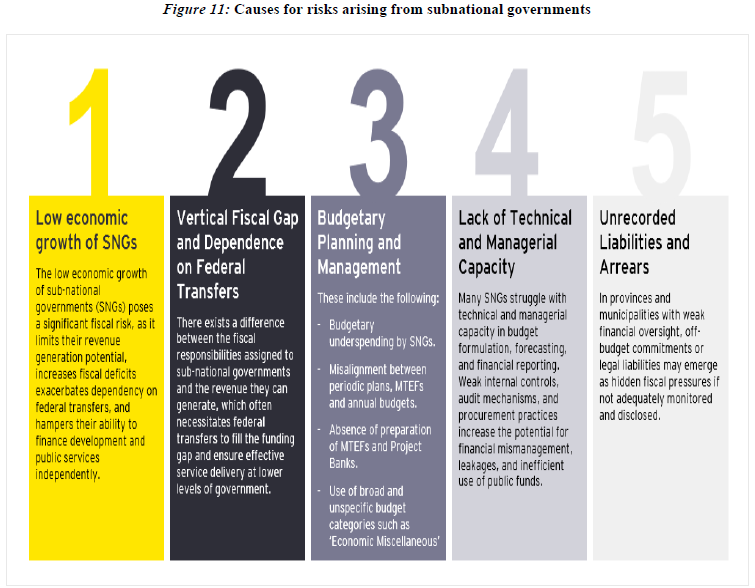
Weak financial controls at provincial and local government levels, heavy reliance on federal transfers, and poor monitoring of financial liabilities further exacerbate fiscal vulnerabilities.
To address macroeconomic risks, the government plans to implement a flexible monetary policy aimed at balancing inflation and financial stability. The Nepal Rastra Bank will adopt prudent monetary measures as a first step.
Public debt will be managed by limiting domestic borrowing to 5.5% of GDP and prioritizing concessional foreign loans. Tax base expansion, efficient tax exemptions, and improved compliance are targeted to boost domestic revenue.
Medium-term expenditure frameworks will prioritize capital development, social security, and essential services, while fiscal buffers and stabilization funds will be established to prepare for economic shocks.
For disaster-related risks, the government proposes developing an early warning system, dedicated multi-tiered disaster funds at federal, provincial, and local levels, and using insurance mechanisms for risk financing.
At the institutional level, the ministry aims to strengthen financial monitoring, standardize reporting, improve public debt management, and enhance transparency and accountability across government tiers.
Public institutions facing financial deficits will undergo restructuring, including adopting public-private partnerships (PPPs) and strategic equity partnerships to improve efficiency.
The government will also cap public guarantees at 1% of GDP, institute risk assessment frameworks before approving guarantees, and allocate funds to cover contingent liabilities.
The report stresses that these strategies will enhance Nepal’s fiscal resilience, transparency, and economic stability amid growing financial uncertainties. The Ministry of Finance underscored the importance of rigorous monitoring, prudent financial governance, and institutional reforms as pillars of sustainable fiscal management.
With growing external and internal risks, Nepal aims to navigate financial challenges through these comprehensive risk management measures, securing a stable economic future for the country.






Comment