




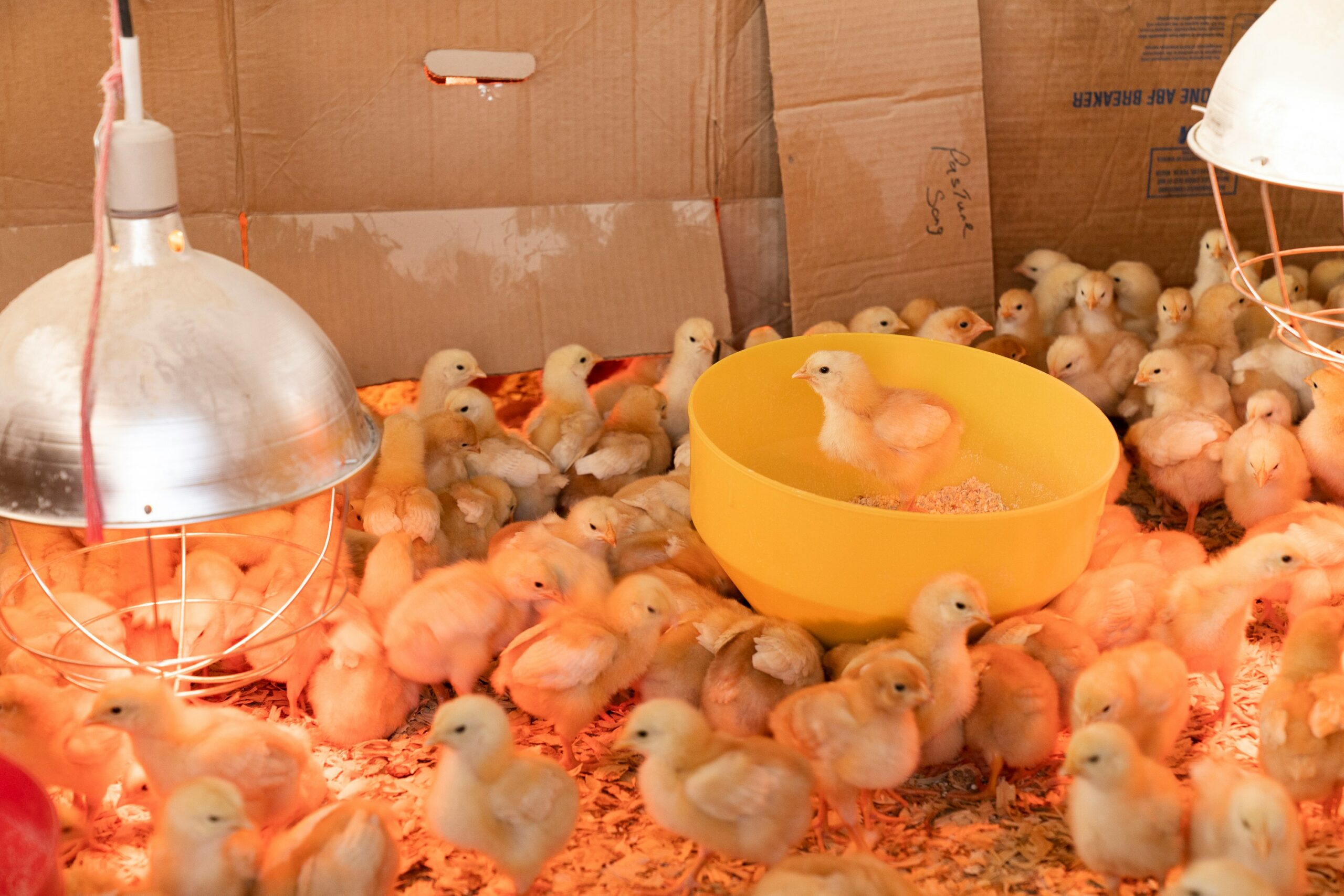
KATHMANDU: Nepal’s poultry hatchery industry is facing a severe crisis, with businesses forced to sell chicks at prices far below production cost or, in some cases, unable to sell them at all. The problem stems from a steep decline in demand and a glut in chick production, particularly in commercial hatcheries raising the Corleone breed.
Hatchery owners report that it costs around Rs 55 to raise a single chick to marketable age. However, over the past two months, many have been compelled to sell them for just Rs 15–20 each, incurring significant losses. Some hatcheries have not been able to find buyers at all.
According to Tikaram Pokharel, Vice President of the Nepal Poultry Federation, hatchery operators are now compelled to rely heavily on bank loans just to continue operations, as they are consistently selling below cost. He attributes the price crash to a combination of oversupply, falling chicken meat prices, and cheaper Indian imports.
The weekly production of broiler chicks, previously around 2.5 million, has now soared to over 3.5 million. Meanwhile, unrestricted inflows of chicks from across the Indian border are compounding the problem, undercutting local hatchery prices even further.
Rajendra Lamichhane, Senior Vice President of the Nepal Hatchery Industry Association, explained that most chicks currently being raised are expected to be ready for meat production by mid-July (the Nepali month of Shrawan), a period typically marked by low meat consumption. This seasonal decline, along with extreme summer heat, the planting season, and heightened disease risk, has made farmers hesitant to rear new flocks—further weakening demand.
Layer chicks, which cost around Rs 130 to produce, are also being sold at a loss—at approximately Rs 100 per chick. Despite low demand, hatcheries must continue regular production because of the biological cycle: eggs incubated 21 days ago must be hatched, whether or not there are buyers.
Currently, Nepal has 118 hatcheries producing broiler chicks and 6 producing layer chicks. Before the COVID-19 pandemic, the country had 348 operational broiler hatcheries and 14 layer hatcheries. Back then, weekly broiler chick production reached up to 5.5 million. However, layer chick output has now dropped to 130,000 per week from a pre-pandemic level of 250,000.
The situation has put intense financial pressure on hatchery operators and poultry farmers alike. Rising costs for feed and medication, increasing loan interest rates, declining chicken meat prices, and an unchecked flow of cheaper Indian chicks have all contributed to the displacement of Nepal’s poultry entrepreneurs and a looming threat to the industry’s sustainability.






Comment