




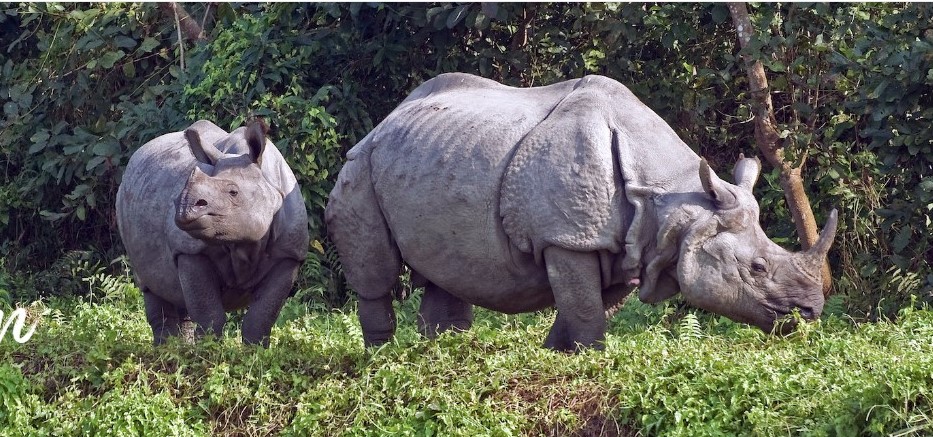
KATHMANDU: The Department of National Parks and Wildlife Conservation (DNPWC) is preparing to conduct the long-awaited one-horned rhino census this year using a genetic (DNA-based) method. Last year, the census was halted due to budget constraints.
The department, which carries out rhino censuses every four years, is also planning a tiger census this year. Officials said the rhino survey will adopt a new method, different from previous surveys, after the tiger count is completed. A technical committee meeting under the department decided to develop a protocol for conducting the census using genetic sampling.
Hari Bhadra Acharya, senior ecologist and chair of the technical committee, said the protocol will be ready within a few days and will be discussed in an upcoming meeting. He said using the genetic method will provide more scientific and long-term reliable results. “In Nepal, this method has so far been used only for snow leopards,” he added.
Highlighting international practice, Acharya said elephants were recently counted in India using the same method. Compared to traditional approaches, the genetic method is safer and less expensive. Earlier censuses relied on dividing the area into blocks and direct observation, which is costly and risky.
During the 2021 rhino census, the process cost nearly Rs 30 million. One technician was seriously injured after falling from an elephant during the count, which lasted about three weeks and required a large team and multiple vehicles. Acharya said the genetic method, which involves collecting rhino dung and conducting DNA tests in laboratories, is scientifically recognized and more accurate than previous methods.
The upcoming tiger census will cover Parsa, Chitwan, Banke, Bardiya, and Shuklaphanta national parks. The rhino census will follow, with Chitwan, Parsa, Shuklaphanta, and Koshi Tappu national parks included. The previous tiger census in 2022 recorded 335 tigers in Nepal: 128 in Chitwan, 125 in Bardiya, 25 in Banke, 41 in Parsa, and 36 in Shuklaphanta.
The 2021 rhino census recorded 752 rhinos across Nepal’s national parks and conservation areas. The species’ population had dropped to around 100 in the 1960s, while estimates suggest there were about 800 rhinos in Nepal in the 1950s. In the 2021 survey, Chitwan alone had 694 rhinos, Bardiya increased from 29 to 38, and Shuklaphanta had 18.
Officials said the genetic method will help ensure safer, more accurate, and cost-effective wildlife monitoring, marking a significant step in Nepal’s conservation efforts.






Comment