




KATHMANDU: Nationwide protests organized by the Gen-Z group have significantly affected political, economic, social, educational, and health sectors across Nepal.
The demonstrations, which began in Kathmandu two days ago, have now spread nationwide, putting immense pressure on hospitals and healthcare facilities.
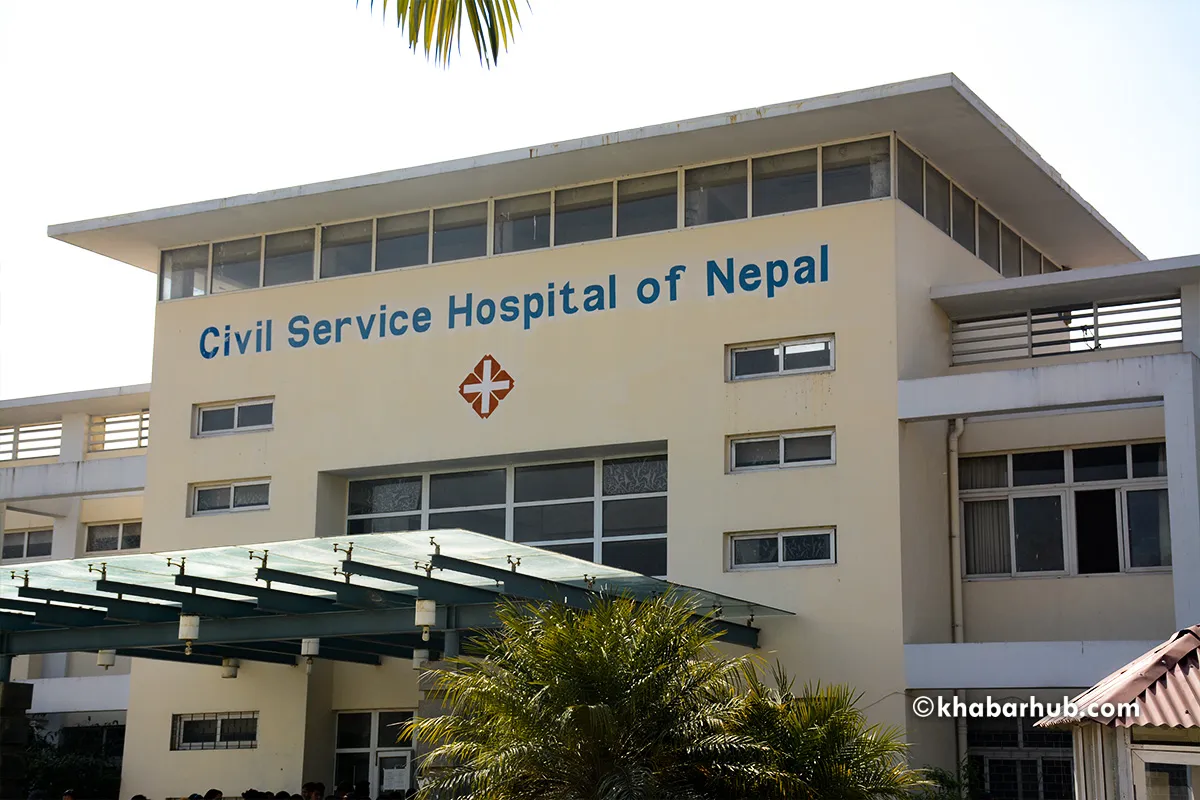
At Civil Hospital in Minbhawan, the surge of patients injured during the protests has overwhelmed staff, forcing the temporary suspension of non-emergency services.
“Resources are limited, and managing personnel is extremely challenging. Doctors and nurses are working double shifts, but OPD and OT services are currently suspended,” said Director Dr. Mohan Chandra Regmi. Currently, 46 injured patients are receiving treatment at the hospital.
Tribhuvan University Teaching Hospital is prioritizing treatment for protest-related injuries, according to Director Dr. Suwas Acharya.
“Emergency and referred patients are still being treated, and OPD services continue, but many patients cannot reach the hospital due to the unrest. Our staff remain on duty round the clock, unable to go home,” he said. At present, 53 injured patients are under treatment at the hospital. Dr. Acharya added that while regular OPD services are running, major surgeries are temporarily halted and will resume once transportation and security normalize.
The National Trauma Center is currently treating 40 injured patients, with four in ICU following surgery. “The situation is stable, but one ambulance has been vandalized. Bringing in doctors and nurses remains a challenge, yet we are continuing treatment despite limited resources,” said Director Dr. Badri Rijal.
Meanwhile, Paropakar Maternity and Women’s Hospital continues 24-hour services. Director Dr. Shriprasad Adhikari confirmed, “OPD and emergency services are fully operational. Paid services have been temporarily suspended, but we are committed to maintaining uninterrupted healthcare.”
Healthcare officials highlight the critical need for safe access to hospitals during the unrest and urge authorities to facilitate patient movement to ensure continued care.





Comment