




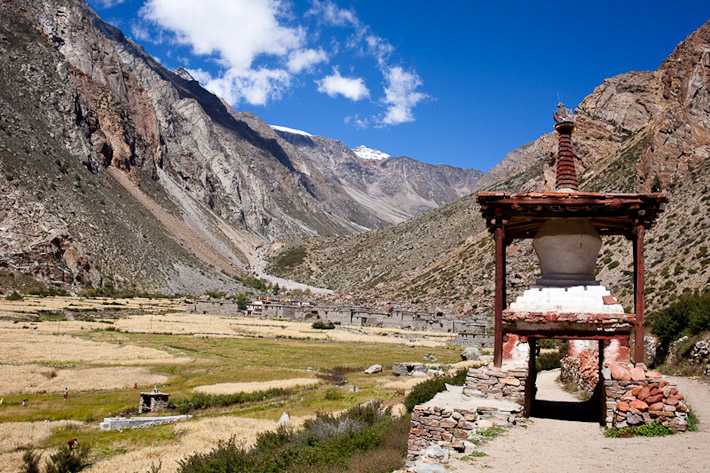
HUMLA: The number of foreign pilgrims visiting the sacred Hindu pilgrimage sites of Mansarovar and Mount Kailash via Humla has seen a notable rise, following the re-opening of the Hilsa border crossing between Nepal and China on May 1, 2025.
From May to August, a total of 5,842 foreign tourists—including pilgrims from India and other countries—have arrived in Humla via Nepalgunj en route to Mansarovar and Kailash.
Among them, 5,517 were Indian nationals, while 325 came from other countries, according to Deputy Superintendent of Police Shankar Pokharel at the District Police Office.
Authorities expect the number of visitors to increase further in the coming months, as the Humla route is considered shorter and more accessible for pilgrims.
Simkot Airport has witnessed a significant rise in passenger traffic, particularly from Indian pilgrims, since the resumption of cross-border movement at Hilsa.
Dipendra Bhandari, a staff member at Simkot Airport, noted, “This is the largest influx of pilgrims to Humla for the Kailash Mansarovar Yatra since the COVID-19 pandemic. The majority of visitors are Indian nationals taking advantage of the reopened border.”
When weather conditions are favorable, five to ten flights operate daily between Nepalgunj and Simkot, with airlines such as Sita Air, Summit Air, and Tara Air providing regular services.
Additionally, helicopter flights are transporting pilgrims from Simkot to Hilsa, offering a quicker route to the Chinese border.
According to Ram Bahadur Bhandari, Chairperson of the Humla Chamber of Commerce and Industry, the surge in pilgrim traffic began in late Jestha. Some tourists continue their journey from Hilsa to Mansarovar by road vehicles.
“Hotels in Hilsa and in the district headquarters, Simkot, have been fully booked for the past four months,” Bhandari said.
The increase in tourist arrivals has also generated local revenue. Both Simkot and Namkha Rural Municipalities have been collecting entrance fees from foreign tourists. The fee has been set at Rs 1,100 per Indian visitor and Rs 1,500 for other international tourists.
Local authorities and tourism entrepreneurs hope that with improved infrastructure, consistent air services, and continued cross-border cooperation, Humla could further establish itself as a major gateway for religious tourism in the Himalayan region.






Comment